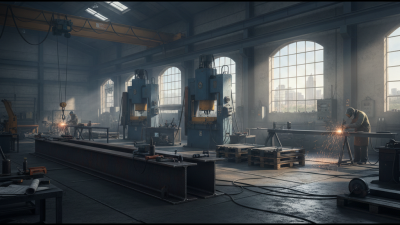
Top 10 Online Fabrication Services for Global Buyers
Global buyers now expect prototypes and production parts to move as easily as digital files. Online fabrication makes that possible by connecting designers with CNC machining, 3D printing, sheet-metal, and molding suppliers. A CAD upload can become a quoted part within hours, not weeks. Yet speed alone is not enough. Material traceability, dimensional accuracy, quality inspection, and export documentation still shape the real buying experience.
The Wohlers Report 2024 valued the global additive manufacturing industry at approximately $20.0 billion in 2023, after reporting 13.5% growth. That figure signals strong demand for digital production, but it does not represent every fabrication method. Deloitte’s 2024 Manufacturing Industry Outlook also highlights connected operations, resilient supply chains, and technology investment as major manufacturing priorities. These findings support a practical question: which platforms can deliver reliable results across borders?
This guide reviews ten online fabrication services for global buyers. The comparison considers manufacturing capabilities, material choices, minimum order policies, instant quoting, inspection systems, lead times, shipping reach, and customer support. Supplier certifications matter. So do clear tolerances and realistic delivery promises. A polished website proves little by itself. Factory capacity can change. Pricing can shift.
That is the uncomfortable part.
No ranking remains perfect for every project. A service that suits a five-piece aluminum prototype may fail a regulated, high-volume order. Buyers should verify drawings, tolerances, finishes, payment terms, and local import requirements before production. The shortlist is designed as a research starting point, not a substitute for technical review. In fabrication, small assumptions can become expensive metal.

What Online Fabrication Services Are and How They Work
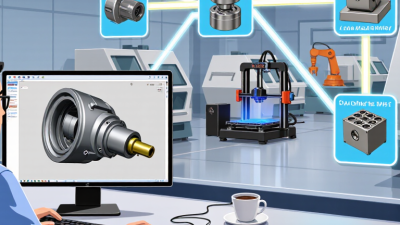
Online fabrication services connect a digital design with physical production. A buyer uploads a CAD file, selects a material, and requests tolerances, surface finishes, and quantities. The platform then checks manufacturability, calculates pricing, and matches the order with suitable production capacity.
The workflow is practical, but not effortless. Automated design-for-manufacturing checks may flag thin walls, sharp internal corners, or inaccessible drilling areas. Engineers often review these issues before production. After approval, machining, sheet forming, injection molding, or additive manufacturing begins. Inspection reports, material certificates, and shipment tracking can support purchasing decisions across borders.
Speed is a major reason for using this model.
The 2024 Wohlers Report valued the global additive manufacturing industry at about 20 billion dollars in 2023, showing strong demand for digital production. Gartner’s research on digital supply chains also emphasizes real-time visibility as a key improvement area. Yet online quoting is not always exact. Material availability, exchange rates, customs procedures, and fixture requirements can change the final cost.
A careful buyer should compare the quoted tolerance with the drawing, not only the headline price. Ask how measurements are recorded. Confirm whether production samples are retained. Small details matter. A two-day estimate may become a week when inspection or shipping is included. That gap deserves honest attention.
Top 10 Online Fabrication Services for Global Buyers
Online fabrication services give global buyers access to CNC machining, sheet metal work, 3D printing, and small-batch production. A reliable platform should accept clear CAD files, material specifications, surface finishes, and tolerance requirements. Buyers can upload a drawing and request pricing from suppliers in different regions. The best systems show lead times, production capacity, inspection options, and shipping terms before payment.
Practical sourcing requires more than comparing the lowest quote. A machined aluminum part may look simple, yet a 0.02 mm tolerance can change its price significantly. Ask for a design-for-manufacturing review before production begins. Request material certificates, dimensional reports, and photos from the inspection stage. These details help confirm whether the finished part matches the approved drawing. Communication also matters. A supplier that answers technical questions clearly is easier to manage across time zones.
Small prototypes reduce risk.
Global buyers should verify packaging, customs documents, taxes, and delivery responsibilities. Local regulations may affect materials, labeling, or product use, so professional legal advice can be necessary. I have seen projects slow down because a buyer forgot to specify thread standards or hole depths. That mistake is easy to prevent, but not always caught early. Online fabrication is efficient, although it is not completely automatic. Careful drawings, realistic tolerances, and documented approvals still shape the final result.
How to Select the Right Service for Your Project
Selecting an online fabrication service is less about finding the lowest quote and more about matching capabilities to project risks. Compare several services by checking their equipment, materials, tolerances, and production limits. A provider experienced with thin aluminum may not handle complex stainless-steel assemblies well. Ask for recent sample photos and detailed inspection records.
Clear communication matters across borders. Confirm whether drawings use metric or imperial dimensions. Request a written review of critical features, surface finishes, thread specifications, and acceptable deviations. Reliable providers should explain their quality process without vague promises. Material certificates, dimensional reports, and controlled packaging can prevent expensive surprises during customs clearance or final assembly.
Do not judge quality from a polished website alone. Send a small prototype before approving a large production run. Check edge quality, hole alignment, coating consistency, and packaging condition when it arrives. I once treated delivery speed as the main priority; the parts arrived quickly but needed extra finishing. That mistake changed my evaluation process. Now I also compare response time, engineering questions, revision handling, and warranty terms. Some services appear highly capable but struggle with unclear drawings. Your own documentation may need improvement, too. A practical service should identify those gaps early, suggest workable adjustments, and provide traceable updates from quotation to shipment.
Ordering, Quality Control, Shipping, and After-Sales Support
When comparing the top 10 online fabrication services, global buyers should inspect more than instant quotations. Ordering must show material grade, tolerances, surface finish, inspection options, and production capacity. Requesting a sample part can expose unclear drawings or weak process control. The ISO Survey 2023 recorded over 1.26 million ISO 9001 certificates worldwide. Certification helps, but it never replaces an actual inspection report.
Quality control should include dimensional records, photos, and traceability for each batch. Ask who performs final inspection and which instruments they use. Shipping also deserves careful review. UNCTAD’s Review of Maritime Transport 2024 states that ships carry over 80% of world merchandise trade. Delays can still occur through port congestion, customs checks, or poor packaging. A reliable service should provide export documents, protective packing details, and realistic delivery windows. “Fast shipping” is not a quality standard.
Tips: Confirm Incoterms before payment. Compare total landed cost, not unit price. Request a pre-shipment video for complex parts. Clarify who pays for rework, damage, or dimensional failures. After-sales support should offer a named contact, response time, and corrective-action process. Keep every drawing revision in writing. I have seen projects fail because a buyer approved a quote but missed a tolerance change. That mistake is avoidable, though not always quickly. The World Bank’s Logistics Performance Index 2023 also shows that tracking, customs efficiency, and delivery reliability vary widely between markets. Suppliers should be judged by evidence, not polished dashboards.
This anonymized benchmark compares ten online fabrication service profiles across ordering convenience, quality control, shipping transparency, and after-sales support. Scores are normalized on a 100-point scale from publicly stated service capabilities and standard buyer evaluation criteria; no company or brand data is displayed.