Projects

What Is Online Fabrication and How Does It Work?

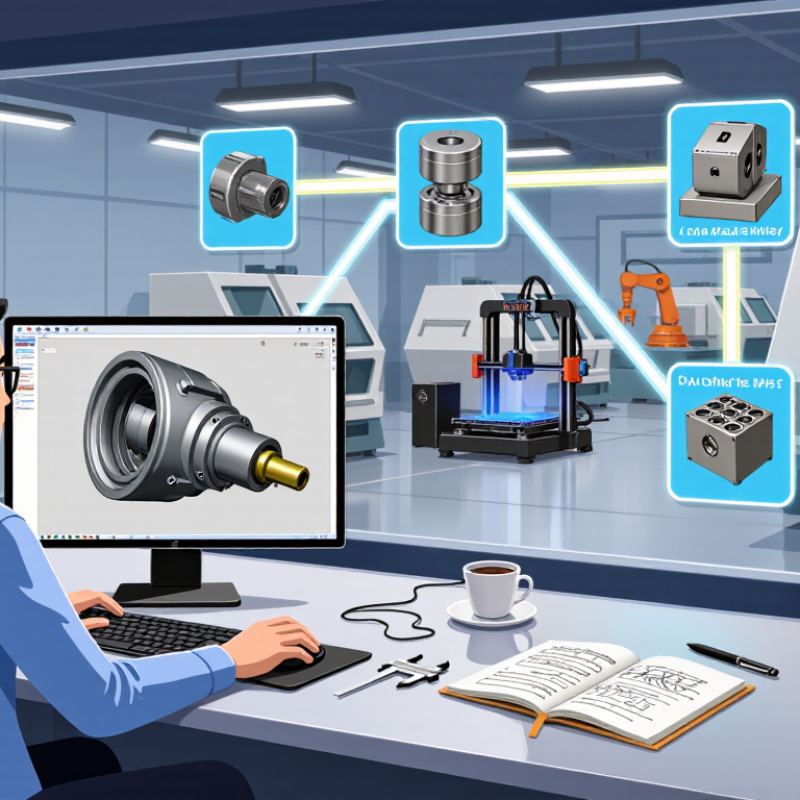
Online fabrication is changing how products move from a digital file to a physical part. A designer uploads a CAD model, selects material and tolerances, and receives a manufacturability review. The platform then matches the order with suitable CNC, 3D printing, sheet metal, or injection molding equipment. Pricing often appears within minutes. Production may happen hundreds of miles away.

The scale is significant. Wohlers Report 2024 valued the global additive manufacturing industry at $20.035 billion in 2023, following 13.5% growth. Its findings show stronger adoption across aerospace, medical, automotive, and industrial applications. Protolabs’ 2024 State of 3D Printing report also indicates that companies use additive manufacturing beyond prototypes. Many now test low-volume production and customized components. These figures suggest online fabrication is becoming an operational tool, not merely a convenient ordering website.

The process still requires judgment. A thin wall can warp. An incorrect alloy can weaken a load-bearing bracket. Surface finish may differ from the screen preview. Reliable providers therefore show inspection methods, material certificates, lead times, and tolerance data. ISO 9001 certification can support quality control, but it does not guarantee every part will be perfect. That distinction matters. Online fabrication improves access, speed, and supplier comparison, yet engineers must verify critical dimensions after delivery. The technology feels almost automatic. It is not. Understanding design rules, production limits, and inspection evidence remains essential for making responsible decisions.

What Is Online Fabrication and How Does It Work?

Definition and Scope of Online Fabrication

What Is Online Fabrication and How Does It Work?

Definition and Scope of Online Fabrication

Online fabrication is the process of ordering physical parts through a digital platform. A customer uploads a computer-aided design file, selects materials, and requests a quotation. The service provider then reviews the file, checks production limits, and manufactures the part remotely. Delivery follows after quality inspection.

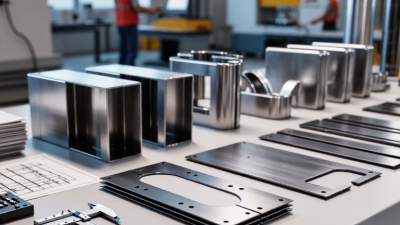
Its scope covers prototypes, replacement components, product samples, and small production runs. Common methods include computer numerical control machining, three-dimensional printing, laser cutting, and sheet-metal forming. Each method suits different shapes, materials, tolerances, and quantities. For example, a small aluminum bracket may require machining, while a lightweight plastic enclosure may suit additive production.

Details matter greatly.

A reliable process records material grades, surface requirements, dimensions, and acceptable tolerances. It may also provide technical drawings and inspection reports. From practical design work, unclear edges or missing measurements often cause delays. Online tools can identify some problems, but they cannot understand every functional requirement. That limitation deserves attention. Engineers still need to review load conditions, assembly fit, heat exposure, and final use. Secure file handling also matters, especially when designs contain confidential information. Online fabrication is therefore more than clicking an order button. It connects digital design, manufacturing expertise, quality control, and logistics within one traceable workflow.
Key Technologies Behind Digital Manufacturing

What Is Online Fabrication and How Does It Work?

Key Technologies Behind Digital Manufacturing

Online fabrication connects digital design with physical production. A customer uploads a CAD file through a web-based platform. The system checks dimensions, material choices, wall thickness, and possible production risks. This early review can reveal weak corners or unsupported areas. Not every file passes smoothly.

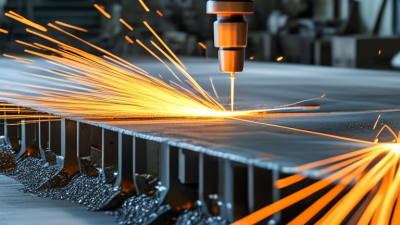
CAD models define the object’s shape and measurements. CAM software converts that design into machine instructions. CNC machines then cut, drill, or mill solid materials with controlled movement. Additive manufacturing builds parts layer by layer from digital data. Laser cutting follows precise paths across sheets of metal, wood, or plastic. These technologies reduce setup time and support customized production.

Cloud platforms manage quotes, file revisions, and production status. Connected sensors can monitor temperature, vibration, tool wear, and machine performance. Operators use this information to maintain consistency. Quality checks may include visual inspection, dimensional measurement, and surface testing. Digital records also improve traceability when a part needs adjustment.

However, automation is not flawless. A warped sheet, incorrect material setting, or damaged tool can affect the final result. Software may flag a design, but experienced technicians still need to judge practical risks. I find this human review easy to underestimate. Small design changes can improve strength, reduce waste, and simplify assembly. The workflow remains digital, yet reliable fabrication depends on both accurate data and careful decisions.

How an Online Fabrication Order Is Completed

An online fabrication order begins with a digital design, usually a CAD file, and ends with a finished part at your door. The process looks simple. It is not always simple.

You upload the file and select the material, quantity, surface finish, and required tolerances. The platform checks basic geometry and generates an instant estimate. That estimate may change after a technical review. Thin walls, sharp internal corners, or difficult setups can increase the price. A fabricator then confirms manufacturability, lead time, and production details. After approval, the order enters machining, cutting, forming, or additive production. Operators monitor the work, while inspection tools check key dimensions. The part is packed and shipped after quality records are completed. I still recheck every drawing before ordering. Online previews can miss practical problems. A small assumption can create costly rework.

Tips: Define critical dimensions clearly. Mark surfaces that need special finishes. Upload the correct file version. Ask how measurements will be verified. Keep communication records for design changes. A physical prototype can reveal issues that software overlooks. Do not rely on the lowest quote alone. Delivery speed, inspection depth, and material traceability also matter. Even experienced engineers occasionally miss a tolerance conflict. Review the design again.

Materials, Design Files, and Production Options

What Is Online Fabrication and How Does It Work?

Materials, Design Files, and Production Options

Online fabrication connects digital designs with real manufacturing equipment. A customer uploads a CAD file, selects a material, and requests a quote. The service reviews dimensions, tolerances, and production risks before manufacturing begins. Material choice affects strength, weight, surface finish, and cost. For example, aluminum suits lightweight structural parts, while engineering plastics may work better for insulation or low-friction components.

Measure twice.

Design files need clear units, accurate dimensions, and suitable geometry. Common formats include STEP, STL, DXF, and DWG. A watertight model is important for many 3D printing processes. I have seen small omissions, such as missing wall thickness, delay production.

That detail matters.

Design software can flag some problems, but it cannot understand every practical requirement.

Production options depend on quantity and function. A prototype may use 3D printing for quick testing. Small batches can use CNC machining, sheet metal forming, or laser cutting. Larger runs may require molding or dedicated tooling. Some manufacturers offer finishing, inspection reports, and assembly services.

However, cheaper production is not always better. A thin wall may reduce cost but create weak edges. Ask about tolerances, lead times, and inspection methods before approving the order.

Benefits, Limitations, and Common Applications

What Is Online Fabrication and How Does It Work?

Online fabrication connects a digital design with remote manufacturing equipment. A user uploads a CAD file, selects material and quantity, then receives an automated quotation. Engineers may review tolerances, wall thickness, and finishing requirements before production. The part is then machined, printed, cut, or formed and shipped.

Its main benefit is speed. Digital quotations can arrive within minutes, while production may take several days. This supports rapid prototypes, custom brackets, low-volume enclosures, replacement components, and production jigs. The Wohlers Report 2024 valued the global additive manufacturing industry at approximately 20.035 billion dollars in 2023, showing strong demand for digital production. Online access also reduces tooling costs for small batches. Useful, but not magical.

Limitations remain important. Automated pricing can misunderstand complex geometries, tight tolerances, or unusual surface finishes. Material choices may also be narrower than those available from a local specialist. The final component can differ slightly from the screen model because of thermal movement, tool access, layer direction, or post-processing. ISO 2768 guidance helps define general tolerances, but it cannot replace application-specific inspection. A 2023 industry survey by the International Data Corporation reported continuing concerns about supply-chain resilience and manufacturing integration. That matters when urgent parts depend on shipping. The first design is often only a test. Careful engineers request samples, inspect critical dimensions, and revise the file before larger production runs.