
10 Best Online Fabrication Services for Global Buyers?
Choosing a reliable fabrication partner can feel harder than comparing prices on a spreadsheet. Global buyers must evaluate materials, tolerances, production capacity, communication, and delivery risks. A polished website does not always reflect consistent workshop performance.
This guide examines 10 Best Online Fabrication Services for Global Buyers, focusing on practical evidence rather than marketing claims. Each provider is considered through capabilities such as CNC machining, sheet metal work, 3D printing, welding, finishing, and assembly. We also examine quotation speed, design-for-manufacturing feedback, sample approval, quality inspection, and international shipping support. These details matter when a prototype must arrive with clean edges, accurate holes, and packaging strong enough for a long journey.
Reliable online fabrication should make technical decisions clearer, not more confusing. Buyers should check material certificates, dimensional reports, surface-finish options, and documented quality procedures before placing larger orders. Clear drawings still matter. So does human communication. A responsive engineer may prevent an expensive mistake before production begins.
No ranking is perfect. Different industries need different strengths, and service quality can change by region, project size, or material availability. That limitation deserves attention. Pricing can also hide tooling fees, customs charges, or revision costs. We compare the visible offer and the practical buying experience, while recognizing that independent verification remains essential. The goal is not to name one universal winner. It is to help manufacturers, product teams, and purchasing managers make safer, more informed choices across borders.
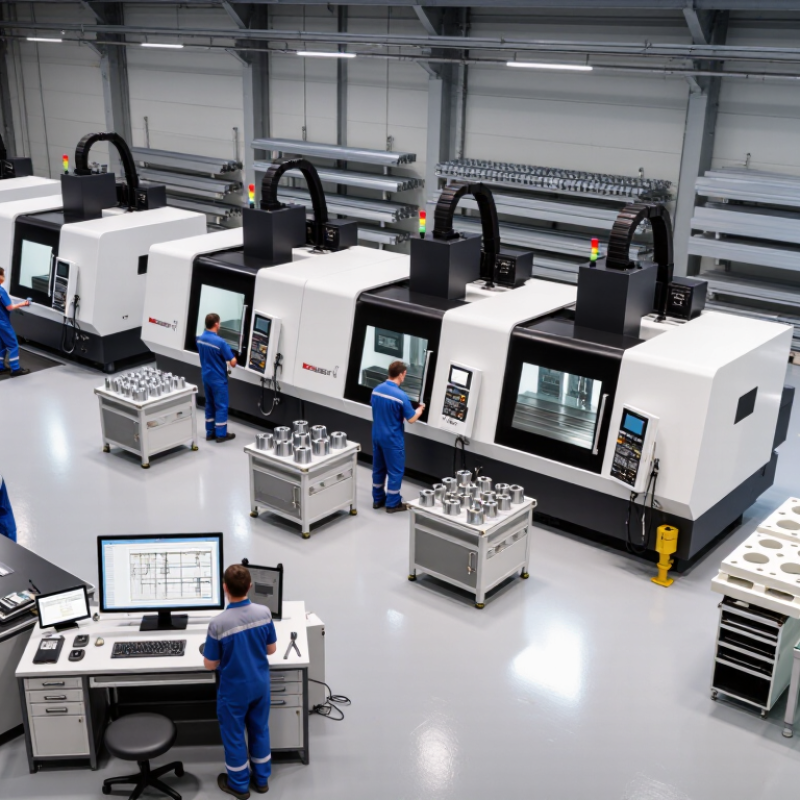
What Online Fabrication Services Provide for Global Buyers
Online fabrication services give global buyers access to practical production support without visiting a factory. They can review CAD files, recommend manufacturable designs, and produce prototypes or small batches. Common options include CNC machining, sheet metal forming, injection molding, and additive manufacturing. Reliable providers usually offer material certificates, dimensional inspection, surface finishing, and production samples. These details matter when a part must fit tightly beside an imported component.
Clear communication is equally valuable. Buyers may receive digital quotations, lead-time estimates, shipping documents, and progress photos. Some services support different time zones and languages, which reduces costly misunderstandings. Secure file handling and written approval steps also help protect product information. However, no online service is perfect. A polished quotation can still hide tolerance limits or packaging weaknesses. Buyers should ask direct questions and request evidence, not promises.
Tips: Upload complete drawings and state critical dimensions clearly. Confirm material grades, inspection methods, packaging, and delivery terms before payment. Ask for a sample when appearance or fit is important. Compare several quotes, but do not choose by price alone. A cheaper batch may need extra finishing or rework. Keep communication in writing. Small details often decide whether international production feels smooth or frustrating.
10 Best Online Fabrication Services for Global Buyers? - What Online Fabrication Services Provide for Global Buyers
| Service Category | Best Suited For | Common Processes | Typical Materials | Typical Lead Time | Typical Accuracy | Typical Order Volume | Useful Global-Buyer Features |
|---|---|---|---|---|---|---|---|
| 1. CNC Machining | Functional metal and plastic components | Milling, turning, drilling, tapping | Aluminum, steel, stainless steel, brass, engineering plastics | Approximately 5–20 business days | About ±0.01–0.05 mm | 1–1,000+ pieces | Online quotations, material certificates, dimensional inspection, export shipping |
| 2. Sheet Metal Fabrication | Enclosures, brackets, panels, and frames | Laser cutting, bending, punching, welding | Mild steel, stainless steel, aluminum, galvanized steel | Approximately 5–15 business days | About ±0.10–0.50 mm | 1–5,000+ pieces | Flat-pattern review, surface-finishing options, production photographs, international freight |
| 3. 3D Printing | Rapid prototypes and complex low-volume parts | FDM, SLA, SLS, selective laser melting | PLA, ABS, nylon, resin, TPU, aluminum, stainless steel | Approximately 2–10 business days | About ±0.10–0.30 mm, depending on process and size | 1–500 pieces | Instant design checks, build-orientation advice, prototype finishing, small-parcel delivery |
| 4. Injection Molding | Repeatable plastic production at medium to high volumes | Prototype tooling, production tooling, insert molding | ABS, PP, PC, nylon, POM, TPU, glass-filled polymers | Tooling: approximately 3–8 weeks; parts: 1–4 weeks | About ±0.05–0.20 mm | 100–1,000,000+ pieces | DFM feedback, mold-flow review, sample approval, tool ownership terms, quality reports |
| 5. Die Casting | High-volume lightweight metal housings and structural parts | Hot-chamber and cold-chamber die casting, trimming, machining | Aluminum, zinc, magnesium alloys | Approximately 4–10 weeks including tooling | About ±0.05–0.20 mm | 1,000–1,000,000+ pieces | Tooling amortization, alloy documentation, leak testing, export packaging |
| 6. Metal Forging | High-strength components exposed to impact or fatigue | Open-die forging, closed-die forging, heat treatment | Carbon steel, alloy steel, stainless steel, aluminum, titanium | Approximately 4–12 weeks | About ±0.50–2.00 mm before finish machining | 50–100,000+ pieces | Heat-treatment records, material traceability, non-destructive testing, export documentation |
| 7. Vacuum Casting | Small batches of appearance and functional prototypes | Silicone molding, polyurethane casting, color matching | Polyurethane resins, elastomers, flame-retardant resins | Approximately 7–20 business days | About ±0.15–0.30 mm | 5–100 pieces | Color samples, texture selection, visual inspection, prototype consolidation for shipping |
| 8. Extrusion Services | Long profiles, rails, frames, heat sinks, and tubes | Aluminum extrusion, cutting, drilling, CNC finishing | Aluminum alloys, PVC, ABS, copper alloys | Approximately 3–8 weeks including die preparation | About ±0.10–0.50 mm | 100–100,000+ meters or pieces | Profile feasibility review, die-cost quotation, anodizing or powder coating, cut-to-length service |
| 9. Laser Cutting and Engraving | Flat parts, signage, labels, decorative panels, and thin components | Fiber laser cutting, CO₂ laser cutting, marking, engraving | Sheet metal, acrylic, wood, leather, coated materials | Approximately 2–10 business days | About ±0.05–0.20 mm, depending on thickness | 1–10,000+ pieces | File-format validation, thickness guidance, batch nesting, international courier delivery |
| 10. Welding and Assembly | Frames, cabinets, welded structures, and ready-to-install assemblies | MIG, TIG, spot welding, riveting, mechanical assembly | Carbon steel, stainless steel, aluminum, fasteners, purchased components | Approximately 7–25 business days | About ±0.50–1.50 mm for fabricated assemblies | 1–5,000+ assemblies | Assembly instructions, weld inspection, functional testing, custom packaging, consolidated freight |
Related Posts
-
What Is Online Fabrication and How Does It Work?
-
Top China Online Steel Fabrication Suppliers?
-
10 Essential Tips for Successful Online Fabrication Projects
-

Top Online Fabrication Techniques for Innovative Manufacturing Solutions?
-
Top 10 Tips for Successful Online Sheet Metal Fabrication Projects
-
Top 10 Important Factors to Consider in Iron Fabrication Projects