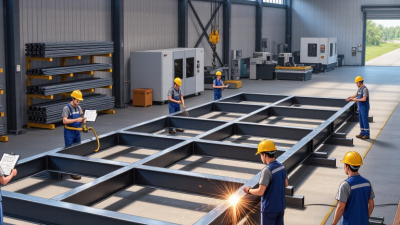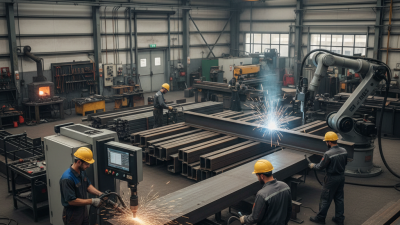
Online steel fabrication brings a traditional workshop into a digital, measurable environment. Customers upload drawings, specifications, or three-dimensional CAD files through an online platform. Fabricators then review dimensions, material grades, tolerances, weld details, and production requirements before preparing a quotation. The process may include laser cutting, CNC drilling, bending, welding, surface treatment, and delivery.
It sounds simple. It is not.
A small mistake in a hole location can delay an entire installation. A missing tolerance can create confusion between design and production teams. Experienced fabricators therefore combine software with human review. Automated systems improve speed, but skilled engineers still question unclear geometry and unrealistic requirements.
Charles J. Carter, SE, PE, PhD, President of the American Institute of Steel Construction, has repeatedly emphasized the importance of designing and building steel structures with quality in mind. His practical message can be expressed clearly: “Quality must be built into the process, not inspected in afterward.”
That principle explains the value of reliable online steel fabrication. A trustworthy provider should show material certifications, machine capabilities, inspection procedures, and clear communication standards. Customers should also confirm whether the quoted price includes finishing, packaging, freight, and revision support.
The technology is impressive. Still, it is not magic.
A digital platform cannot fully understand an ambiguous drawing or a difficult site condition. The best results come from accurate files, realistic specifications, experienced review, and open communication. This guide explains how online steel fabrication works, where it saves time, and where careful human judgment remains essential.
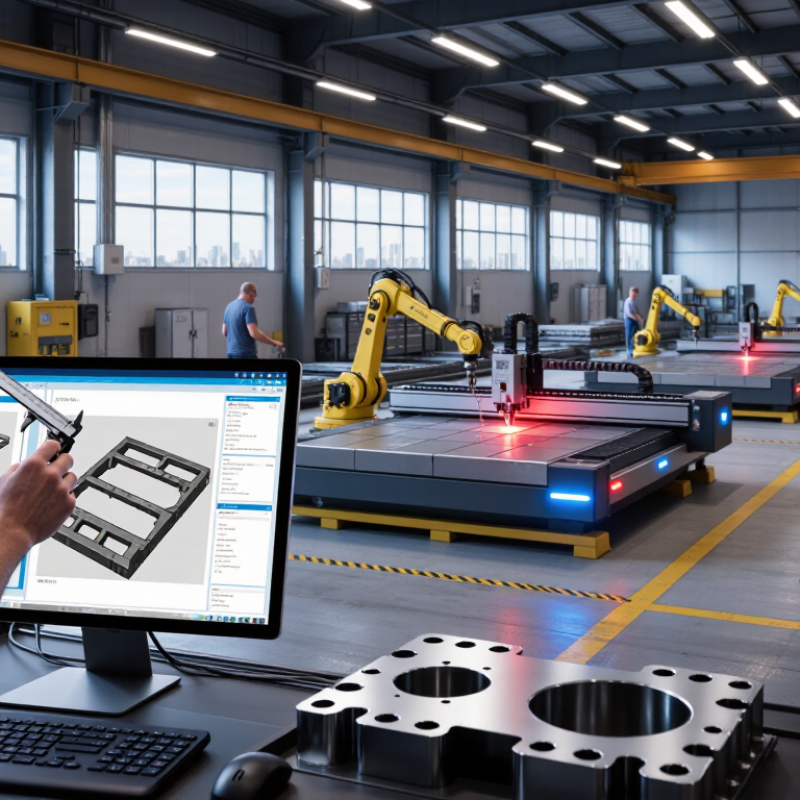
Online steel fabrication is a production service managed through digital tools. It connects design review, material selection, cutting, forming, welding, finishing, and delivery. A customer usually uploads drawings, dimensions, tolerances, and project notes. The fabricator checks these files before pricing the work. This check matters. A missing hole location can delay an entire assembly. Online does not mean the steel is fabricated virtually. Machines still cut and shape real steel in a controlled workshop.
The process often starts with a digital quote. Staff review geometry, steel grade, thickness, quantity, and required finish. They may request a clearer drawing or suggest a manufacturing adjustment. Once approved, the file moves into production planning.
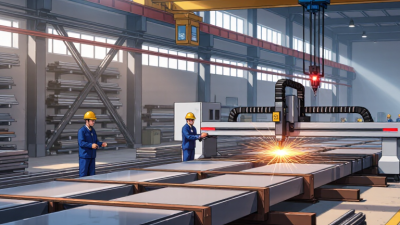
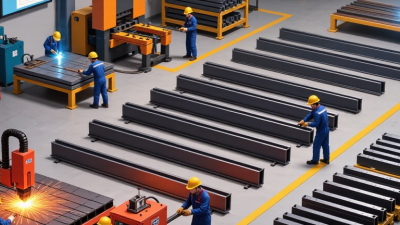
CNC cutting can create accurate plates, tubes, and brackets. Press brakes form measured angles. Welders then join parts according to qualified procedures.
Inspectors check dimensions, weld appearance, surface condition, and identification records. Photos and inspection reports can give customers useful visibility during production.
Reliable online fabrication also includes packaging and shipment planning. Parts need protection from moisture, impact, and mixing during transport. Clear labels help workers match each piece to the assembly drawing. In practice, digital workflows are not flawless. I have seen small drawing revisions cause real confusion when teams overlook version numbers. Human review remains essential. Some projects also need a physical sample before full production. That extra step costs time, but it can expose a tolerance problem early.
Online steel fabrication begins with a customer’s digital steelwork design. The process is practical, but small omissions can create expensive delays. Customers usually upload a CAD model, drawing, or carefully dimensioned sketch. The file should show lengths, hole positions, angles, plate thicknesses, and connection details. Material grade and surface requirements also need clear notation. A clean model is not always a complete model. That distinction matters.
After submission, a fabricator checks the design for manufacturability. Engineers review tolerances, bend allowances, weld access, and cutting paths. They may return questions about unclear dimensions or conflicting views. Customers then approve revisions before receiving a firm quotation and production timeline. Digital reviews reduce misunderstandings because both sides can inspect the same geometry. Still, software cannot understand every site condition. Measurements should be verified against the actual installation area.
Tips: Use consistent units throughout the file. Name every part clearly. Mark critical dimensions separately. Include reference photos when existing steel affects the design. Leave realistic access for tools and welders. Avoid relying on colour alone; add notes and symbols. A second review by an experienced engineer can reveal overlooked clashes. It may feel unnecessary, but one missed hole pattern can affect an entire assembly. Keep the final approved file unchanged, and record any later adjustment in writing.
Online steel fabrication starts with a digital drawing, but the quote depends on more than uploading a file. A fabricator reviews CAD models, drawings, material notes, and production quantities. Common files include STEP, DXF, and PDF formats. Each file must match the requested steel grade, thickness, and dimensions.
The review process often combines software checks with practical engineering experience. Software can identify missing geometry, open profiles, sharp corners, and unusually tight tolerances. An engineer then checks bend directions, hole spacing, weld symbols, and surface requirements. Small details matter. A six-millimeter hole near a bend may affect tooling and strength. An unclear dimension can delay pricing or production.
The quote usually reflects material, cutting, forming, welding, finishing, inspection, packaging, and delivery. Quantity also changes the price because setup time spreads across more parts. A reliable fabricator explains assumptions instead of hiding them. For example, the quote may state whether deburring, coating, or dimensional inspection is included. Automated reviews are useful, but they are not perfect. They may miss an ambiguous note or a bend orientation that looks correct on screen. Customers should review the marked-up drawing carefully before approving the work. One overlooked tolerance can create rework, extra shipping, or a part that does not fit.
What Is Online Steel Fabrication and How Does It Work?
Online steel fabrication turns a digital drawing into a finished steel component. The process begins when a customer uploads CAD files, dimensions, material grades, and tolerances. A fabrication team reviews the design for manufacturability. In practice, the first drawing is rarely perfect. A missed bend allowance can affect the final fit.
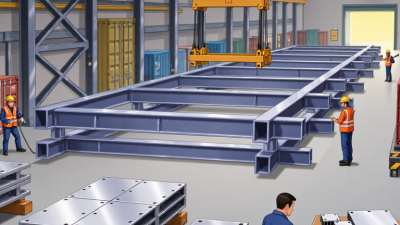
Steel sheets, plates, or tubes are then cut using laser, plasma, or waterjet equipment. The selected method depends on thickness, edge quality, and production volume. Cut parts may be bent with a press brake, rolled into curves, or formed with specialized tooling. Skilled operators check angles with gauges because small errors can multiply during assembly. Welding joins the prepared pieces through suitable processes, while fixtures help control distortion and alignment.
Tips: Provide clear drawings, realistic tolerances, and complete material specifications. Mark critical surfaces and hole locations. Ask for an inspection report when dimensions matter. Do not assume every visible weld is structurally acceptable; joint design, penetration, and heat control require professional review. After welding, components may be ground, deburred, blasted, painted, or coated for corrosion resistance. Final inspection typically checks dimensions, weld appearance, surface condition, and packaging protection. Photos can help, but they cannot replace measured inspection.
A practical overview of the digital ordering and manufacturing workflow for fabricated steel components.
| Stage | What Happens Online | Typical Steel Data | Common Equipment or Method | Typical Output or Check |
|---|---|---|---|---|
| 1. Digital Design Submission | The customer uploads a CAD drawing or enters dimensions, material, quantity, tolerances, and finishing requirements through an online form. | Common file formats include DXF, DWG, STEP, and PDF. Units are normally millimetres or inches. | Web configurator, CAD software, automated design-rule checks, and manual engineering review when required. | Quote-ready part definition with geometry, material, quantity, and delivery requirements. |
| 2. Material Selection | The fabrication specification is matched to an available steel grade and stock thickness. | Typical carbon-steel sheet thickness: 1–25 mm. Stainless-steel sheet is commonly specified from about 0.5–12 mm, depending on equipment. | Material database, inventory control, heat or batch identification, and incoming material inspection. | Material certificate or traceability record when requested; thickness and grade confirmation. |
| 3. CNC Cutting | The approved digital file is converted into toolpaths and arranged on sheet stock to reduce material waste. | Laser cutting is often used for thin and medium sheet; plasma cutting is suited to thicker carbon steel. Typical cut tolerances are approximately ±0.1 to ±0.5 mm, depending on process, thickness, and part size. | Fiber laser, CO₂ laser, plasma cutter, oxy-fuel cutter, or CNC saw. | Flat blanks with pierced holes, slots, profiles, and identification marks. |
| 4. Deburring and Edge Preparation | Sharp edges, dross, and heat-affected residue are removed before forming or assembly. | Edge break or chamfer requirements may range from approximately 0.2–1.0 mm for general parts. | Abrasive belts, tumbling, hand deburring, countersinking, or machining. | Safer handling edges, cleaner weld joints, and improved coating adhesion. |
| 5. Forming and Bending | Flat blanks are bent into brackets, channels, covers, frames, or other three-dimensional shapes. | Press-brake capacity is commonly specified by tonnage and bend length. Inside bend radius is often about 1–2 times the sheet thickness for mild steel, subject to grade and tooling. | CNC press brake, roll former, plate roller, or stamping press. | Bent components checked for angle, flange length, bend radius, and springback. |
| 6. Welding and Assembly | Individual parts are positioned, tack-welded, permanently welded, and assembled according to the drawing. | Common processes include MIG/MAG for carbon steel, TIG for precision or stainless-steel work, and spot welding for overlapping sheet parts. | Welding fixtures, MIG/MAG, TIG, resistance spot welding, and robotic welding where suitable. | Welded assemblies inspected for alignment, weld size, surface defects, distortion, and overall dimensions. |
| 7. Surface Finishing | The selected finish is applied to improve corrosion resistance, appearance, wear resistance, or cleanability. | Typical options include powder coating, wet painting, galvanizing, black oxide, passivation, brushing, and bead blasting. | Blast cabinet, pretreatment line, spray booth, curing oven, or galvanizing bath. | Specified colour or surface condition, coating coverage, adhesion, and visual inspection. |
| 8. Quality Inspection | Finished parts are compared with the approved drawing and purchase specifications before shipment. | Inspection may cover dimensions, hole diameter, flatness, bend angle, weld appearance, coating thickness, and quantity. | Calipers, micrometers, height gauges, angle gauges, coordinate measuring equipment, and coating-thickness gauges. | Inspection report, dimensional record, photographs, or certificate of conformity when specified. |
| 9. Packaging and Delivery | The completed order is packed to protect edges, finished surfaces, and assemblies during transport. | Packaging may include protective film, corrugated separators, edge guards, pallets, crates, and moisture protection. | Part labelling, barcode or order identification, palletizing, and freight documentation. | Traceable shipment containing the specified quantity, drawings, inspection documents, and delivery paperwork. |
Online steel fabrication begins with digital drawings, material selection, and a confirmed production schedule. Customers upload dimensions, hole patterns, tolerances, and finishing requirements. Fabricators then review the files before cutting begins. This review matters because a small drawing error can affect every later step.
Quality checks continue throughout production. Operators verify steel thickness, dimensions, weld appearance, hole positions, and surface condition. Measuring tools may include calipers, gauges, and calibrated inspection equipment. Critical parts should receive documented inspection records. Photographs can also show welds, edges, labels, and protective coatings before shipment. Still, online communication is not perfect. A missing tolerance or unclear revision can create avoidable rework. Experienced teams ask questions instead of guessing.
Tips: Confirm the latest drawing revision, steel grade, quantity, and delivery address. Ask for inspection photos when the part has hidden features. Use clear packaging instructions for sharp edges or delicate finishes. Steel components are usually protected with separators, wrapping, corner guards, or moisture-resistant materials. Each bundle needs readable labels showing part numbers and quantities. During delivery, strong strapping and suitable pallets help prevent shifting. Customers should inspect the crate or bundle before signing. Record dents, torn wrapping, or missing pieces immediately. Delivery is not an afterthought. It protects the quality achieved on the factory floor.