How to Choose a Custom Steel Fabrication Supplier?
Choosing a custom steel fabrication supplier affects more than project cost. It can influence safety, delivery dates, installation effort, and long-term maintenance. A reliable supplier should understand your drawings, material grades, weld requirements, surface finishes, and site conditions before quoting. Experience matters here. A workshop that has produced similar frames, platforms, tanks, or structural components can identify practical risks earlier.
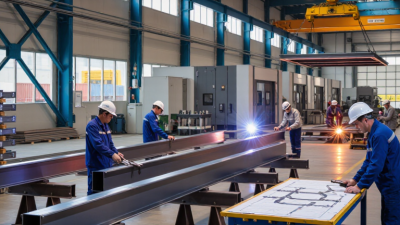
Look closely at how the supplier works. Ask about engineering support, production capacity, inspection procedures, welding qualifications, material traceability, and dimensional control. Request relevant project examples, not only polished photographs. A trustworthy fabricator should explain how steel is received, cut, formed, welded, inspected, protected, and packed for transport. Clear inspection records and realistic delivery schedules often reveal more than a low price.
No supplier is perfect. That matters. Even experienced teams can miss a tolerance, underestimate packaging needs, or communicate poorly during revisions. Evaluate how they respond when problems appear. Do they document corrective actions? Do they admit uncertainty? Do they offer practical alternatives without weakening the design? These details show professional judgment and accountability. The best choice is not always the cheapest quotation. It is the supplier that combines proven capability, transparent communication, consistent quality, and dependable support throughout the fabrication process. Take time to compare evidence, because an attractive promise can become an expensive lesson.
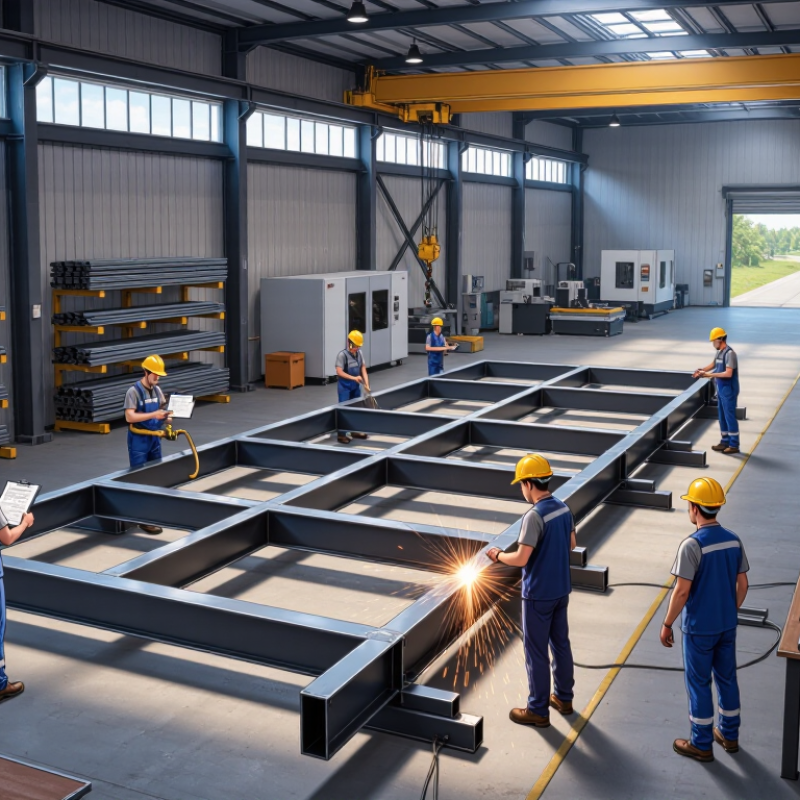
Set Material Needs: ASTM A36 (36 ksi) or A572 Grade 50 (50 ksi)
How to Choose a Custom Steel Fabrication Supplier?
Set Material Needs: ASTM A36 (36 ksi) or A572 Grade 50 (50 ksi)
A reliable supplier should help convert design loads into a clear steel specification. ASTM A36 provides a minimum yield strength of 36 ksi, while A572 Grade 50 provides 50 ksi. That difference can affect plate thickness, member weight, and connection design. Do not guess.
In fabrication work, A36 often suits brackets, base plates, frames, and general structural parts. A572 Grade 50 may reduce weight where higher strength is required. However, higher strength does not automatically mean better performance. The design may require specific toughness, forming limits, or welding procedures. A lighter part can also complicate handling and distortion control.
Ask the supplier to confirm the exact ASTM grade, product form, thickness range, and heat-treatment condition. Request material test reports showing yield strength, tensile strength, chemical results, and heat numbers. The supplier should also explain how the selected grade affects cutting, bending, preheating, and weld inspection. From practical shop reviews, mismatched certificates create more trouble than difficult welding. I have seen drawings list “A36 steel” while purchasing records showed another grade. That oversight is avoidable, but it happens. Keep it documented. Verify the grade before cutting begins.
Set Dimensional Controls with ASTM A6 Tolerances and Drawing Datums
How to Choose a Custom Steel Fabrication Supplier?
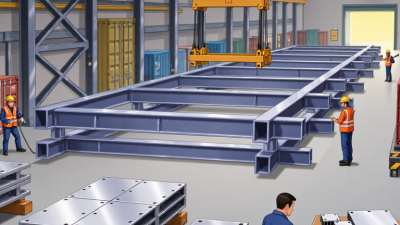
A reliable supplier should control dimensions before cutting begins. ASTM A6/A6M establishes dimensional tolerances for rolled structural steel products, but it does not replace project-specific drawing requirements. The drawing must identify functional datums clearly. For example, Datum A may be the base plate, Datum B the web centerline, and Datum C the finished end face. Every hole, cut, and weld location should reference these surfaces. This prevents tolerance stacking during assembly. World Steel Association reported approximately 1.89 billion tonnes of crude steel production in 2023. That enormous volume makes material traceability and inspection discipline essential, not optional.
Ask suppliers to submit a dimensional control plan with the quotation. It should identify measuring tools, inspection points, calibration dates, and acceptance limits. A supplier should distinguish mill tolerances from fabrication tolerances. ASTM A6 tolerances may permit variation in thickness, straightness, or profile, while your drawing may require tighter fit-up. Request inspection records tied to heat numbers and drawing revisions. Physical evidence matters. A marked-up inspection sheet is more useful than a confident promise.
Tips:
Define three primary datums. Inspect from those datums. Check the first fabricated piece before releasing the batch. Photograph critical measurements. Small mistakes become expensive quickly. I would also challenge unclear dimensions instead of assuming intent; experienced teams still miss ambiguous details. Review the latest applicable ASTM A6/A6M edition and project specification before approval.
Verify Welding Compliance Through AWS D1.1 and Welder Qualifications
How to Choose a Custom Steel Fabrication Supplier?
Choosing a custom steel fabrication supplier requires more than comparing prices and polished samples. Ask how welding compliance is controlled on actual projects. AWS D1.1 defines requirements for structural steel welding, but the applicable edition and project specifications still matter. Request the supplier’s welding procedure specifications and supporting qualification records. Confirm they match the steel grades, joint types, thicknesses, positions, and processes used for your work.
Welder qualification records deserve careful review. Check each welder’s identification, test date, process, position, material group, thickness range, and continuity status. A certificate alone may not prove current qualification. Ask for continuity logs and confirm that records are traceable to assigned welders. During a shop visit, observe fit-up, preheat measurement, consumable storage, and weld identification. Small details often reveal whether a quality system works beyond paperwork.
Independent inspection can add confidence for complex frames, fatigue-sensitive connections, or critical load paths. Discuss visual inspection, dimensional checks, and suitable nondestructive testing before production begins. Clarify who approves repairs and how nonconforming welds are documented. I have seen attractive welds hide incomplete records. That weakness is easy to overlook. A dependable supplier welcomes questions, admits gaps, and corrects them before steel reaches the site. Even experienced teams can miss details when schedules tighten.
Audit Quality Systems: ISO 9001 and EN 1090 Execution Classes
How to Choose a Custom Steel Fabrication Supplier?
Audit the quality system before reviewing the quotation. ISO 9001 certification shows a controlled management process, but it does not guarantee perfect fabrication. The ISO Survey 2022 recorded 1,265,216 ISO 9001 certificates worldwide. That scale shows broad adoption, not automatic competence. Ask for the certificate scope, audit date, nonconformity records, and corrective-action evidence. Check whether the scope covers structural steel fabrication, welding, inspection, and site support. A polished certificate can still hide weak production controls.
EN 1090 execution classes provide a more practical test. EXC1 suits lower-risk work, while EXC4 demands the strictest controls and verification. The selected class should match design risk, fatigue exposure, consequences of failure, and project specifications. Request welding procedure qualifications, welder approvals, material certificates, heat-number traceability, and non-destructive testing records. Review how the supplier manages deviations. Small documentation gaps often become expensive delays. Experience matters here. A shop may understand welding, yet struggle with traceability under pressure.
Tips: Visit the workshop during production. Inspect plate storage, marked components, welding stations, and final inspection areas. Ask one technician to explain a component’s full record. Compare that explanation with the documents. Also verify factory production control certification under EN 1090-1. Do not rely only on a sales presentation. I would also request a sample inspection and test plan. It may feel excessive, but unclear responsibilities create avoidable disputes. Look for evidence, not confidence.
How to Choose a Custom Steel Fabrication Supplier?
Audit Quality Systems: ISO 9001 and EN 1090 Execution Classes
EN 1090 defines four execution classes, from EXC1 to EXC4. The class number represents increasing fabrication, welding, inspection, documentation, and traceability requirements. When evaluating a supplier, confirm that its EN 1090 certification covers the execution class required for your project, while ISO 9001 demonstrates a structured quality management system.