2026 Best Metal Fabrication Trends for Global Buyers?
The metal fabrication industry is undergoing significant transformation, driven by technological advancements and evolving market demands. According to a report by Grand View Research, the global metal fabrication market is expected to reach USD 20 billion by 2026, reflecting an annual growth rate of 4.4%. This growth is largely attributed to increased automation and the integration of artificial intelligence in production processes.
As global buyers seek efficiency and sustainability, innovative trends are emerging. For instance, the use of 3D printing and advanced welding techniques is reshaping how metal components are produced. These methods not only enhance precision but also reduce waste. However, challenges remain in terms of adopting these technologies and ensuring workforce adaptation, which could hinder progress.
The emphasis on sustainable practices in metal fabrication is becoming critical. Companies are increasingly focused on reducing their carbon footprint while meeting regulatory standards. Yet, many still struggle with the initial investment needed for green technologies. Addressing these issues will be vital for the industry's future, making it essential for stakeholders to stay informed about trends and challenges in metal fabrication.
Emerging Technologies in Metal Fabrication for 2026
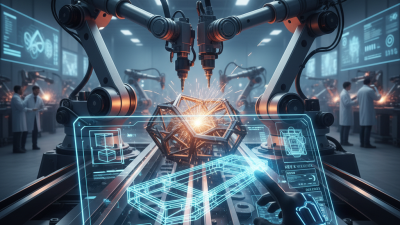
In 2026, metal fabrication is set to embrace several exciting technologies. Automation will play a significant role. Robots equipped with advanced AI will enhance precision and efficiency. This shift will reduce human error, but it also raises questions about job displacement. The balance between efficiency and workforce sustainability needs careful consideration.
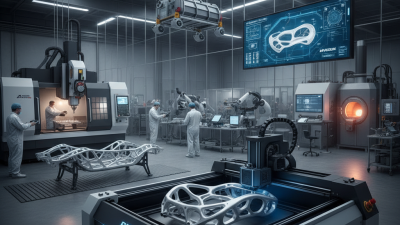
Additive manufacturing will gain momentum in the metal fabrication sector. This technology allows for complex designs that were previously impossible to achieve. It reduces material waste, but the initial costs could deter some companies. Finding a feasible solution to integrate this technology remains a challenge.
Smart manufacturing technologies will improve data analytics. Real-time monitoring will optimize production processes. However, businesses must ensure they have the right cyber defenses in place. The innovation brings risks that require addressing, making security a priority as companies move forward.
Sustainability Trends Impacting Metal Fabrication Practices
The metal fabrication industry is witnessing a significant shift towards sustainability. Buyers are increasingly prioritizing eco-friendly practices. A recent report found that 68% of manufacturers are investing in sustainable technologies. These investments aim to reduce waste and lower carbon emissions.
Recycling and resource efficiency are at the forefront of these sustainability trends. A well-known study indicated that recycling metal can save up to 95% of the energy required to produce new metal. This data emphasizes the importance of integrating recycling into metal fabrication processes. Efficient resource management can extend the life cycle of materials and decrease environmental impact.
However, challenges persist. Not all companies are equipped with the latest green technologies. Some still rely heavily on traditional practices that contribute to higher emissions. The transition requires not just investment but also a change in mindset. As the demand for sustainability grows, the gap between innovators and laggards in the industry may widen. This situation raises questions about accountability and responsibility in metal fabrication practices.
Global Market Demands Shaping Metal Fabrication Innovations
The global landscape of metal fabrication is undergoing significant transformations, driven by market demands. A recent industry report indicates that the global metal fabrication market is expected to reach USD 20 billion by 2026, with a compound annual growth rate (CAGR) of 5%. This growth reflects the increasing need for custom metal solutions across various sectors, from automotive to construction.
Innovations in metal fabrication are essential to meet these demands. Advanced technologies, such as automated welding and 3D printing, are enhancing efficiency and reducing waste. For instance, a study revealed that automating metal fabrication processes can improve production speeds by up to 30%. However, these advancements come with challenges. Companies must invest in training their workforce to adapt to these new technologies, which is often overlooked.
Sustainability is also a crucial element shaping the industry. The growing emphasis on eco-friendly practices means that metal fabricators are exploring recycling methods and energy-efficient processes. Research indicates that around 60% of metal fabrication businesses are prioritizing sustainability. Yet, many are still lagging in implementing these practices effectively. Addressing this gap is key to remaining competitive in an evolving market.
2026 Best Metal Fabrication Trends for Global Buyers
| Trend |
Description |
Impact on Market |
Projected Growth (%) |
| Automation & Robotics |
Integrating automation technology to streamline processes and reduce labor costs. |
Increases efficiency across production lines, improving product quality and reducing lead times. |
15% |
| Sustainability Practices |
Adopting eco-friendly materials and reducing waste through recycling initiatives. |
Enhances brand image and meets the increasing consumer demand for sustainability. |
20% |
| 3D Printing |
Utilizing additive manufacturing for complex designs and custom parts. |
Targets niche markets and reduces material usage, saving costs. |
25% |
| Digital Twin Technology |
Creating virtual models of physical assets to optimize performance. |
Improves planning and predictive maintenance, reducing downtime. |
18% |
| Smart Manufacturing |
Leveraging IoT to connect machines and monitor systems in real time. |
Enhances operational efficiency and adapts to market changes swiftly. |
22% |
Automation and Robotics in Metal Fabrication Processes
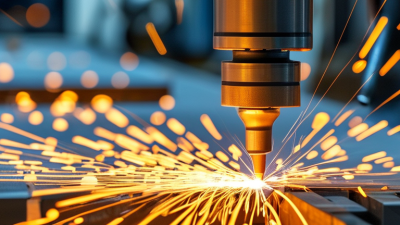
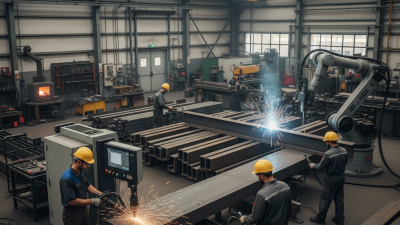
Automation and robotics are transforming metal fabrication processes in significant ways. These technologies enhance precision, speed, and productivity. Automated systems can carry out repetitive tasks effectively, reducing human error. For example, robotic arms can weld or cut metal with high accuracy, making the work easier and safer. This shift allows skilled workers to focus on more complex tasks, thus increasing overall efficiency.
However, the integration of automation is not without challenges. Many businesses face high initial costs and require specialized training for employees. There is also a growing concern about job displacement in the industry. Balancing automation with human skill is crucial for sustainable growth. While robots handle routine work, human oversight remains essential to ensure quality and adaptability in production. The industry must proceed thoughtfully, weighing the benefits against the need for a skilled workforce.
2026 Best Metal Fabrication Trends for Global Buyers
This chart illustrates the popularity index of various metal fabrication trends expected to influence global buyers in 2026. Automation and robotics are anticipated to lead the way, followed closely by AI integration and 3D printing technologies.
Metal Fabrication Techniques for Enhanced Product Customization
Metal fabrication is evolving rapidly, focusing on enhanced product customization. Techniques like 3D printing and CNC machining are gaining traction. These methods allow for intricate designs that fit specific customer needs. Manufacturers can produce unique, one-off designs efficiently.
Customization offers benefits, but it also brings challenges. Not all designs work with every material. Sometimes, the complexity can lead to higher costs. It's essential to balance creativity with practicality. Knowing material limitations is crucial for successful projects.
When approaching customized metal fabrication, keep a few things in mind. Effective communication with suppliers will ensure that your vision is feasible. Regularly review and adjust designs based on feedback. This approach can prevent costly mistakes and ensure a better final product. Stay updated on industry trends and new technologies to enhance your capabilities.