2026 Top Trends in Custom Metal Fabrication for Innovative Industries?
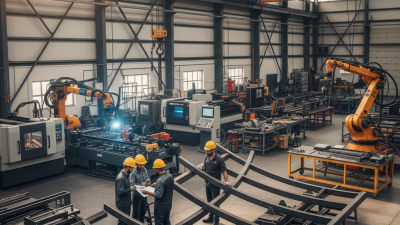
In recent years, custom metal fabrication has emerged as a critical innovation in various industries. This dynamic sector directly impacts aerospace, automotive, and healthcare, allowing for tailored solutions that enhance product efficiency. Companies now turn to custom metal fabrication for precise designs. The rise of advanced technologies, such as 3D printing and CNC machining, plays a key role in this evolution. It enables manufacturers to produce complex shapes and lightweight structures, paving the way for groundbreaking applications.
The benefits of custom metal fabrication are not without challenges. While customization offers flexibility, it can lead to increased production times and costs. Companies must balance quality with efficiency. Finding skilled labor in this specialized field remains a hurdle. The next few years will witness further transformations in custom metal fabrication. Emerging trends will shape how industries innovate and adapt to changing demands. Organizations will need to embrace these trends and continuously reflect on their processes to stay competitive and relevant in a fast-paced market.
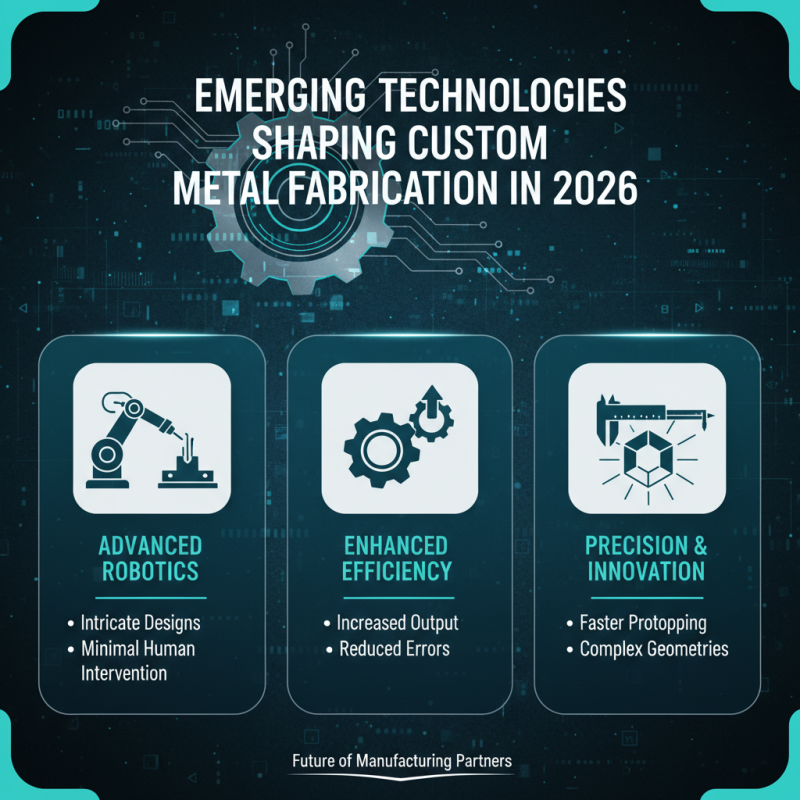
Emerging Technologies Shaping Custom Metal Fabrication in 2026
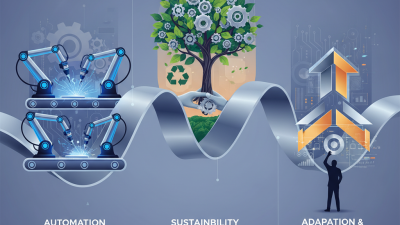
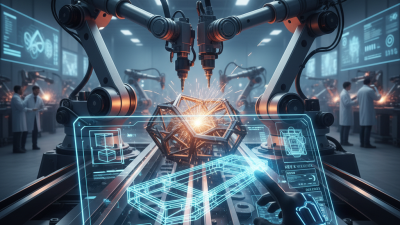
Custom metal fabrication is evolving rapidly, driven by emerging technologies. In 2026, we will see innovations that enhance efficiency and precision. Advanced robotics will dominate, enabling intricate designs with minimal human intervention. Robots can work tirelessly, increasing output while reducing errors. This is an exciting development for manufacturing partners.
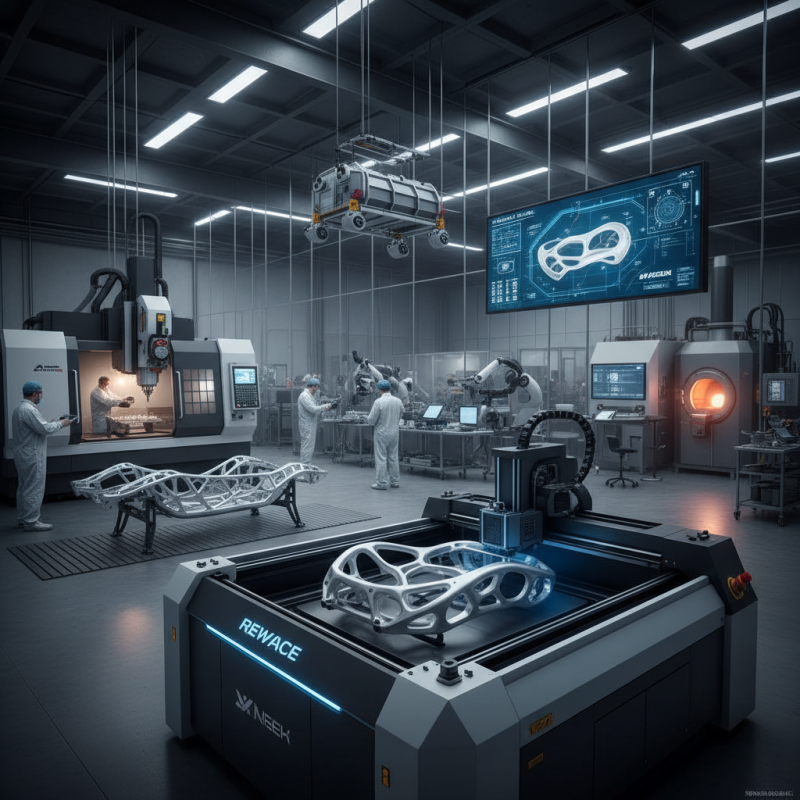
Additive manufacturing is also gaining traction. 3D printing techniques are reshaping traditional methods. It allows for complex geometries that were previously impossible. Moreover, materials can be customized for specific applications, leading to greater quality. However, integrating these technologies requires training and adjustments in workflows. Businesses must be adaptable.
Tips: Embrace a culture of innovation. Encourage employees to explore new technology. This can foster creative problem-solving. Regular training sessions on new tools are essential. Keeping skills up-to-date ensures that your team remains competitive. Experimentation is key. Learn from failures to refine techniques. Remember, progress often comes with challenges.
Sustainability Practices in Metal Fabrication for Innovative Industries
Sustainability is now a priority in metal fabrication. Many industries are reevaluating their processes. Green practices are gaining momentum. They reduce waste and utilize renewable resources. This shift is essential for long-term success.
One effective approach is recycling scrap metal. It minimizes raw material needs and reduces energy consumption. Companies are also investing in energy-efficient machinery. Using solar or wind power can significantly cut emissions. Such strategies are not just beneficial; they are often economically sound.
However, challenges remain. The transition to sustainable practices can be costly. Not every firm has the resources for these changes. Training staff on new methods is also necessary, yet time-consuming. These factors can hinder progress. Industry leaders must reflect on these obstacles. Adopting sustainability requires patience and ongoing commitment.
The Role of Automation in Enhancing Custom Metal Fabrication Processes
Automation is transforming the custom metal fabrication industry. By integrating advanced technologies, manufacturers can achieve efficiency and precision. A recent report from the Fabricators & Manufacturers Association revealed that automation could enhance productivity by up to 50%. This jump is significant, especially in an industry where deadlines and precision are critical.
Robotic systems play a vital role in this change. They perform repetitive tasks efficiently, freeing skilled workers for more complex challenges. However, implementing automation is not without its hurdles. Many companies face a steep learning curve. A lack of expertise in managing these systems can lead to operational hiccups. Continual training is essential to avoid costly mistakes.
Despite the challenges, the benefits of automation are clear. Data from the International Federation of Robotics suggests that automated systems can reduce material waste by 30%. This is crucial as industries strive for sustainability. However, companies must reflect on the balance between automation and the human touch. The right mix can drive innovation while preserving jobs and skills within the workforce.
Customization Trends Driven by Consumer Demand in Metal Fabrication
Customization in metal fabrication is increasingly shaped by consumer demand. According to a report from MarketsandMarkets, the custom metal fabrication market is projected to reach $25 billion by 2026. This trend highlights a shift toward more personalized and tailored solutions across various industries.
As consumers seek unique products, the importance of customization rises. Industries such as automotive, aerospace, and architecture are witnessing this change. Clients are not just looking for standard designs anymore; they want specific features that fit their exact needs. Custom fabrication offers flexibility, allowing businesses to respond swiftly to market demands. This adaptability is essential in staying competitive.
Tip: Engage with customers to understand their specific needs. Collect feedback directly from users to refine your offerings.
Technological advancements also support this customization trend. Innovations in CNC machining and 3D printing allow for precise adjustments and faster prototyping. However, process inefficiencies can still arise. Overcoming design limitations requires continuous evaluation. Producing tailored products can lead to longer lead times if not managed properly.
Tip: Invest in software that enhances design and workflow. Streamlining these processes will help meet demand efficiently.
Applications of Advanced Materials in Modern Metal Fabrication Techniques
The metal fabrication industry is evolving rapidly, particularly with the integration of advanced materials. These innovations pave the way for more efficient production methods and enhanced product durability. A recent report indicates that the global advanced materials market will reach $100 billion by 2026, focusing heavily on metals like titanium and advanced alloys. These materials not only improve strength but also reduce weight, which is essential in industries like aerospace and automotive.
As companies adopt new manufacturing techniques, such as additive manufacturing and laser cutting, they are seeing remarkable efficiency gains. For instance, employing high-strength steel can reduce component weight by up to 30%. However, the challenge lies in the need for skilled labor and updated infrastructure to work with these advanced materials. Many fabricators still rely on traditional methods, which could hinder their competitive edge.
Tip: Investing in workforce development is crucial. Encourage training programs focused on modern metal fabrication technologies. This will bridge the skill gap and foster innovation.
Tip: Consider collaborating with research institutions. Partnerships like these can facilitate access to cutting-edge materials and techniques, propelling your business forward.