Top Tips for Welding and Fabrication Techniques You Need to Know?
Welding and fabrication are critical skills in the manufacturing industry. According to the American Welding Society, the welding industry contributes over $30 billion annually to the U.S. economy. These techniques are vital for a wide range of applications, from construction to aerospace.
In recent years, advancements have transformed welding and fabrication processes. Emerging technologies, like robotics and automation, are enhancing precision and efficiency. However, not all companies have adapted. A report by the National Association of Manufacturers highlights that 74% of manufacturers struggle to find skilled workers in this field.
Many new welders face challenges. Common mistakes can lead to poor quality work and increased costs. Emphasizing safety and proper technique is crucial. Understanding the nuances of welding and fabrication can significantly impact a project’s success. Recognizing areas for improvement is essential for growth in this competitive field.

Essential Safety Practices for Welding and Fabrication
Welding and fabrication are rewarding, but safety must come first. When working with high heat and metal, the environment can be hazardous. Always wear appropriate protective gear. This includes gloves, helmets, and flame-resistant clothing. Don't underestimate the importance of good ventilation. Fumes can be dangerous.
Listen to your instincts. If something feels off, take a break and reassess your setup. Proper lighting is crucial. Poor visibility can lead to mistakes. Keep your workspace organized to minimize hazards. Clutter can easily create a dangerous situation. Stay alert and focused on your tasks.
Prepare for emergencies. Have a first-aid kit available. Know the locations of fire extinguishers. Regularly check equipment for signs of wear. Faulty tools can lead to accidents. Document your processes and any near misses. Learning from mistakes enhances safety protocols in the long run. Every small step counts in maintaining a safe working environment.
Top Tips for Welding and Fabrication Techniques You Need to Know - Essential Safety Practices for Welding and Fabrication
| Tip No. |
Welding Technique |
Safety Practice |
Essential Tools |
| 1 |
TIG Welding |
Wear Appropriate PPE (Personal Protective Equipment) |
TIG Welder, Filler Rods, Protective Gear |
| 2 |
MIG Welding |
Ensure Proper Ventilation |
MIG Welder, Wire Feed, Chipped Hammer |
| 3 |
Stick Welding |
Check Equipment Before Use |
Stick Welder, Electrodes, Gloves |
| 4 |
Plasma Cutting |
Maintain Safe Distance from Sparks |
Plasma Cutter, Safety Goggles, Fire Extinguisher |
| 5 |
Oxy-Acetylene Welding |
Use Flashback Arrestors |
Oxy-Acetylene Setup, Flame Arrestors |
Understanding Different Welding Techniques and Their Applications
Welding is an essential skill in fabrication. Different welding techniques serve various purposes. Understanding these methods is crucial for anyone working in this field.
MIG welding is popular for its speed and versatility. It works well with thin materials and is suitable for indoor projects. However, it can struggle with wind or drafts.
TIG welding, on the other hand, provides precision. It’s ideal for stainless steel and aluminum. Yet, it requires steady hands and can be time-consuming.
Stick welding remains a reliable option. It’s useful for outdoor work and can be applied in tough conditions. But beginners often find it challenging.
Each technique has its strengths and weaknesses. Choosing the right method is critical for success. Don't be afraid to experiment and learn from mistakes.
Key Materials for Effective Welding and Fabrication
When it comes to welding and fabrication, choosing the right materials is crucial. Steel is a top choice due to its strength and durability. According to a 2022 industry report, over 70% of welding operations use steel. Its versatility allows for various applications, from construction to automotive. However, different grades of steel can affect the final product. Understanding these differences is essential for quality.
Aluminum is another important material. It is lightweight and resistant to corrosion, making it suitable for specific projects. A recent survey found that 35% of fabricators prefer aluminum for lightweight applications. Yet, welding aluminum requires special techniques. This can be challenging for those not familiar with the material. Consideration must also be given to the filler material used.
Other materials like stainless steel and copper also have their place in welding. Stainless steel offers excellent corrosion resistance, while copper has high thermal conductivity. Each material presents unique challenges that require careful planning. Not every fabricator has experience with all types. Therefore, continuous learning and adaptation are vital in this field.
Tools and Equipment Every Welder Should Have
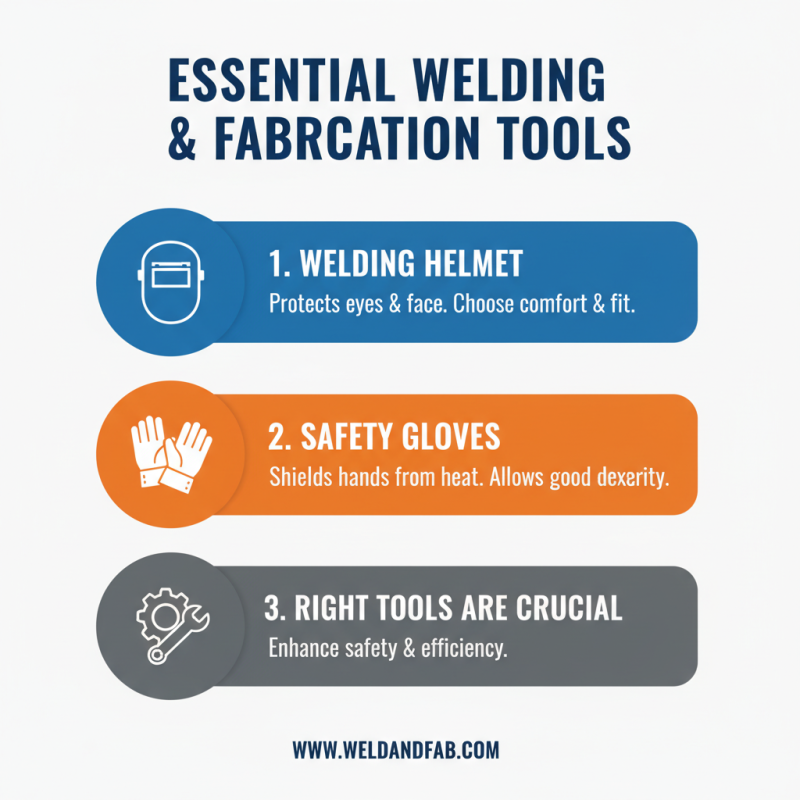
When it comes to welding and fabrication, having the right tools is crucial. A sturdy welding helmet protects your eyes and face from intense light. Choose a model that fits well and is comfortable. Safety gloves are equally important. They shield your hands from heat and sharp edges. Make sure to select gloves that offer good dexterity.
A welding machine is the heart of the operation. There are various types available, and understanding your specific needs is vital. Each machine has its own strengths and weaknesses. In addition, clamps and fixtures help hold materials in place while you work. They can be cumbersome, yet necessary for achieving precision.
Finally, consider investing in basic hand tools. These include hammers, chisels, and wrenches. They might seem simple, but they are essential for adjustments. As you gather your tools, remember that even the best cannot guarantee perfect results. Mistakes will happen. Use them as learning opportunities. The journey of mastering welding is filled with challenges. Embrace them.
Tips for Improving Precision and Quality in Fabrication Projects
Precision is key in fabrication projects. Start by ensuring your workspace is organized. A clutter-free area allows for better focus. When your tools and materials are within easy reach, you work more effectively. Additionally, using precise measurements avoids costly mistakes. A simple miscalculation can lead to wasted time and materials.
When welding, always inspect your setup. Look for any inconsistencies before starting. Small faults can escalate into major issues later. Using jigs can help maintain alignment and ensure repeatability in cuts and welds. Remember, practice is necessary. Small flaws may not matter initially, but they can accumulate. A project that looks fine at first can reveal issues over time. This demands attention and often, a willingness to redo elements.
Don't overlook feedback. Collaborating with peers can bring fresh perspectives. They might catch what you miss. Constructive criticism helps sharpen your skills. Embrace imperfections as learning opportunities. Refining your technique takes time. Each project can teach something valuable, whether through success or failure.
Top Tips for Welding and Fabrication Techniques
Improving precision and quality in fabrication projects is crucial for achieving the best results. This chart illustrates key welding techniques and their effectiveness based on user feedback.