How to Use Wax Paper for Food Storage and Crafts?
Wax Paper is a versatile material that has found its place in both food storage and craft projects. According to Jennifer Smith, a food preservation expert, "Wax paper offers an easy and effective way to keep food fresh and create beautiful crafts." This statement underscores the dual benefits of Wax Paper, appealing to home cooks and crafters alike.
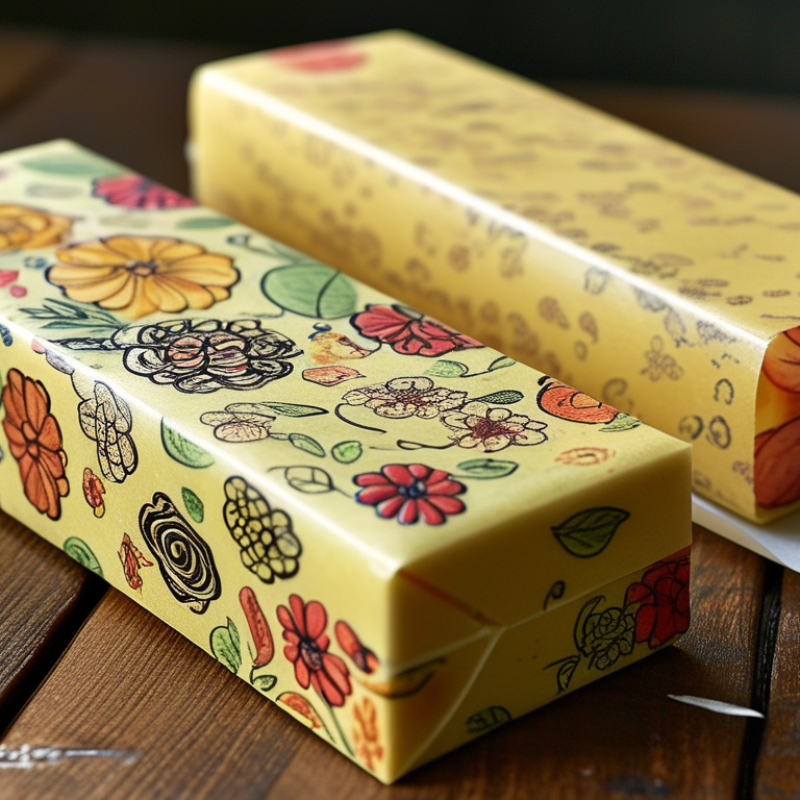
In the kitchen, Wax Paper serves as a protective barrier. It helps preserve the freshness of baked goods and is an excellent option for wrapping sandwiches. Its water-resistant properties ensure that moisture doesn't compromise food quality. For those who enjoy creating, Wax Paper can be transformed into patterns, decorative coverings, and more.
Despite its many uses, it's essential to note that Wax Paper isn't suitable for all situations. Direct exposure to heat can damage it, rendering it ineffective for oven use. Careful handling and an understanding of its limitations will enhance your experience with Wax Paper. Balancing innovation with practicality is key when utilizing this unique material.
Understanding Wax Paper: What Is It and Its Properties
Wax paper is a versatile material known for its unique properties. Made by coating paper with a layer of food-grade paraffin wax, it offers a moisture-resistant barrier. This characteristic makes it ideal for food storage. It keeps moisture in and air out, which helps preserve the freshness of baked goods. However, it is not suitable for high-heat applications, such as the oven or microwave. Both its strengths and limitations should be understood.
Beyond food storage, wax paper shines in crafts. Its smooth surface allows for easy drawing and painting. This can add unique designs to various projects. Additionally, wax paper can be used to create protective coverings or even as a non-stick surface for messy tasks. However, crafters should consider that wax paper can sometimes smudge when wet or heated. These aspects are important when planning a project, as mistakes can happen without proper preparation.
In daily use, many people underestimate wax paper's potential. Some may even confuse it with parchment paper. This distinction is significant; parchment paper withstands higher temperatures, while wax paper is much more delicate. Knowing these differences will enhance your experience, ensuring you choose the right paper for the right task. Mistakes in selection can lead to unsatisfactory results. Reflecting on this can guide better choices in future projects.
How to Use Wax Paper for Food Storage and Crafts?
| Property | Description | Use Case |
| Waterproof | Wax paper is coated with a layer of wax that makes it resistant to moisture. | Ideal for wrapping sandwiches and other food items to keep them fresh. |
| Non-stick | Its surface prevents food from sticking to it. | Great for rolling dough or crafting projects such as making molds. |
| Durability | Thicker than regular paper, making it more resilient. | Can be used for various crafts that require a sturdy material. |
| Versatile | Can be used in both cooking and crafting. | Useful for crafts like scrapbooking, as well as for lining pans. |
Using Wax Paper for Food Storage: Techniques and Tips
Wax paper can be a versatile tool for food storage. Its moisture-resistant properties make it ideal for wrapping cheese, meats, and vegetables. Unlike plastic wrap, wax paper lets food breathe, reducing the risk of mold. A study from the Food Packaging Institute shows that using proper materials can extend the shelf life of food. In some cases, it can keep certain foods fresh up to 30% longer than traditional methods.
For crafts, wax paper can protect surfaces during art projects. It's excellent for kids’ crafts or DIY projects. Its non-stick properties simplify cleanup. You can use it to create patterns or hold paint without a mess. Moreover, many artists highlight that wax paper can be a reliable base for wax crayon drawings. Yet, it may not hold up under heavy materials.
Keep in mind, wax paper isn’t heat-resistant. Avoid using it in the oven or microwave. It can be easy to overlook this detail, leading to burns or smoke. Always double-check before using it in cooking. Although wax paper can be handy, it has limitations. Understanding these nuances is vital for effective use.
Creative Ways to Use Wax Paper in Crafts and DIY Projects
Wax paper is a versatile material often found in kitchens, but its uses extend far beyond food storage. In the realm of crafts and DIY projects, wax paper can be a valuable tool. One creative application is making decorative envelopes. Simply cut the wax paper into your desired shape, and seal the edges. You’ll find that it's great for unique gift wrapping as it adds a rustic charm.
Another interesting use is in homemade stencils. Wax paper can be easily cut into shapes or designs. Place the wax paper on the surface you want to decorate and spray paint over it. The wax coating allows for clean lines and easy removal. It's a fun and simple technique that yields impressive results, especially for customized home décor.
Tips: Consider experimenting with colored wax paper for brighter designs. To avoid frustration, test your stencil on scrap materials first. Keep in mind that heat can warp the material, which might affect your projects. Explore this medium, but be open to refining your methods through practice and patience.
Creative Uses of Wax Paper in Food Storage and Crafts
Safety Considerations: When Not to Use Wax Paper for Food
Wax paper can be a handy tool, but it’s essential to understand when to avoid using it for food. One crucial aspect is heat. Wax paper is not heat-resistant. It can melt or even catch fire in the oven. Therefore, never use it as a liner for baking sheets or in the microwave.
Another consideration is moisture. Wax paper is not waterproof. It can absorb moisture, which may affect food quality. For instance, wrapping wet items can lead to sogginess. Also, it should not touch acidic foods. Chemicals from the wax may transfer to the food, posing safety risks.
While wax paper is great for crafts or temporary food wrapping, be cautious. Always use materials designed for food storage when safety is a priority. Reflect on the use of wax paper in your kitchen. Choosing the right product makes a significant difference.
Maintaining and Storing Wax Paper for Long-Term Use
Wax paper is a versatile tool that can significantly enhance food storage and crafts. For long-term use, proper maintenance and storage are crucial. Studies suggest that wax paper can last for several years when stored correctly. Keeping it in a cool, dry place away from direct sunlight helps preserve its wax coating and prevents it from becoming brittle.
Humidity can affect wax paper, leading to reduced performance. A dehumidifier may be beneficial in damp areas. When using wax paper for food storage, ensure it is placed in an airtight container. This preserves freshness and inhibits moisture. To maintain flexibility, avoid folding the paper; use it flat or gently rolled.
Tips: Check for cracks before use. It’s better to discard damaged sheets. Store unused sheets in a plastic bag to keep them safe. Be mindful of overstocking, as wax paper may lose its effectiveness over time. Aim to use what you need and replenish as necessary. This approach ensures you have the best quality for your culinary and crafting needs.