Top 10 Tips for Low Cost Sheet Metal Fabrication to Save Your Budget
In today's competitive landscape, businesses are constantly seeking innovative ways to optimize their production processes while minimizing costs. One area where significant savings can be achieved is in low cost sheet metal fabrication. This approach not only helps companies adhere to tight budgets but also streamlines operations, allowing for more efficient resource management. As demand for custom sheet metal components continues to rise, understanding how to reduce expenses without compromising quality becomes crucial for manufacturers and fabricators alike.
Effective low cost sheet metal fabrication requires a strategic combination of techniques and practices that can lead to substantial savings. From selecting the right materials to employing advanced technologies, there are numerous factors that influence the overall cost of production. By focusing on the essentials, businesses can enhance their fabrication processes, ensuring they remain competitive while delivering high-quality products to their customers.
In this guide, we will explore the top 10 tips for achieving low cost sheet metal fabrication, providing actionable insights that can help you save on production costs while maintaining excellence in your projects. Whether you are a seasoned professional or new to the field, these tips will equip you with the knowledge needed to make informed decisions in the fabrication process.
Understanding the Basics of Low-Cost Sheet Metal Fabrication
Low-cost sheet metal fabrication has become increasingly important for businesses looking to optimize their production processes without sacrificing quality. According to a report by SME, the metal fabrication industry is projected to grow significantly, with a compounded annual growth rate (CAGR) of 2.9% from 2020 to 2025. This growth reflects rising demand for cost-effective manufacturing solutions, particularly in sectors such as automotive and electronics, where efficient production methods can substantially influence overall operating budgets.
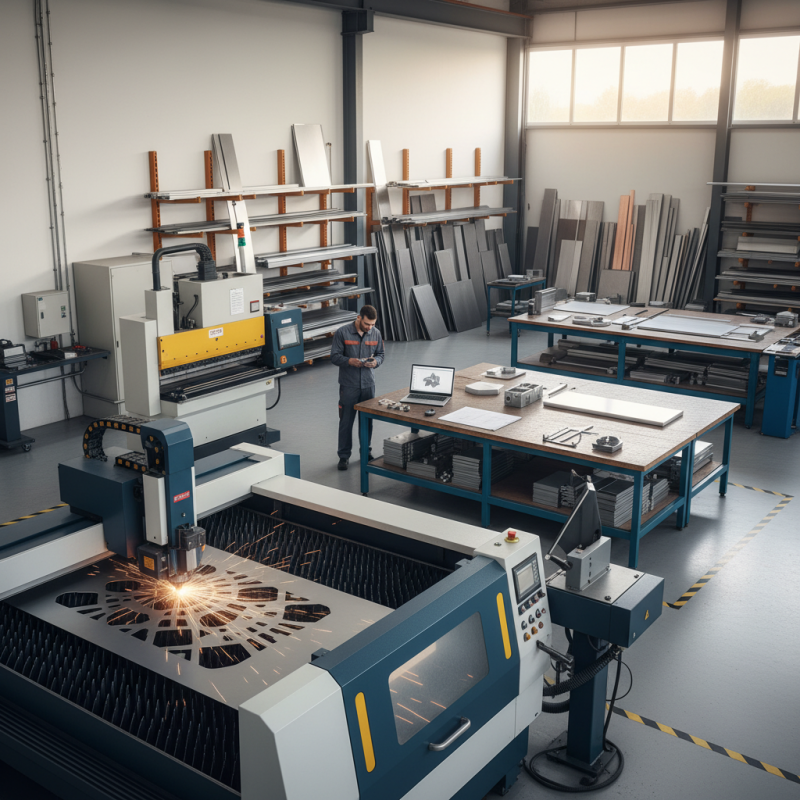
Understanding the basics of low-cost sheet metal fabrication involves familiarizing oneself with essential techniques and tools that can reduce expenses. Techniques such as laser cutting, CNC machining, and strategic material selection play crucial roles. For instance, utilizing high-quality yet affordable materials can lower costs by up to 30%, as reported in a study by the Fabricators & Manufacturers Association. Furthermore, process optimization — including minimizing waste and maximizing machine run time — not only enhances production efficiency but also significantly decreases labor and material costs. By leveraging these fundamental principles, businesses can effectively navigate the financial landscape of sheet metal fabrication.
Choosing the Right Materials for Cost-Effective Fabrication
When embarking on a sheet metal fabrication project, selecting the right materials is critical to maintaining cost-effectiveness without compromising quality. One of the primary factors to consider is the type of metal being used. Opting for materials that strike a balance between affordability and durability can significantly impact your overall budget. Common choices like aluminum, stainless steel, and carbon steel each come with their own cost implications, benefits, and drawbacks. For example, while aluminum may be lighter and easier to work with, its cost might exceed that of stronger, heavier alternatives. Understanding the specific needs of your project will help in making a mindful choice that aligns with both your structural requirements and financial constraints.
Another vital aspect of material selection is the thickness of the metal. Thinner sheets can reduce costs but may not provide the necessary strength for certain applications. It's essential to assess the demands of your project to avoid unnecessary expenses in reworking or reinforcing materials later on. Additionally, sourcing materials in bulk or through local suppliers can reduce shipping costs and offer discounts. Exploring alternative materials or even looking into recycled metals can also contribute to cost savings while ensuring sustainability in your fabrication processes. Careful consideration of these factors will enable you to maximize your budget while achieving high-quality results in your sheet metal fabrication endeavors.
Optimizing Your Design for Reduced Material Waste
Optimizing your design for reduced material waste is a crucial step in achieving low-cost sheet metal fabrication. One effective strategy is to utilize software tools that allow for efficient layout planning. These programs can simulate various nesting patterns, helping to maximize the use of the sheet while minimizing scrap. By analyzing cutting patterns and adjusting dimensions accordingly, designers can dramatically reduce the amount of leftover material, translating into significant cost savings.
Furthermore, considering the manufacturing process during the design phase is essential. Designers should focus on simplifying the geometry of components, which not only reduces material usage but also lowers labor and tooling costs. For instance, opting for fewer complex cuts and folds can streamline production and enhance overall efficiency. Additionally, incorporating features such as cutouts or reinforcements within the design can serve dual purposes, reducing weight while maintaining structural integrity. This holistic approach to design not only conserves resources but also paves the way for a more economical fabrication process.
Top 10 Tips for Low Cost Sheet Metal Fabrication to Save Your Budget - Optimizing Your Design for Reduced Material Waste
| Tip Number |
Tip Description |
Expected Savings (%) |
Material Type |
| 1 |
Design for assembly to minimize parts |
20 |
Aluminum |
| 2 |
Select common sheet sizes to reduce waste |
15 |
Steel |
| 3 |
Use nesting software for optimal layout |
25 |
Stainless Steel |
| 4 |
Eliminate unnecessary features |
10 |
Copper |
| 5 |
Design for laser cutting to improve accuracy |
18 |
Aluminum |
| 6 |
Implement standard bends to avoid custom tooling |
12 |
Stainless Steel |
| 7 |
Use thicker sheets for durability |
5 |
Steel |
| 8 |
Optimize hole sizes and spacing |
17 |
Aluminum |
| 9 |
Minimize finishing operations |
8 |
Copper |
| 10 |
Plan for easy assembly and disassembly |
14 |
Stainless Steel |
Implementing Efficient Manufacturing Processes to Cut Costs
Implementing efficient manufacturing processes is essential for reducing costs in sheet metal fabrication. One effective strategy is to streamline workflows by organizing workstations and minimizing movement. By placing tools and materials within easy reach, manufacturers can significantly decrease the time it takes to transition between tasks, thus enhancing productivity. Additionally, adopting lean manufacturing principles, such as waste reduction and continuous improvement, helps identify inefficiencies in the production line. Regularly assessing workflows and encouraging employee feedback can lead to innovative solutions that lower costs while maintaining quality.
Another critical aspect of cost-effective sheet metal fabrication is the optimization of machine usage. Scheduling regular maintenance and employing predictive maintenance techniques can prevent equipment failures that disrupt production. Moreover, investing in versatile machinery capable of handling multiple processes reduces the need for multiple machines, further cutting overhead costs. Implementing advanced manufacturing technologies, such as automation and computer numerical control (CNC), not only increases precision but also allows for higher production rates, translating to significant savings in labor and material costs. By focusing on these efficient manufacturing processes, businesses can effectively manage their budgets while delivering exceptional products.
Leveraging Technology for Affordable Sheet Metal Fabrication Techniques
Advancements in technology have made it easier than ever to achieve affordable sheet metal fabrication, allowing businesses to optimize their budgets while still meeting production needs. One effective approach is to utilize computer numerical control (CNC) machines. These tools enhance precision and reduce material waste, ultimately translating to lower costs. By investing in CNC technology, fabricators can minimize errors and streamline their processes, resulting in significant savings over time.
Another important tip is to adopt automation techniques. Automated systems can handle repetitive tasks efficiently, freeing up skilled labor for more complex operations. This shift not only speeds up production but also helps to alleviate labor costs. Implementing software that can assist with design and engineering can also reduce lead times and make modifications faster and easier without incurring extra expenses.
A third way to save on sheet metal fabrication costs is to prioritize efficient nesting software. This technology optimizes the layout of cut pieces on raw materials, ensuring that every inch is used effectively. By reducing scrap material, businesses can lessen their expenditure on raw materials while also boosting sustainability efforts. Leveraging these innovative technologies not only allows for greater efficiency but also enables companies to maintain quality while adhering to budget constraints.