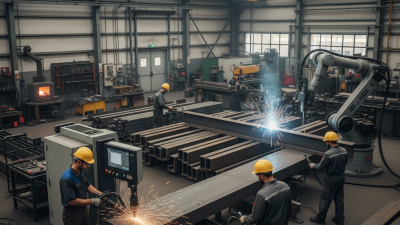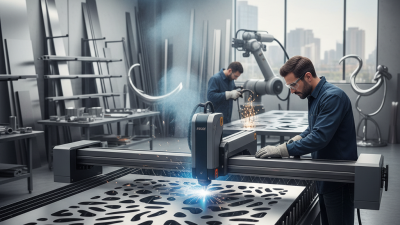
In the world of metalworking, stainless fabrication stands out as a vital skill. It combines precision, creativity, and technical knowledge. This craft shapes different industries, from construction to automotive. Mastering various fabrication techniques can enhance both quality and efficiency.
Understanding these methods allows for more effective project management. For every technique, there are specific challenges that may arise. There's no perfect process; each has room for improvement. Even seasoned fabricators can benefit from reevaluation of their approach.
Exploring the top stainless fabrication techniques can reveal new opportunities. With the right skills, professionals can elevate their work standards. This knowledge fosters innovation, ensuring adaptability in an ever-evolving industry. Stay informed and enhance your capabilities in stainless fabrication.
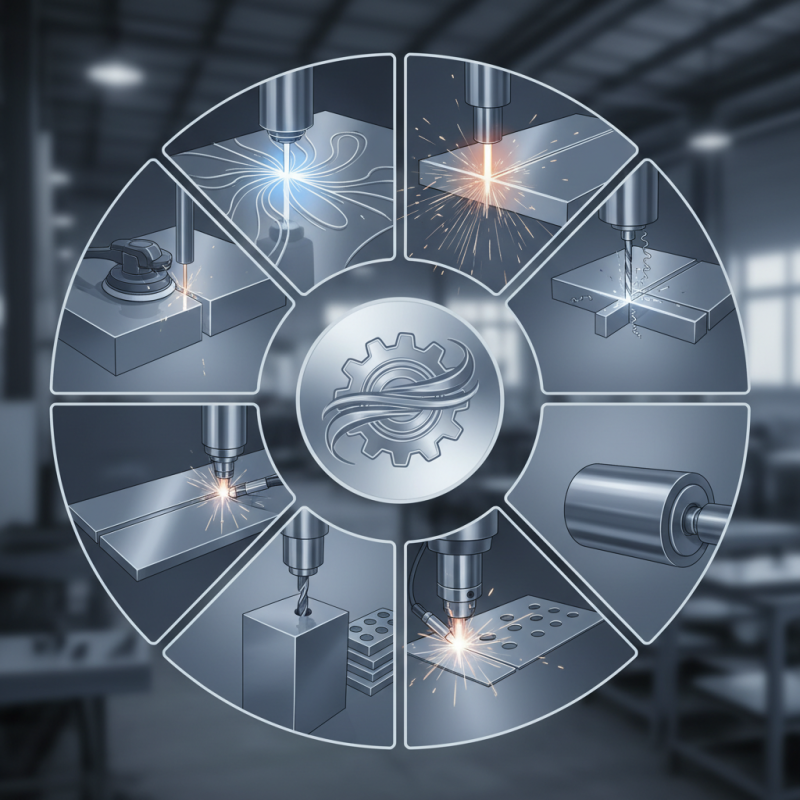
When it comes to cutting stainless steel, mastering essential techniques is crucial for any fabricator. Proper methods can improve efficiency and outcome quality. One important technique is laser cutting. It provides precision and can handle complex designs. However, it may not be the best choice for thicker materials.
Plasma cutting is another option, delivering speed, but producing rougher edges.
Tips: Always ensure your equipment is calibrated before starting a project. Regular maintenance extends tool lifespans and enhances performance. Keep in mind that workpiece thickness affects your technique choice. Selecting the right method is essential; sometimes, a combination offers the best solution.
Another effective approach is waterjet cutting. It uses high-pressure water mixed with abrasives. This method is versatile and leaves minimal thermal distortion. However, it can be slower than other techniques.
Always consider your project's specific requirements.
Tips: Take time to train your team on various techniques. Understanding each method’s strengths and weaknesses can optimize your workflow. Remember, learning from mistakes is part of the process. Reassessing past projects can guide future improvements for cutting stainless steel more effectively.
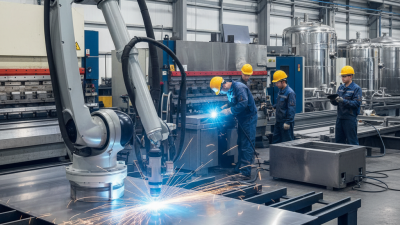
Welding stainless steel requires specialized techniques that enhance its properties. Stainless steel is renowned for its corrosion resistance and durability, making it a popular choice in various industries. According to the American Welding Society, stainless steel accounts for 25% of the total welding activity in the United States. Each welding method has its unique advantages and challenges.
TIG welding is often preferred for its precision. This method produces clean welds, minimizing contamination. However, it requires a skilled operator for optimal results. On the other hand, MIG welding is faster and easier for larger projects. The level of control is not as high, which can lead to defects. The Global Industry Analysts report that the demand for stainless steel fabrication is predicted to grow by 4.3% annually. This increase emphasizes the importance of mastering various welding techniques.
Despite advancements, common issues persist in stainless steel welding. For instance, heat distortion and welding defects can lead to structural weaknesses. Continual training and adherence to best practices are essential for quality outcomes. Industry experts recommend regular evaluations of equipment and processes to reduce errors.
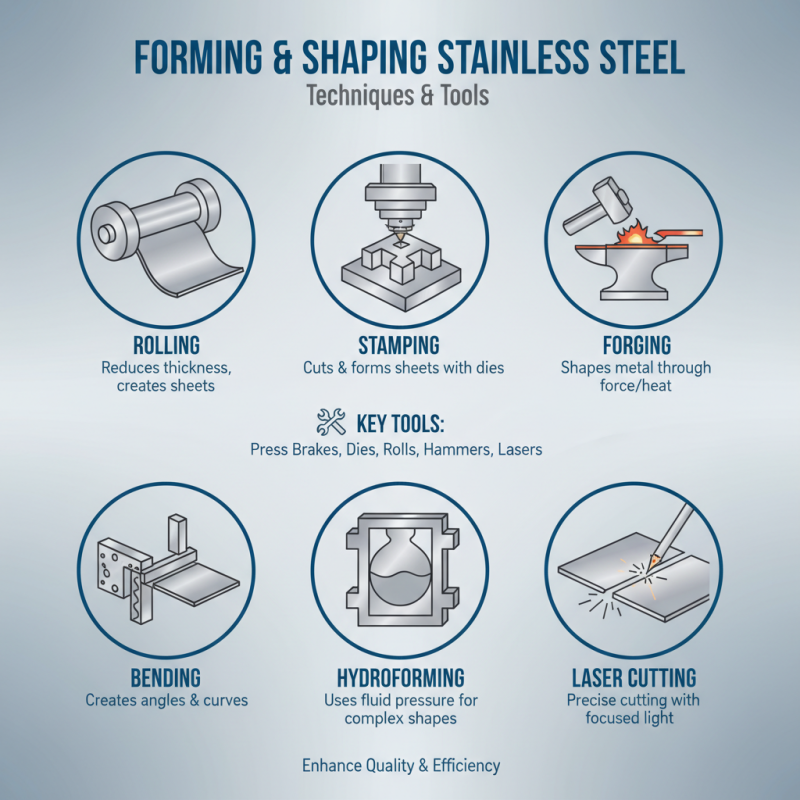
Forming and shaping stainless steel is crucial in manufacturing. Various techniques define how stainless steel is manipulated into desired shapes. Expanding knowledge about these techniques can enhance product quality and efficiency.
Hydraulic press forming is one common technique. It uses hydraulic force to shape materials. According to industry reports, hydraulic forming can achieve precision within ±0.5 mm. This precision ensures consistent quality in production. However, maintaining these tolerances requires regular equipment maintenance and skilled operators.
Another technique is laser cutting. This method allows for intricate designs with minimal material waste. Industry data shows that laser cutting can be up to 70% more efficient than traditional methods. However, its high initial setup cost can deter smaller operations.
When considering these techniques, it’s vital to balance costs and benefits. Some methods may offer higher precision but at a significant investment. Reflecting on operational needs and capabilities can lead to better choices.
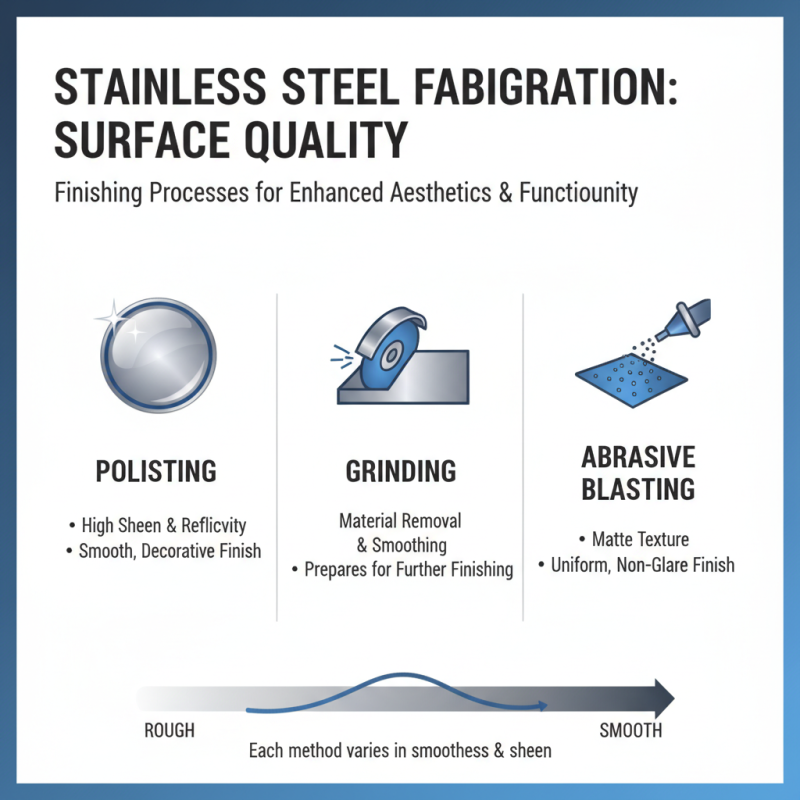
When it comes to stainless fabrication, achieving the desired surface quality is vital. The finishing processes play a significant role in determining both aesthetics and functionality. Techniques like polishing, grinding, and abrasive blasting can vastly improve the appearance of stainless steel. Each method varies in the level of smoothness and sheen it provides.
Polishing enhances the surface by removing small imperfections, but it's essential to choose the right polishing compound. Over-polishing can damage the surface, leading to reflections that reveal flaws. Tip: Always start with a finer grit and gradually move to coarser options. This approach helps achieve a balanced and smooth finish.
Grinding is another popular finishing method. It removes material quickly but can generate heat, risking warping. Using water or coolant can mitigate this risk. Remember, achieving that perfect finish often requires multiple attempts. It’s a learning process. Tip: Keep a log of your techniques and outcomes. This helps identify what works and what doesn’t.
When working with stainless steel, you may find riveting and adhesives to be effective techniques for joining. Riveting creates a permanent mechanical bond, making it ideal for structural applications. Data from the American Welding Society indicates that riveted joints can provide strength and reliability in environments where welding may fail. However, the challenge lies in ensuring the rivet holes are precisely aligned to prevent weak spots.
Adhesives also play a crucial role in stainless steel fabrication. They offer flexibility and are particularly effective for joining thin materials. A recent industry report shows that adhesives can reduce the overall weight of assemblies while maintaining strength. It's essential to select the right adhesive for the specific grades of stainless steel being used. Not all adhesives bond well with every type of stainless steel, leading to potential failures.
Tips: Always test adhesive bonds on scrap pieces before full application. Ensure surfaces are clean and free of contaminants. For riveting, consider using different rivet types to suit your project's needs. Monitor the environment where joining occurs. Humidity and temperature can affect both riveting and adhesive performance. Adapting techniques based on these factors can lead to improved results.
| Technique | Description | Best Practices | Applications |
|---|---|---|---|
| Riveting | A mechanical fastening technique that joins two pieces of stainless steel. | Ensure proper hole alignment and choose the right rivet type for load requirements. | Structural applications, automotive industries, and architectural features. |
| Adhesive Bonding | Using adhesives to bond stainless steel surfaces for a strong connection. | Surface preparation is critical; clean surfaces to ensure maximum adhesion. | Electronics, medical devices, and decorative applications. |
| Welding | Joining stainless steel parts through melting and fusing them together. | Use appropriate filler materials and control heat input to minimize distortion. | Manufacturing, construction, and pipe fabrication. |
| Laser Cutting | Using a laser to cut stainless steel with high precision. | Optimize power settings and cutting speed for material thickness. | Sheet metal fabrication and custom part manufacturing. |
| Bending | Forming stainless steel into angles and curves without breaking. | Use appropriate tooling and check bend radii for desired outcomes. | Metal fabrication, enclosures, and framework components. |
| Stamping | Creating shapes through pressing a hardened tool against stainless steel. | Maintain tooling sharpness and adjust pressures based on material thickness. | Automotive parts, appliances, and decorative items. |
| Machining | Removing material from stainless steel to achieve desired dimensions. | Select the right tools and speeds to reduce tool wear and deformation. | Precision components, fittings, and custom parts. |
| Polishing | Finishing process that enhances stainless steel's appearance. | Use the correct compounds and techniques for a mirror finish. | Decorative surfaces and food processing equipment. |
| Anodizing | Electrochemical process that enhances corrosion resistance. | Control the electrolyte composition and temperature for optimal results. | Architectural features and marine applications. |
| Surface Treatment | Processes like passivation to enhance surface properties. | Choose proper chemicals specific to stainless steel grades. | Food processing, medical instruments, and chemical industries. |