
Projects

Top Bellows Sealed Gate Valve Suppliers Worldwide?

Choosing the right Bellows Sealed Gate Valve supplier requires more than comparing prices or browsing polished catalogs. Industrial buyers must examine manufacturing experience, material control, testing procedures, and after-sales support. A reliable supplier should explain how each valve protects the process from external leakage. It should also provide traceable inspection records, pressure-test results, and clear documentation.

Valve engineering consultant Dr. Richard W. Greene states, “A bellows seal is only as dependable as the design, welding quality, and testing behind it.” This principle matters in chemical plants, pharmaceutical facilities, vacuum systems, and high-purity processing lines. Look closely at bellows material, cycle life, bonnet construction, end connections, and operating temperature. Small details often decide long-term performance. They are easy to overlook.

This guide reviews the top Bellows Sealed Gate Valve suppliers worldwide through a practical industry lens. It considers technical capability, customization, production consistency, certifications, delivery performance, and service responsiveness. Supplier rankings can never be completely universal. Operating conditions differ. A valve performing well in a clean steam system may struggle in abrasive or corrosive service. That is an uncomfortable reality, but it deserves attention. Buyers should confirm specifications with qualified engineers before selecting a manufacturer. Site experience, maintenance feedback, and independent inspection can reveal weaknesses that brochures do not show. The strongest suppliers are not always the largest. They are the ones that communicate limitations honestly, support proper installation, and deliver repeatable quality across projects.
Top Bellows Sealed Gate Valve Suppliers Worldwide?

What Is a Bellows-Sealed Gate Valve?

What Is a Bellows-Sealed Gate Valve?

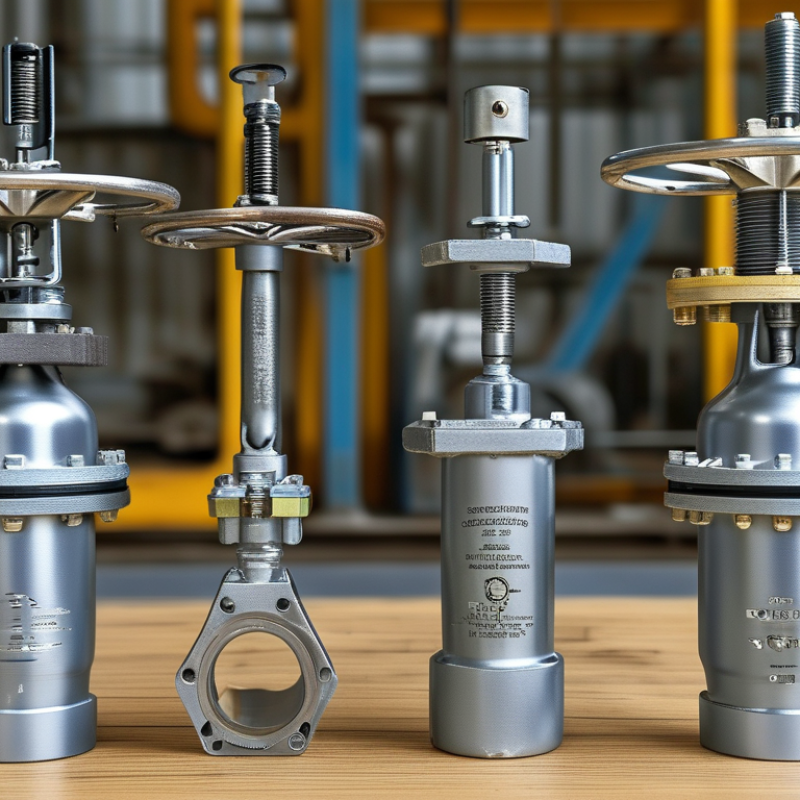
A bellows-sealed gate valve uses a flexible metal bellows around the stem. The bellows is welded to the stem and bonnet, creating a secondary pressure barrier. This design prevents process fluid from escaping through the stem packing. It is valuable when handling toxic, radioactive, corrosive, or high-purity media. The valve still controls flow with a rising or non-rising gate. However, it is not designed for rapid throttling. Frequent adjustment may damage the gate and shorten service life.

The 2024 Industrial Valves Market report by Grand View Research estimates the global market reached about USD 78.5 billion in 2023. It also projects continued growth through 2030. This figure covers many valve types, not bellows-sealed models alone. That distinction matters. Bellows valves usually cost more because they require precision welding, metal forming, and strict leak testing. In practical maintenance, technicians should inspect bellows movement, weld areas, and bonnet alignment. A small crack may remain invisible before pressure testing reveals it. Standards such as ASME B16.34 and ISO 15848 can support material selection and fugitive-emission verification, but compliance depends on the tested configuration.

Tips: Match the bellows material with temperature and chemistry. Confirm pressure ratings at operating temperature. Request helium leak-test records when zero-emission performance is critical. Do not assume a higher price guarantees longer service. Installation quality still matters.

How Bellows-Sealed Gate Valves Work and Where They Are Used

Bellows-sealed gate valves control fluid flow while limiting emissions around the stem. A flexible metal bellows is welded between the stem and bonnet. As the handwheel turns, the stem moves the gate without exposing its packing area to the process fluid. The bellows flexes repeatedly during operation. It also creates a secondary pressure boundary.

The design suits systems where leakage control matters. Common uses include chemical processing, pharmaceutical production, vacuum service, semiconductor equipment, and hot utility lines. Clean gases and hazardous fluids can pass through the valve with reduced stem leakage risk. Engineers still check pressure, temperature, media compatibility, and cycling frequency before selection. A valve that fits one service may fail in another.

Look closely at the welds. They deserve attention. During commissioning, technicians should inspect travel, flange alignment, and shutoff performance. Periodic checks can reveal unusual torque or slow movement. A damaged bellows may remain hidden until a pressure test exposes it. This is an uncomfortable limitation. Therefore, reliable suppliers should provide material certificates, test records, dimensional data, and clear maintenance guidance. Independent inspection can add confidence, especially for critical installations. Operators should also avoid using the valve as a throttling device. Repeated partial opening can accelerate gate and seat wear. Careful specification remains more valuable than a low purchase price.

How Bellows-Sealed Gate Valves Work and Where They Are Used

Relative suitability of bellows-sealed gate valves across common industrial services

Bellows-sealed gate valves use a welded metal bellows around the stem to create a secondary barrier against external leakage. They are commonly selected for toxic, hazardous, radioactive, ultra-pure, vacuum, and volatile media where minimizing fugitive emissions is important. Final valve selection depends on pressure, temperature, media compatibility, cycle frequency, and applicable standards.

Key Criteria for Comparing Global Valve Suppliers

Choosing a global bellows sealed gate valve supplier requires more than comparing catalog prices. Start with application experience. Ask whether the supplier has handled corrosive media, high vacuum service, or repeated thermal cycling. Specific project records matter more than broad marketing claims.

Technical evidence should guide the comparison. Review pressure ratings, temperature limits, bellows material, seat design, and actuator compatibility. Request dimensional drawings before approving a purchase.

Confirm how each valve is tested for shell strength and external leakage. Reliable suppliers provide traceable material certificates, inspection reports, and clear test records. Their quality system should support recognized industrial standards and consistent production controls.

Look closely at communication and after-sales support. Can engineers answer installation questions without vague promises? Are spare parts available across regions? Check lead times, packaging methods, warranty terms, and documentation quality.

A factory audit or live production inspection can reveal details that brochures hide. No comparison is flawless. Supplier websites may look polished, while response times remain disappointing. I would also compare total ownership cost, not only the initial quotation. A cheaper valve can become expensive when seals, training, or replacement parts are difficult to obtain. References from similar operating environments offer useful evidence, but they should be verified independently. Short answers can be revealing.

Leading Bellows-Sealed Gate Valve Suppliers Worldwide

Leading Bellows-Sealed Gate Valve Suppliers Worldwide

Leading bellows-sealed gate valve suppliers serve chemical, pharmaceutical, semiconductor, and cryogenic applications. Their products isolate fluids while limiting stem leakage during repeated operation. Grand View Research estimates the global industrial valves market exceeded USD 78 billion in 2023. The report also identifies energy, water, and process industries as major demand centers. This growth increases supplier competition, but product quality still varies.

Experienced suppliers usually provide welded or formed bellows, pressure-tested bodies, and traceable material certificates. Buyers should examine cycle-life records, shell-test results, and low-temperature performance. ISO 15848-1 supports fugitive-emission testing for industrial valves. API and EN requirements may also apply, depending on the installation. A credible supplier explains these requirements before quoting. That practical discussion matters.

Do not judge suppliers by catalogue depth alone. Ask for inspection reports, spare-part lead times, and field references from similar services. Some suppliers publish impressive leakage figures, yet omit test temperature or cycle conditions. That is a weakness. Reports from MarketsandMarkets and other valve-industry analysts show continued investment in automated and process-control systems, increasing demand for dependable isolation equipment. However, market forecasts are not proof of individual supplier performance. I would still request witnessed testing, review welding qualifications, and confirm after-sales support across the installation region. Reliability is built in the details.

Top Bellows Sealed Gate Valve Suppliers Worldwide? - Leading Bellows-Sealed Gate Valve Suppliers Worldwide

Supplier evaluation table based on commonly specified technical requirements, international standards, and typical procurement criteria for bellows-sealed gate valves.

Evaluation Dimension Common Worldwide Requirement Relevant Standard or Reference Typical Supplier Evidence Purchasing Consideration
Valve Construction Bolted-bonnet or pressure-seal gate valve with a welded metal bellows assembly around the stem. API 600ASME B16.34 General arrangement drawing, sectional drawing, and bill of materials. Confirm whether the bellows is welded, the stem is guided, and the valve includes secondary stem packing.
Nominal Size Range NPS 2 to NPS 24 is a commonly requested range; larger sizes may be available as engineered products. ASME B16.10ISO 5752 Published dimensional tables and face-to-face measurements. Check the actual size range for the required pressure class and end connection.
Pressure Class ASME Class 150, 300, 600, 900, 1500, and 2500 are commonly specified for industrial gate valves. ASME B16.34 Pressure-temperature rating tables and design calculations. Verify the rating at the operating temperature rather than selecting by class alone.
Body and Bonnet Materials Carbon steel, austenitic stainless steel, duplex stainless steel, and low-temperature alloys are commonly used. ASTM Material SpecificationsASME B16.34 Material certificates, heat numbers, and positive material identification records. Match the body, trim, bellows, and bolting materials to corrosion, temperature, and fluid conditions.
Bellows Material Stainless steel bellows are widely used; nickel alloys may be selected for severe corrosion or high-temperature service. Design SpecificationNACE Requirements Where Applicable Bellows material certificate, forming method, weld procedure, and cycle-life data. Request the rated stroke cycles and confirm compatibility with the process medium.
End Connections Raised-face, ring-type-joint, butt-weld, and socket-weld ends are common depending on size and service. ASME B16.5ASME B16.47ASME B16.25 End-connection drawings, flange dimensions, and welding-end details. Confirm flange series, facing, bore, wall thickness, and piping compatibility.
Pressure Testing Shell and seat testing should be completed before shipment, with test results retained for traceability. API 598ISO 5208 Certified hydrostatic and seat-test reports identifying the valve serial number. Specify test medium, duration, allowable leakage, and witness or inspection requirements.
Fugitive Emissions Low-emission performance is typically required for hazardous, toxic, volatile, or environmentally regulated fluids. ISO 15848-1API 624 Where Applicable Type-test certificate, emission-class declaration, and packing or bellows design details. Define the test temperature, number of mechanical cycles, leakage class, and acceptance criteria.
Fire-Safe Design Fire-safe construction may be required in hydrocarbon processing and other combustible-fluid services. API 607API 6FA Where Applicable Fire-test certificate and details of the secondary sealing arrangement. Confirm whether the complete valve configuration, including the bellows and actuator interface, is covered.
Quality Management A documented quality system and controlled manufacturing process are expected for critical industrial valves. ISO 9001 Current certificate, inspection and test plan, nonconformance process, and calibration records. Check certificate validity, manufacturing location, subcontractor controls, and traceability practices.
Inspection and Certification Independent inspection may be required for pressure-retaining parts, welding, NDE, and final testing. EN 10204 3.1/3.2Project ITP Material certificates, weld maps, radiography or dye-penetrant reports, dimensional reports, and final dossiers. Agree on document requirements before production to avoid delays during shipment or commissioning.
Typical Applications Refining, chemical processing, power generation, cryogenic support systems, and high-purity process lines. Process SpecificationP&ID Requirements Application references described by service type, fluid, pressure, temperature, and valve configuration. Evaluate proven service experience for the exact medium and operating conditions, not only general valve experience.
Commercial Lead Time Stock or standard configurations may ship faster than custom materials, special testing, or large pressure classes. Project ScheduleManufacturing Plan Written production schedule, manufacturing milestones, inspection dates, and shipping commitment. Request a confirmed lead time after technical approval because bellows testing and documentation can affect delivery.
After-Sales Support Technical support should cover installation, commissioning, spare parts, repair guidance, and warranty handling. Supplier Service Procedure Maintenance manual, spare-parts list, warranty terms, and service-contact structure. Confirm availability of replacement bellows assemblies, packing kits, gaskets, and qualified service personnel.

Note: The listed ranges and standards represent commonly used industry references, not a certification of any individual supplier. Final selection should be based on the approved datasheet, applicable piping code, process conditions, inspection plan, and valid supplier documentation.

How to Select the Right Supplier for Your Application

Top Bellows Sealed Gate Valve Suppliers Worldwide?

Choosing the right bellows sealed gate valve supplier requires more than comparing prices. Define the application first. Note the medium, pressure, temperature, leakage limit, valve size, and operating frequency. A supplier should explain how its bellows design handles thermal cycling and repeated movement. Ask for material certificates, dimensional drawings, pressure-test records, and documented leak-test results. These details reveal more than polished sales language.

Experience matters in difficult systems. Review the supplier’s history with vacuum lines, corrosive gases, high-purity service, or severe temperature changes. Request relevant project references, not generic testimonials. Confirm production controls, weld inspection methods, spare-part availability, and technical support after delivery. Clear traceability is essential when a valve enters a critical process. It should connect each unit to materials, inspections, and final testing.

Do not ignore communication quality. Slow or vague answers may become costly during installation. A capable supplier will ask precise questions before recommending a valve. That is a useful sign. Still, no checklist is perfect. Some specifications remain uncertain until the system operates under real conditions. A trial unit, factory acceptance test, or independent inspection can reduce that risk. The cheapest quotation may exclude testing, custom connections, or future maintenance support. Read every assumption carefully. Small omissions often cause large delays.