
China has become a major sourcing hub for Grid On Inverter technology, serving residential, commercial, and utility-scale solar projects worldwide. Its manufacturers offer broad power ranges, competitive pricing, and increasingly mature monitoring systems.
This guide introduces ten China-based suppliers that global buyers may consider during supplier evaluation. The selection focuses on practical indicators, including conversion efficiency, MPPT performance, anti-islanding protection, IP ratings, certification support, warranty terms, and after-sales responsiveness. A reliable supplier should provide clear datasheets, traceable test reports, installation manuals, and stable firmware updates. Those details matter when an inverter operates under hot roofs, dusty farms, or unstable grid conditions.
Real purchasing experience also shows a less comfortable truth. A polished website does not guarantee consistent production quality. Sample testing, factory audits, reference projects, and contract review remain necessary. Buyers should compare actual field performance rather than relying only on headline efficiency figures. A 98% efficiency claim may look impressive, but thermal derating, standby consumption, and local service capacity can change the final result.
Conditions vary.
The ranking may also change as certifications, export policies, product generations, and company support networks develop. This article therefore presents a practical starting point, not an absolute verdict. It is designed to help importers, distributors, EPC contractors, and project owners ask sharper questions before selecting a Chinese Grid On Inverter supplier for global deployment.
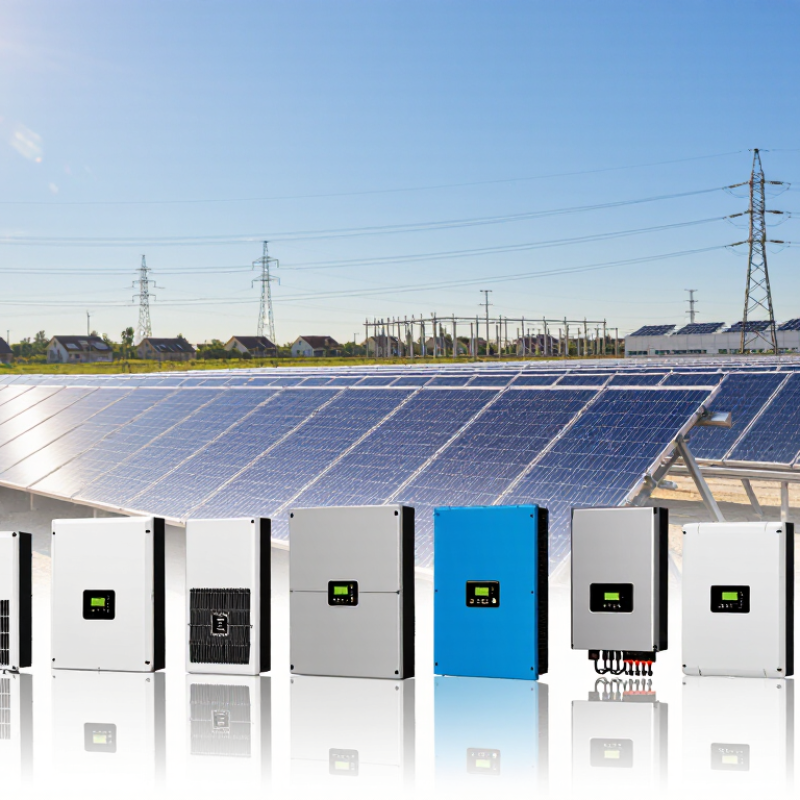
A grid-tie inverter converts direct-current electricity from solar panels into alternating-current power. It synchronizes voltage, frequency, and phase with the public grid. If the grid fails, its anti-islanding function should disconnect the system. This protects maintenance workers and limits unsafe backfeed. The inverter also tracks maximum power when clouds pass over a roof. The details matter.
Chinese suppliers matter because China has a deep solar manufacturing ecosystem. Many manufacturers can source semiconductors, cooling parts, monitoring devices, and enclosures nearby. This often supports competitive pricing and shorter production cycles. Some suppliers also adapt firmware, connectors, and communication systems for different grid requirements. However, manufacturing scale alone does not prove reliability. A polished factory visit can still hide weak field support.
Global buyers should request independent test reports, local grid-code compliance, protection settings, efficiency curves, and clear warranty terms. They should also check replacement-part availability and remote monitoring performance. Ask how firmware updates are controlled. Ask who responds after installation. A low purchase price may become expensive when troubleshooting takes weeks. It is easy to overvalue specifications. Real performance depends on installation quality, heat management, network stability, and technical support. Even careful evaluations can miss problems that appear only after a hot summer or repeated voltage fluctuations.
Grid-tie inverters convert solar-panel DC electricity into AC electricity, synchronize with the utility grid, and enable safe power export. The rapid growth of global solar installations increases demand for reliable, efficient, and scalable inverter supply chains.
Global annual solar photovoltaic capacity additions, 2020–2024. Rising deployment highlights the expanding market opportunity for grid-tie inverter manufacturers and international buyers. Source: IRENA, Renewable Capacity Statistics 2025.
A strong supplier evaluation begins with technical evidence, not a polished website. Request current test reports, applicable grid certifications, and factory-issued serial number records. Verify each document through the issuing laboratory or certification database. A certificate with an unclear scope deserves caution.
Examine the inverter’s operating details. Check maximum DC voltage, MPPT voltage range, overload capacity, efficiency curves, and protection functions. Ask for performance data at high temperatures, not only room temperature. A sample should run under realistic conditions, such as rooftop heat, unstable sunlight, and repeated startup cycles. Inspect cable terminals, cooling paths, enclosure seals, and display visibility. Small weaknesses often appear there.
Factory capability matters as much as the product. Review incoming-component checks, aging-test procedures, traceability, and final inspection records. Ask who handles firmware updates and technical support after installation. Response time should be measured in hours, not vague promises. Clarify warranty exclusions, spare-parts availability, minimum order quantities, and lead times in writing. Independent audits can reveal gaps between production claims and daily practice. A low quotation may hide weaker capacitors or limited service capacity. That possibility should be tested, not assumed. I would also compare two samples from different batches, because one successful unit proves very little. A supplier may meet specifications while still communicating poorly. That is an operational risk.
China’s top 10 grid-tie inverter suppliers for global buyers are often compared by certification, production control, and export experience. A reliable supplier should provide clear test reports, current grid-code compliance, and traceable serial numbers. Look for compliance with IEC 62109, IEC 62116, and the destination market’s connection rules. Certifications alone are not enough.
The strongest suppliers usually offer residential, commercial, and utility-scale models. Their factories should explain thermal design, MPPT performance, surge protection, and communication options in practical terms. Ask for efficiency curves at partial load, not only the highest advertised figure. Request samples before placing a large order. A one-week test can reveal noisy fans, unclear software, or unstable monitoring.
Service quality matters after installation. Check spare-part policies, remote diagnosis, firmware procedures, and response times across time zones. A capable engineering team can help adapt settings for local voltage and frequency requirements. Factory audits also reveal warehouse discipline, testing equipment, and final inspection habits. No supplier is perfect. A polished catalog may still hide slow technical support. I would compare warranty wording carefully, especially labor coverage and replacement procedures. Global buyers should also verify packaging strength, shipping documents, and training materials before signing a purchase agreement.
China Top 10 Grid On Inverter Suppliers for Global Buyers
A credible top-ten comparison should begin with product evidence, not sales claims. Check rated output, MPPT range, overload capacity, conversion efficiency, and operating temperature. A 10 kW unit may perform differently under heat, dust, or unstable grid conditions. Ask for independent test reports and sample data from comparable installations. Short sentences matter. So does field experience.
Certification must match the destination market. Review IEC test reports, CE documentation, and applicable grid-connection standards. Some regions also require UL, VDE, EN, or local utility approval. Confirm whether certificates cover the exact model, firmware, and power class. An attractive certificate may be outdated. That detail is easy to miss. Buyers should also inspect IP ratings, surge protection, anti-islanding functions, and remote monitoring security.
Export capability needs equal attention. Compare warranty terms, spare-part storage, packaging quality, lead times, and customs documentation. Ask how technical support handles language, time zones, and firmware updates. Factory audits can reveal testing equipment and production discipline better than brochures. Still, audits are not perfect. A supplier may perform well during one visit and struggle later. Trial orders, reference checks, and contract-based response times create stronger evidence. For a fair comparison, score product performance, certification validity, service reliability, and delivered cost separately. Low price alone can become expensive after installation.
Selecting a Chinese grid-tied inverter supplier requires more than comparing prices. Global buyers should match each supplier with local grid codes, voltage ranges, certification requirements, and installation conditions. Ask for current test reports from recognized laboratories, not only scanned certificates. Review anti-islanding protection, efficiency data, temperature performance, and enclosure ratings. A supplier with clear technical documents usually creates fewer surprises during approval.
Visit the factory, inspect production records, and request a sample before placing a large order. Check component traceability, burn-in testing, packaging strength, and spare-parts planning. Ask how faults are handled across time zones. Response speed matters when an inverter stops during peak sunlight. Warranty terms should define repair procedures, replacement timing, and transport responsibilities. A low quotation can be useful. It can also hide quality or service gaps. Even an impressive factory tour is not proof of consistent production.
Tips: Compare at least three qualified suppliers using the same checklist. Verify certificates with the issuing body. Test software updates and monitoring functions before shipment. Confirm payment terms, delivery dates, and inspection rights in writing. Do not rely on one successful sample; repeat testing when the order changes. Some buyers focus heavily on hardware and neglect after-sales support. That mistake is common, and expensive to correct.
Anonymized supplier comparison based on commonly published technical specifications, international compliance requirements, export capability indicators, and practical buyer-selection criteria. Commercial terms and certifications should be verified directly before purchase.
| Supplier Profile | Typical Product Range | System Type | Maximum Efficiency | Protection Rating | Common International Standards | Typical Warranty | Export Suitability | Best Buyer Fit |
|---|---|---|---|---|---|---|---|---|
| Supplier Profile 01 | 3–110 kW three-phase string inverters | On-grid commercial and industrial systems | Up to 98.6% | IP65–IP66; Type II surge protection commonly available | IEC 62109-1/-2, IEC 62116, IEC 61727, CE, EN 50549 | 5 years standard; extensions commonly available | High | Commercial rooftop EPC projects |
| Supplier Profile 02 | 1–25 kW single-phase hybrid and grid-tied units | Residential and small commercial installations | Up to 98.4% | IP65; AFCI and DC insulation monitoring options | IEC 62109, IEC 62116, IEC 61727, CE, VDE-AR-N 4105 | 5 years standard | High | Residential distributors and installers |
| Supplier Profile 03 | 30–125 kW three-phase string inverters | Large commercial rooftops and ground-mounted arrays | Up to 98.8% | IP66; integrated DC and AC surge protection options | IEC 62109, IEC 61727, IEC 62116, CE, EN 50549 | 5 years standard; up to 10 years by contract | High | High-volume solar developers |
| Supplier Profile 04 | 2–60 kW single-phase and three-phase models | Residential, agricultural, and light commercial systems | Up to 98.5% | IP65; operating temperature commonly −25°C to +60°C | IEC 62109, IEC 62116, IEC 61727, CE, UKCA | 5 years standard | Medium–High | Overseas wholesalers and regional installers |
| Supplier Profile 05 | 50–255 kW utility-scale string inverters | Utility, industrial, and large ground-mounted projects | Up to 99.0% | IP66; enhanced thermal management and surge protection | IEC 62109, IEC 61727, IEC 62116, CE, EN 50549 | 5 years standard; project-specific extensions | High | Utility-scale EPC contractors |
| Supplier Profile 06 | 3–40 kW three-phase string inverters | Small commercial and distributed generation | Up to 98.6% | IP65; dual MPPT configurations commonly offered | IEC 62109, IEC 62116, IEC 61727, CE, VDE-AR-N 4105 | 5 years standard | Medium–High | Small and medium-sized EPC companies |
| Supplier Profile 07 | 1–10 kW microinverters and compact string inverters | Residential module-level and small rooftop systems | Up to 97.5% for microinverter class | Outdoor-rated IP67 options; module-level monitoring support | IEC 62109, IEC 62116, IEC 61727, CE, selected regional grid codes | 10–25 years for selected microinverter lines | Medium–High | Residential solar specialists |
| Supplier Profile 08 | 5–100 kW grid-tied and storage-ready inverters | Hybrid commercial and backup-power systems | Up to 98.2% | IP65; battery, anti-islanding, and remote shutdown options | IEC 62109, IEC 62116, IEC 61727, CE, UN 38.3 interface compatibility | 5 years standard | High | Markets transitioning from on-grid to storage |
| Supplier Profile 09 | 10–75 kW three-phase string inverters | Commercial rooftops in hot and humid climates | Up to 98.7% | IP66; conformal coating and wide-temperature options | IEC 62109, IEC 61727, IEC 62116, CE, EN 50549 | 5 years standard; optional extended coverage | Medium–High | Export buyers requiring environmental durability |
| Supplier Profile 10 | 100–350 kW high-power string inverters | Large industrial and utility-scale solar plants | Up to 99.0% | IP66; high current MPPT and advanced grid-support functions | IEC 62109, IEC 61727, IEC 62116, CE, EN 50549, selected utility-grid codes | 5 years standard; long-term service contracts available | High | Large international project developers |