Top Steel Beam Fabrication Tips for Global Buyers?
In the competitive realm of steel beam fabrication, global buyers face numerous challenges. Navigating supplier options and quality standards can be daunting. It's crucial to understand what makes a reliable fabrication partner. Costs can fluctuate significantly based on material and labor, impacting overall project budgets.
Buyers often overlook the importance of material certification. High-quality steel is vital for structural integrity. Yet, not every supplier guarantees compliance with international standards. Verifying a supplier's credentials is an essential step. Regular communication is key to ensure alignment with project timelines and expectations.
Attention to detail can make or break a project. Errors in fabrication may lead to costly delays or safety issues. A pivotal aspect of successful steel beam fabrication is thorough planning and quality control. Choosing the right partner involves evaluating past performance and client feedback. Reflection on these factors can guide buyers toward making informed decisions.
Understanding Steel Beam Fabrication: Key Processes and Techniques
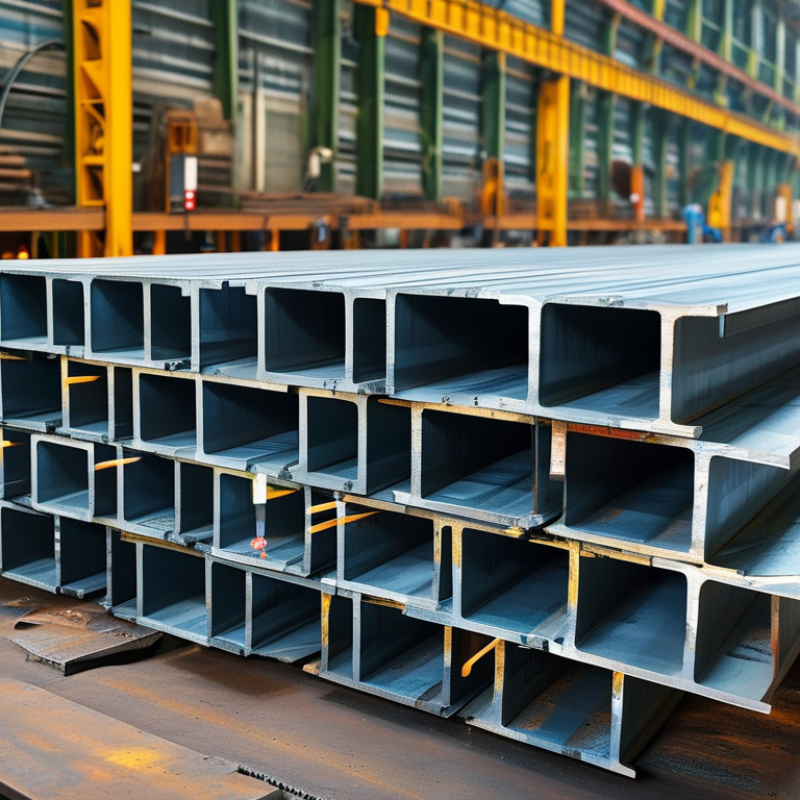
Steel beam fabrication is both an art and a science. Understanding the fundamental processes is crucial for global buyers. The fabrication begins with design and engineering. This stage often involves detailed drawings and structural models. Quality control is essential here. Mistakes at this stage can lead to structural failures later.
Cutting and welding are significant techniques in steel beam fabrication. Precision is critical during these processes. Misalignment can lead to weak joints, costing time and money. Using proper equipment is important. Skilled labor is required to ensure accuracy and safety. Many buyers overlook these aspects, assuming all fabricators follow the same standards.
Post-fabrication inspection is vital. It ensures the beams meet required specifications and tolerances. Defects need to be identified early. Regular audits can improve reliability. Buyers may find foreign markets challenging due to varying standards. Emphasizing quality can sometimes seem like an abstract goal, yet it is necessary. Communication between buyers and fabricators is key to bridging these gaps.
Importance of Material Selection: How Steel Grades Affect Fabrication Quality
Choosing the right steel grade is crucial for successful beam fabrication. Different grades possess unique properties that impact strength, ductility, and weldability. Higher-grade steel often provides better performance in demanding environments, but it can also complicate the fabrication process. Hence, understanding how these grades affect your project is essential.
Tip: Always verify the specifications of the steel you intend to use. Not all suppliers provide the same quality. Look for reliable certifications that affirm the grade. Testing samples before committing to large orders can save you from costly mistakes.
Remember, the fabrication process also relies on proper handling and preparation of materials. Rust, impurities, or miscommunications can compromise quality. Frequent checks during various stages can shed light on potential issues. It's okay to reassess and pivot if your initial choices lead to challenges. Prioritizing the right materials and processes can prevent greater headaches down the line.
Advanced Welding Techniques: Enhancing Structural Integrity in Steel Beams
Advanced welding techniques play a crucial role in enhancing the structural integrity of steel beams. According to a report by the American Institute of Steel Construction, nearly 40% of structural failures in steel frameworks arise from poor welds. Using modern welding methods can significantly reduce these risks.
One emerging technique is the use of flux-cored arc welding (FCAW), which offers greater penetration and less distortion. This method allows welders to work in various positions and environments, which can be vital for complex projects. A study from the International Institute of Welding indicates that FCAW can boost weld efficiency by up to 25%. However, improper training can lead to inconsistencies and weak joints, emphasizing the need for skilled labor.
Another notable advancement is robotic welding, which improves precision and repeatability. This automation reduces human error but necessitates regular maintenance. An analysis by the Robotics Industries Association shows that 60% of companies report issues due to hardware malfunctions. Therefore, while robotic systems enhance quality, they require careful management to avoid downtime. These intricacies underscore the ongoing need for continual improvement in welding practices within the steel fabrication sector.
Top Steel Beam Fabrication Techniques
Global Market Trends: Demand and Supply Dynamics in Steel Beam Fabrication
The global market for steel beam fabrication is currently experiencing significant shifts. According to a recent report by the World Steel Association, steel demand is projected to reach 1.8 billion tons by 2025. Emerging economies are driving this growth, particularly in Asia and Africa. Here, infrastructure projects fuel the need for steel beams, which play a critical role in construction.
However, supply dynamics reveal a complex picture. The International Iron and Steel Institute noted a 6% reduction in raw material availability in 2023. This shortage causes fluctuations in steel prices, impacting fabrication costs. In response, many manufacturers are exploring innovative fabrication methods. For instance, advanced automation can enhance efficiency and reduce waste, addressing both supply issues and environmental concerns.
Buyers should consider these trends carefully. Understanding regional differences in demand can guide procurement strategies. Additionally, analyzing local suppliers' capabilities in meeting quality standards is crucial. There are challenges, but with strategic planning, buyers can navigate the evolving landscape effectively.
Top Steel Beam Fabrication Tips for Global Buyers
| Dimension |
Material Grade |
Weight (kg/m) |
Typical Applications |
Market Demand (2023) |
| I-Beam 203 x 133 x 30 |
S235JR |
36.1 |
Commercial buildings, bridges |
High |
| H-Beam 300 x 300 x 10 |
S355JR |
67.4 |
Industrial structures, warehouses |
Medium |
| T-Beam 150 x 100 x 10 |
S275JR |
25.4 |
Support beams for flooring |
Low |
| Channel Beam 100 x 50 x 5 |
S235JR |
14.3 |
Support frames, partitions |
Medium |
| I-Beam 356 x 171 x 40 |
S335JR |
53.5 |
High-rise buildings, bridges |
High |
Best Practices for Quality Control: Ensuring Precision in Steel Beam Production
Quality control in steel beam production is critical for ensuring precision. According to a report by the American Institute of Steel Construction (AISC), proper inspection and testing can reduce material defects by over 30%. Adopting stringent quality control measures enhances structural integrity and raises safety standards.
One effective practice is implementing regular audits of fabrication processes. This can identify potential issues early. For example, a steel beam fabrication facility might conduct ultrasonic testing to detect internal flaws. Operators must be trained to use this technology effectively, increasing overall reliability in production.
Moreover, maintaining clear documentation throughout the fabrication process is vital. It creates a traceable history of each beam. A recent survey indicated that 60% of quality-related failures stem from inadequate documentation practices. By focusing on clear, organized records, companies can significantly mitigate risks and improve outcomes. Emphasizing these best practices can lead to better standards in the global steel market.