What is Stainless Fabrication Its Process Benefits and Applications
In the modern manufacturing landscape, stainless fabrication has emerged as a pivotal component across various industries, ranging from automotive to construction and beyond. Defined as the process of transforming stainless steel into finished components through cutting, bending, and assembling, stainless fabrication offers a unique blend of durability and aesthetic appeal. According to a report by the Global Market Insights, the stainless steel market is projected to exceed $200 billion by 2026, driven largely by its increasing application in the food service, chemical processing, and healthcare sectors, where hygiene and corrosion resistance are critical.
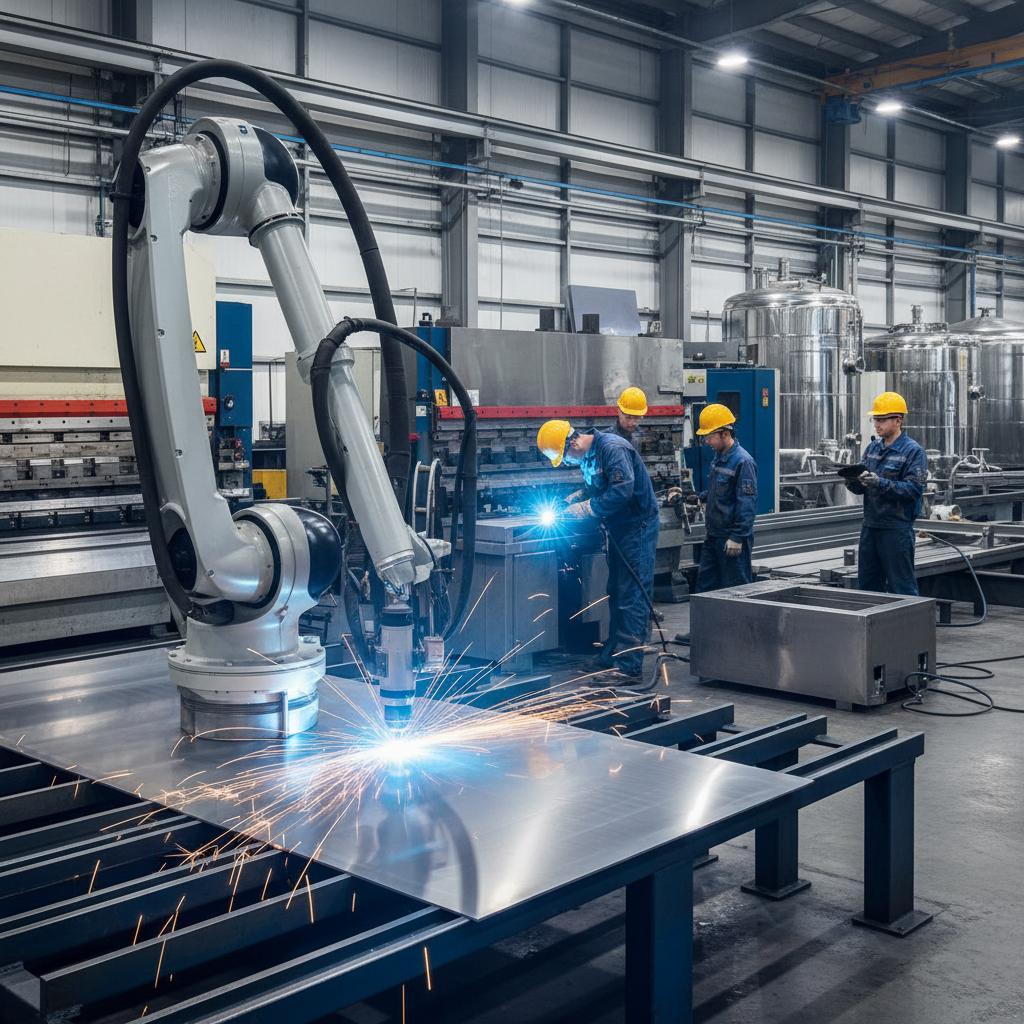
The benefits of stainless fabrication extend far beyond its resilience. It enhances the strength and longevity of the manufactured products, thereby reducing maintenance costs and downtime. With the rise in environmental consciousness, the recyclability of stainless steel also positions it favorably within the circular economy. Furthermore, advancements in technology, such as laser cutting and robotic welding, have streamlined the fabrication process, resulting in increased efficiency and precision while meeting the growing demand for customized solutions. As businesses seek to optimize their operations and minimize environmental impact, stainless fabrication stands out as a reliable choice, underscoring its indispensable role in contemporary manufacturing.
Understanding Stainless Fabrication: Definitions and Key Concepts
Stainless fabrication encompasses a variety of processes that convert stainless steel into finished products. This involves techniques such as cutting, bending, and assembling, which are essential for diverse applications ranging from construction to consumer goods. Understanding these key concepts can significantly enhance the effectiveness of projects and lead to superior outcomes in terms of durability and aesthetics.
One benefit of stainless fabrication is its **adaptability**; it allows for customization to meet specific industry needs. For instance, according to recent industry metrics, successful fabrication relies heavily on measuring performance through **twelve key indicators**, which can evaluate efficiency and quality. Adopting advanced manufacturing practices, like digital control systems, can further drive productivity while reducing waste.
Tip: When considering stainless fabrication projects, always define clear metrics for success to streamline processes and ensure quality outcomes. Additionally, leveraging cloud-based technologies can aid in managing data more efficiently, ultimately leading to enhanced collaboration and innovation in fabrication workflows. Stay updated on the latest technological advancements that transform traditional fabricating methods and foster improved results in your projects.
The Stainless Fabrication Process: Step-by-Step Guide
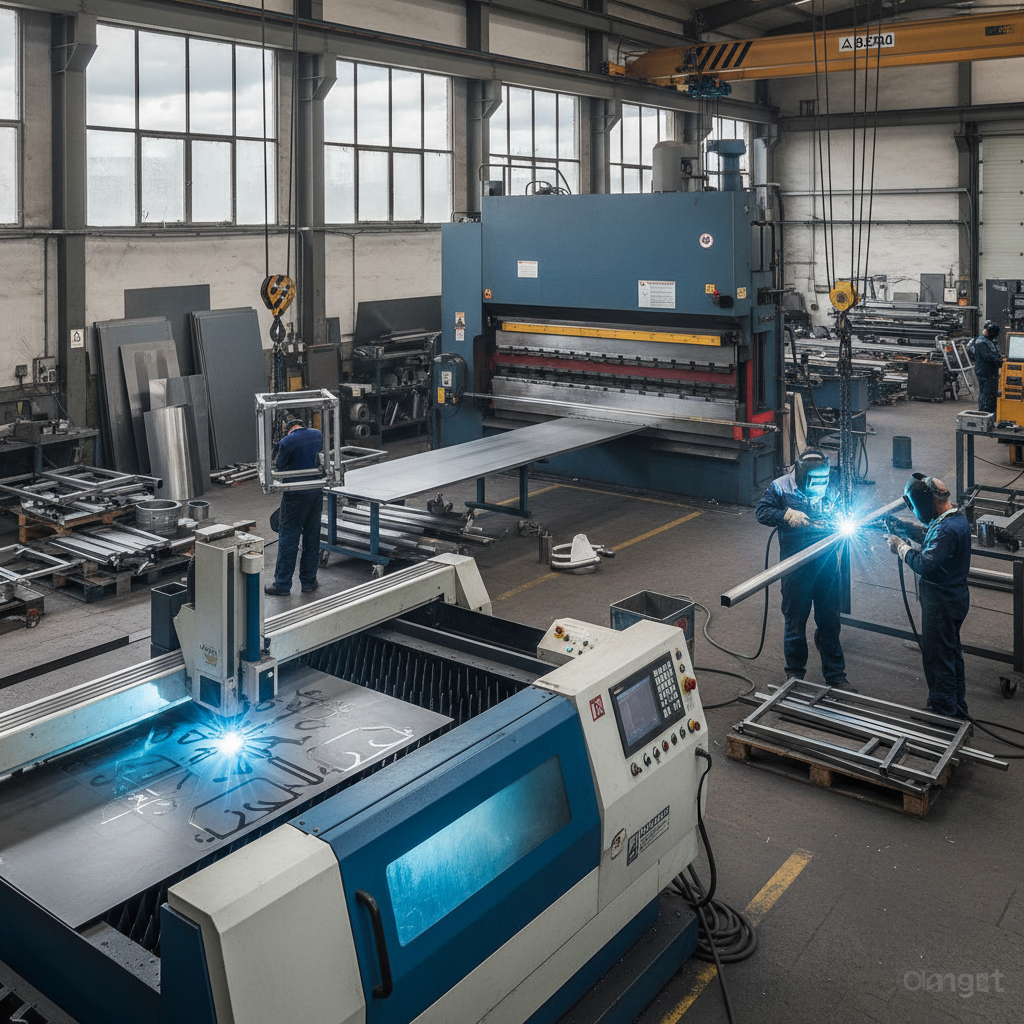
Stainless fabrication involves a series of processes that transform stainless steel into finished products suitable for various applications. The fabrication process typically begins with the selection of high-quality stainless steel, which is essential for ensuring durability and resistance to corrosion. Once the material is chosen, it undergoes cutting, where large sheets are divided into manageable sizes. This step is crucial for preparing the raw material for more intricate procedures.
Following the cutting phase, the next step is shaping, which can involve techniques such as bending, welding, and machining. Each method is carefully selected based on the design specifications and the intended use of the end product. After shaping, finishing processes like polishing, grinding, and surface treatment are employed to enhance the appearance and functionality of the stainless steel product. These stages not only improve aesthetics but also protect against environmental damage, making stainless fabrication an essential process in industries ranging from construction to culinary equipment.
Benefits of Stainless Fabrication in Various Industries
Stainless steel fabrication plays a critical role across various industries, offering numerous advantages that enhance efficiency and product quality. This process, which includes cutting, bending, and assembling stainless steel materials, contributes to the creation of high-durability products. According to a recent market analysis, the metal fabrication equipment market is projected to reach significant growth, with an expected valuation of over $300 billion by 2026. The demand for stainless fabrication is particularly pronounced in sectors such as automotive, aerospace, and food processing, where material integrity and resistance to corrosion are paramount.
The benefits of stainless fabrication extend beyond mere durability. Its adaptability allows for innovative designs and solutions that can meet diverse industry needs. For example, in the food industry, stainless steel’s hygienic properties ensure compliance with health regulations, making it safer for food storage and preparation. Similarly, the automotive sector benefits significantly from the lightweight yet strong nature of stainless steel, which enhances fuel efficiency without compromising safety.
**Tips for Maximizing Stainless Fabrication Benefits:**
1. Prioritize quality materials to ensure longer-lasting products.
2. Stay updated on the latest fabrication technologies to maintain competitiveness.
3. Invest in skilled workforce training to enhance precision and reduce waste during production.
What is Stainless Fabrication? Its Process, Benefits, and Applications
| Industry |
Process Used |
Benefits |
Common Applications |
| Food and Beverage |
Welding, Cutting, Forming |
Corrosion Resistance, Hygiene |
Food Processing Equipment, Storage Tanks |
| Construction |
Metal Fabrication, Welding |
Durability, Aesthetic Appeal |
Structural Elements, Handrails |
| Pharmaceuticals |
Precision Machining, Polishing |
Chemical Resistance, Cleanability |
Storage Vessels, Piping Systems |
| Aerospace |
CNC Machining, Metal Stamping |
High Strength-to-Weight Ratio |
Aircraft Components, Fasteners |
| Automotive |
Laser Cutting, Welding |
Lightweight, Corrosion Resistance |
Exhaust Systems, Chassis Parts |
Common Applications of Stainless Fabricated Products
Stainless fabrication plays a crucial role across various industries, driving the demand for durable and corrosion-resistant materials. One of the most common applications of stainless fabricated products is in the food and beverage industry, where hygiene and material integrity are paramount. According to a report by the International Stainless Steel Forum (ISSF), stainless steel is used in 70% of food processing equipment because it resists corrosion and can withstand high temperatures, making it ideal for the production of sanitary surfaces and equipment.
Another significant application lies in the construction and architectural sectors, where stainless fabricated products enhance both aesthetic appeal and structural integrity. The Global Stainless Steel Market report indicates that approximately 30% of stainless steel is utilized in building and construction. Its applications range from structural beams to decorative elements, providing not only strength but also resistance to environmental elements. As urbanization continues to grow, the demand for stainless steel in architectural applications is expected to rise, showcasing its versatility and essential role in modern development.
Common Applications of Stainless Fabricated Products
Best Practices for Stainless Fabrication: Tips for Success
When it comes to stainless fabrication, adhering to best practices is crucial for ensuring optimal results. First,
it’s important to select the right grade of stainless steel for your project. Understanding the properties of different
grades will allow you to choose the material that best meets the operational environment and end-use requirements. Additionally, maintaining a
clean workspace is essential to prevent contamination, which can negatively impact the quality of the final product.
Another key practice involves investing in proper tools and equipment. Ensuring that your machinery is well-maintained and suited for stainless fabrication
can enhance efficiency and precision in the manufacturing process. Furthermore, employing skilled technicians who are
trained in stainless steel handling techniques will minimize errors and maximize productivity. Using the correct welding methods and finishing techniques
is equally vital to achieving a high-quality outcome that meets industry standards. By focusing on these
best practices, businesses can optimize their stainless fabrication processes and produce superior products.