Why You Need A Carbon Monoxide Detector For Your Safety?
Carbon monoxide (CO) is a silent killer. It is odorless and colorless, making it particularly dangerous in homes. According to the Centers for Disease Control and Prevention (CDC), more than 400 people die from unintentional CO poisoning each year in the United States. The risks increase in the winter when heating systems are in use.
A Carbon Monoxide Detector is essential for every household. This device can provide an early warning, saving lives. The National Fire Protection Association (NFPA) recommends having CO detectors on every level of your home. Despite this, many homes lack the necessary protection. A shocking 60% of American households do not have a functioning CO detector.
Recognizing the importance of a Carbon Monoxide Detector is crucial. Many people underestimate the dangers of CO exposure. Awareness is the first step toward prevention. Implementing safety measures today can prevent tragedies tomorrow. It is time to take action for a safer home environment.
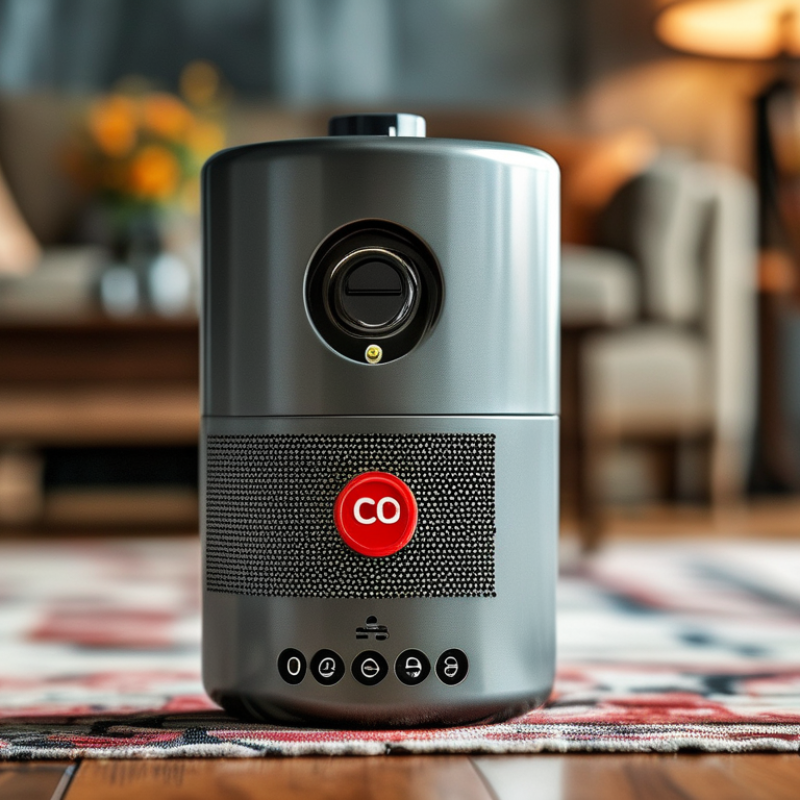
Understanding Carbon Monoxide: The Silent Threat to Your Safety
Carbon monoxide (CO) is an invisible, odorless gas produced by burning fossil fuels. It can come from furnaces, water heaters, or even a car left running in an enclosed space. This makes it particularly dangerous. Many people are unaware of the risks it poses. Without a functioning detector, you may not realize the threat until it’s too late.
Symptoms of carbon monoxide poisoning can mimic the flu. Headaches, dizziness, and fatigue are common signs. In severe cases, it can lead to unconsciousness or death. Awareness is crucial. Many individuals might think, “It won't happen to me.” But statistics show that CO poisoning is responsible for numerous hospitalizations each year. Investing in a reliable carbon monoxide detector ensures your home is safer.
Regular maintenance of heating systems is essential, yet often overlooked. A malfunctioning appliance can leak CO into your home. Neglecting routine inspections increases risks. It’s vital to check your detector’s battery frequently and replace it as needed.
Small actions can save lives. Always prioritize safety and stay informed about potential dangers in your environment.
What is a Carbon Monoxide Detector and How Does It Work?
A carbon monoxide detector is a crucial device for safety in many homes. This detector senses the presence of carbon monoxide (CO), a colorless and odorless gas. CO is produced by burning fuel. It can come from heaters, stoves, and vehicles. When the gas accumulates in an enclosed space, it can be deadly. The detector alerts you with loud beeping sounds when dangerous levels are detected.
Understanding how the carbon monoxide detector works is essential. Most detectors contain sensors that respond to CO in the air. When CO is present, these sensors trigger the alarm. The response time varies, but many detect low levels within minutes. It’s wise to regularly check the batteries and position of your detector. A poorly placed detector may miss dangerous gas.
**Tips:** Ensure your detector is installed near sleeping areas. This increases the chance of waking up if there’s a CO leak. Test the device monthly to guarantee it’s operational. If the alarm goes off, evacuate immediately. Remember, it’s better to be safe than sorry. Regular maintenance and strategic placement can save lives.
The Importance of Carbon Monoxide Detectors in Residential Settings
Carbon monoxide, often called the "silent killer," poses a serious threat in residential spaces. It's a colorless, odorless gas that can cause illness or death when inhaled in high concentrations. Home appliances like furnaces, water heaters, and stoves can produce this hazardous gas if they're not functioning properly. Regular maintenance of these appliances is crucial. Many homeowners forget this, thinking that everything is fine, but small malfunctions can lead to deadly CO buildup.
A carbon monoxide detector serves as a first line of defense. It actively monitors the levels of carbon monoxide in your home. When dangerous levels are detected, it sounds an alarm, alerting you to the potential danger. Placing these detectors near sleeping areas is essential. This way, if a leak occurs at night, the alarm can wake you up. It's a simple yet effective tool that can save lives, yet many households still lack proper detectors.
While installing detectors is important, testing them regularly is equally vital. People tend to overlook this part. A detector that isn’t properly maintained may not function when needed the most. Outdated and malfunctioning alarms can create a false sense of security. Awareness and proactive measures can prevent tragedies caused by carbon monoxide.
Signs of Carbon Monoxide Poisoning: Recognizing the Symptoms
Carbon monoxide (CO) poisoning is a silent threat. The symptoms can easily be overlooked. Common signs include headaches, dizziness, and nausea. These symptoms are often mistaken for the flu or food poisoning, which is alarming. According to the Centers for Disease Control and Prevention (CDC), over 20,000 emergency department visits are made each year in the U.S. due to CO exposure. Many of these cases occur in homes that lack proper detectors.
Awareness is crucial for preventing serious harm. Individuals might experience confusion or fatigue. Advanced symptoms can lead to loss of consciousness. It's important to pay attention during winter months or when using gas appliances. The National Institute for Occupational Safety and Health (NIOSH) notes that even low levels of CO exposure can have lasting effects, especially in vulnerable populations like infants and the elderly.
Not all homes have adequate ventilation. Many people do not realize that portable generators and gas heaters pose risks. Education about these dangers is essential. Installing a carbon monoxide detector can provide vital alerts before severe symptoms arise. Taking this simple precaution can save lives by allowing timely intervention.
Why You Need A Carbon Monoxide Detector For Your Safety?
| Symptoms of Carbon Monoxide Poisoning | Description |
| Headache | A common early symptom, often described as a dull ache. |
| Dizziness | Feeling lightheaded or unstable on your feet. |
| Nausea | Feeling sick to your stomach or having the urge to vomit. |
| Confusion | Difficulty thinking clearly or concentrating. |
| Fatigue | Feeling unusually tired or lethargic. |
| Shortness of Breath | Difficulty breathing or feeling winded. |
How to Properly Install and Maintain Your Carbon Monoxide Detector
Carbon monoxide (CO) is a colorless, odorless gas that can be lethal. Installing a carbon monoxide detector in your home is essential for your safety. Proper installation and maintenance are critical to ensure the device works effectively.
When installing your detector, choose a location near sleeping areas. Mount it on a wall or ceiling, at least five feet from the ground. Avoid placing it near windows, doors, or vents, where external air could interfere with readings. Test the device monthly to ensure it functions properly.
Regular maintenance is crucial. Replace batteries at least once a year. Clean the detector with a soft cloth to prevent dust buildup. Test alarms monthly, and replace the unit every five to seven years, depending on the model.
**Tips**: Remember, placing multiple detectors can enhance safety in larger homes. Be mindful of the location and make sure they are not obstructed. Safety inspections can help identify potential carbon monoxide sources, providing peace of mind for you and your family.