Projects

What Is an Electrical Plug Lockout and How Does It Work?

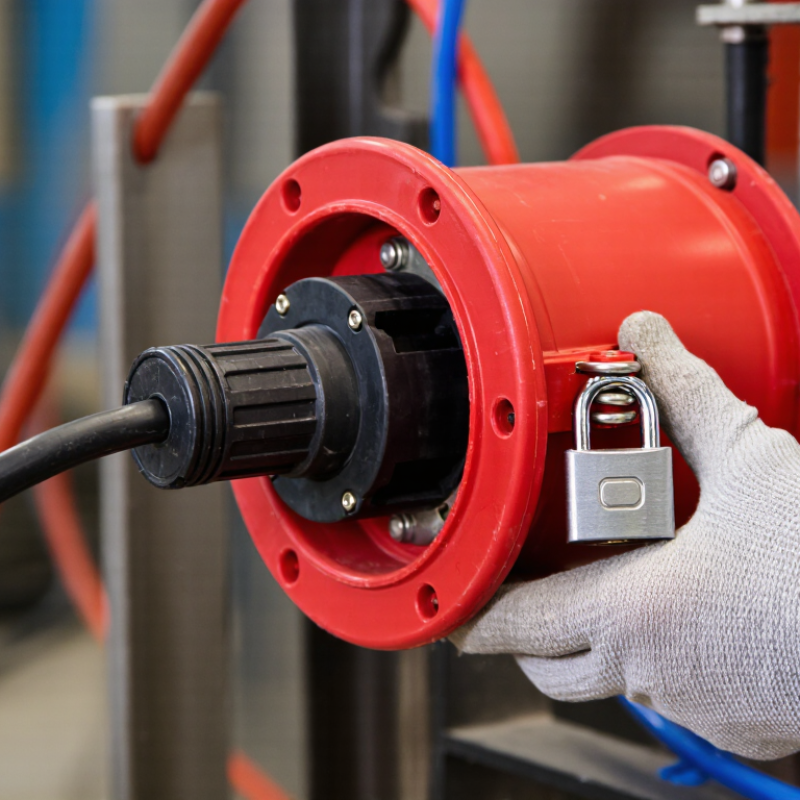
An Electrical Plug Lockout is a small device with an important job: it keeps a plug from being reconnected while equipment is being serviced. The lockout fits over or around the plug, then accepts a padlock. With the plug enclosed and secured, someone cannot simply push it back into a wall outlet or extension cord. The device’s size and shape vary, so the plug, cord, and lockout must be compatible.

“Lockout/tagout is about controlling hazardous energy before work begins.” This is a practical summary of OSHA’s energy-control guidance, not a quotation from a named individual. A reliable introduction should not assign invented words to an expert. OSHA’s standard on the control of hazardous energy explains the broader principle: equipment must be isolated and protected against unexpected energization during servicing.

In practice, a worker shuts down the equipment, disconnects its plug, places the plug inside the lockout, and applies a personal lock. A tag can identify who applied it and why. The worker then verifies that the equipment cannot start before beginning the task. That check matters. A plug lockout is not a universal fix, and it does not control every energy source, such as stored electrical energy or a separate power feed. Select a device that fits securely, follow the equipment’s energy-control procedure, and inspect the setup. The cover may look simple. The verification is not optional.

What Is an Electrical Plug Lockout and How Does It Work?

What an Electrical Plug Lockout Is

What Is an Electrical Plug Lockout and How Does It Work?

What an Electrical Plug Lockout Is

An electrical plug lockout is a protective enclosure for a disconnected power plug. It prevents the plug from entering an outlet during servicing or maintenance. The device usually surrounds the plug body and includes a hole for a padlock. Some designs also display a warning label near the lock point.

Its purpose is clear: control the plug, not merely warn people. Under OSHA 1910.147, cord-and-plug equipment may qualify for an exception when the plug remains under the employee’s exclusive control. A lockout provides stronger physical control when several workers share the area. A label alone is not enough.

The mechanism is simple. An authorized worker switches off the equipment, disconnects the plug, places it inside the lockout, and attaches a personal lock. The worker then tries the start control and verifies that no energy remains. Stored electrical energy can still exist in capacitors or connected equipment. That detail is easy to miss.

The U.S. Bureau of Labor Statistics recorded 145 fatal occupational injuries involving electricity exposure in 2022. This figure supports disciplined isolation, although a plug lockout cannot solve every electrical hazard. It does not isolate hardwired circuits or prevent energy from another source. A competent assessment is still necessary. In practice, workers sometimes rush verification. That habit deserves review.

What Is an Electrical Plug Lockout and How Does It Work?

An electrical plug lockout is a safety device that encloses an unplugged electrical plug and prevents it from being inserted into a power source. The chart shows the maximum nominal voltage associated with several common plug configurations that may require a suitably sized lockout device.

A plug lockout does not replace verification of zero energy. After disconnecting the plug, authorized personnel should secure it inside the lockout, apply a personal lock and identification tag, and verify that the equipment cannot operate. Voltage values are based on common North American plug configuration ratings; actual lockout compatibility depends on plug dimensions and the device manufacturer’s specifications.

Reference basis: ANSI/NEMA WD 6 plug and receptacle configuration ratings; OSHA 29 CFR 1910.147 lockout/tagout principles.

Common Types and Main Components of Plug Lockout Devices

What Is an Electrical Plug Lockout and How Does It Work?

An electrical plug lockout prevents a plug from entering a power source during maintenance. It covers the plug body and blocks access to the receptacle. Most devices use a rigid, nonconductive shell with a hinged or sliding closure. A padlock passes through reinforced locking holes. Some models also accept a group lock hasp. This allows several authorized workers to control one energy source. The device should fit tightly around the plug, cord entrance, and housing.

Common types include enclosed plug lockouts, adjustable cable lockouts, and universal outlet covers. Enclosed designs suit standard molded plugs and provide strong physical protection. Adjustable models use a flexible cable, clamp, or screw mechanism for unusual plug shapes. Universal covers can protect wall outlets, extension connections, or oversized configurations. Compatibility matters. A loose fit can leave enough space for accidental reconnection.

Key components include the lockout body, closure mechanism, cable channel, locking holes, and warning label. Many units include a durable tag for the worker’s name and service details. The label is easy to ignore. That is a mistake. In maintenance inspections, unclear identification often creates delays and confusion. Inspectors should check cracks, worn hinges, damaged labels, and blocked locking holes before use. The plug must be disconnected, verified as de-energized, and secured against reconnection. Some procedures feel repetitive. They still prevent dangerous assumptions.

How a Plug Lockout Prevents Electrical Reconnection

What Is an Electrical Plug Lockout and How Does It Work?

An electrical plug lockout prevents a disconnected plug from being reinserted during maintenance. The device encloses the plug and accepts a personal lock and warning tag. A worker first switches off the equipment, removes the plug, and places it inside the lockout housing. The locked enclosure blocks physical access to the outlet.

This simple barrier targets the most common reconnection mistake: someone restores power without knowing that work continues. OSHA’s FY 2023 Top 10 list recorded 2,554 lockout/tagout violations, ranking the hazard sixth among cited workplace safety issues. The figure shows why isolation must be visible, controlled, and verifiable. A tag alone warns people. A lockout creates a physical obstacle.

Verification still matters. A qualified worker should test the circuit with a properly rated instrument before touching conductors or removing guards. The test should confirm the expected zero-energy condition, not merely show that the plug is absent. Some equipment may have stored electrical energy, alternate feeds, or control circuits. A plug lockout cannot control those sources by itself. That limitation is easy to overlook.

In field practice, the lockout works best when each authorized worker applies a personal lock. The procedure should identify the equipment, isolation point, responsible worker, and release steps. Keep the plug visible. Keep the key controlled. Small gaps in these steps can defeat good hardware. That is the uncomfortable part. Safety depends on behavior, not the device alone.

Steps for Applying and Removing a Plug Lockout

An electrical plug lockout is a protective device that encloses a plug and prevents reconnection. It usually accepts a padlock and safety tag. The locked enclosure blocks access to the outlet or plug connection. It does not remove stored electrical energy by itself. A qualified worker must assess the equipment and its energy sources.

Applying the lockout begins with identifying the correct equipment and reviewing its shutdown procedure. Notify affected workers before switching the equipment off. Disconnect the plug from its outlet. Check for damaged cords, exposed conductors, or heat marks. Do not continue if the plug is unsafe. Place the disconnected plug inside the lockout device. Close the cover fully, then attach a personal lock and a clear tag. The tag should show the worker’s name, date, and reason for isolation. Try the normal start control. Nothing should operate. A qualified person should also verify zero voltage with a properly rated tester when the equipment design requires it. One detail is easy to miss: stored energy may remain in capacitors or connected systems.

Removing the lockout requires equal care. Inspect the equipment and remove tools, guards, and temporary materials. Confirm that every worker is outside the danger area. Each person should remove their own lock whenever possible. Notify affected workers before restoring power. Remove the plug lockout, reconnect the plug, and test the equipment under controlled conditions. If the process feels rushed, stop and review it. Small oversights can defeat a careful lockout.

What Is an Electrical Plug Lockout and How Does It Work? - Steps for Applying and Removing a Plug Lockout

Topic Practical Details Safety Check
What it is A plug lockout is a device that encloses or secures an electrical plug so it cannot be inserted into an outlet while equipment is being serviced or maintained. Choose a device designed for the plug’s shape and size, and follow its instructions.
How it works The plug is disconnected from its receptacle and placed inside the lockout device. The device is closed and secured with a personal lock, preventing access to the plug. A lockout device does not, by itself, prove that equipment is de-energized. Verify the equipment’s safe condition using the applicable procedure.
Before applying Identify the equipment and its energy sources. Notify affected employees, shut the equipment down using its normal controls, and disconnect the plug. Follow the site’s energy-control procedure and the equipment manufacturer’s instructions. Do not disconnect a plug under load unless the equipment is designed for it.
Step 1: Prepare Confirm that the correct plug and energy source have been identified, and that the lockout device is suitable and undamaged. Stop if the plug, cord, receptacle, or lockout device is damaged or the energy source is uncertain.
Step 2: Shut down and disconnect Use the normal stopping procedure, then unplug the equipment. Hold the plug—not the cord—when removing it from the receptacle. Keep clear of moving parts and other hazards during shutdown. Never pull the plug out by its cord.
Step 3: Secure the plug Place the unplugged plug fully inside the compatible plug lockout. Close the device and attach the authorized worker’s personal lock and identification tag. Check that the device is closed securely and the plug cannot be removed or reconnected while locked.
Step 4: Verify isolation Use the equipment’s established verification procedure before beginning work. Where appropriate, attempt a normal start after ensuring it is safe to do so, then return controls to the off position. Verification must be performed by a qualified person using the method required for the equipment and task. Do not rely only on a tag or indicator light.
During the work Keep the lockout in place for the duration of the work. Each authorized worker should apply their own lock when required by the site’s group lockout procedure. Do not bypass, borrow, or remove another person’s lock. Control other energy sources, such as stored electrical or mechanical energy, as required.
Step 5: Prepare for removal Complete the work, reinstall guards and protective devices, account for tools and materials, and make sure employees are clear of the equipment. Notify affected employees before restoring energy, in accordance with the applicable procedure.
Step 6: Remove the lockout Each worker removes their own personal lock and tag. Open the device and remove the plug only after the area and equipment are ready for restoration. Removal by someone other than the person who applied the lock should occur only under a documented procedure consistent with applicable requirements.
Step 7: Restore power Reconnect the plug, restore energy using the prescribed startup procedure, and confirm the equipment operates as intended. Keep people clear of hazards during restart and report any abnormal condition before returning equipment to service.
Important limitation Some workplace rules allow an unplugged cord-and-plug-connected machine to be serviced without a separate lockout device when the plug remains under the exclusive control of the employee performing the work. Requirements depend on the applicable regulations, workplace energy-control program, and task. Follow the stricter applicable procedure; do not assume this exception applies.

Reminder: Plug lockout is one part of an energy-control process. Follow applicable regulations, workplace procedures, and manufacturer instructions; use qualified personnel for electrical work.

Safety Checks and Device Selection Considerations

An electrical plug lockout prevents a plug from entering an energized socket during maintenance. It encloses the plug and accepts a safety lock, warning others not to reconnect power. This simple barrier matters. OSHA reports that uncontrolled hazardous energy causes about 50,000 injuries and 120 deaths each year in the United States. The U.S. Bureau of Labor Statistics recorded 145 workplace electrocutions in 2022.

Safety checks should begin before selecting any device. Identify every energy source, including backup supplies, capacitors, and nearby circuits. Switch off the equipment, unplug it, and verify zero voltage with a properly rated tester. Test the instrument on a known live source before and after testing. That small step is often missed. Do not rely on a control switch alone.

Device selection requires careful measurement. Check plug dimensions, cable diameter, voltage rating, and the available lock-hole size. The enclosure should resist cracking, tampering, and accidental removal. It must fit securely without crushing the cable. Consider temperature, dust, moisture, and restricted work areas. A universal-looking device may not fit every plug. That assumption deserves review. Select locks and tags that remain visible under poor lighting, and ensure authorized workers can apply them individually. OSHA’s lockout/tagout guidance also requires procedures, training, and periodic inspections, not just hardware. A lockout device is only effective when the energy-control process is understood, verified, and consistently followed.