Digital Best Practices for Custom Fabrication Processes?
In the world of custom fabrication, digital best practices are essential for success. Companies often struggle with inefficiencies and errors in their processes. This leads to delays and increased costs. Utilizing digital tools can streamline workflows and improve accuracy in custom fabrication projects.
By implementing advanced software, businesses can enhance collaboration across teams. Real-time updates allow for quicker decision-making. Yet, some firms resist these changes, fearing disruption. This reluctance can hinder growth.
Moreover, not all digital tools fit every custom fabrication process. Selecting the right technology requires careful consideration. Companies might overlook important factors, which can lead to problems later on. Understanding the unique needs of a project is crucial for effective integration of digital solutions. Embracing the digital transformation in custom fabrication can lead to significant improvements, but careful planning is essential.

Understanding Custom Fabrication: An Overview of Key Concepts
Custom fabrication refers to creating unique items tailored to specific needs. It involves a variety of processes such as cutting, welding, and assembling materials. Understanding the key concepts in custom fabrication is crucial for efficiency and quality. Each project requires careful planning, material selection, and precise execution.
Tip: Always start with a clear design. A well-drafted plan helps avoid potential mistakes during production. Define your requirements early to streamline the process.
Using digital tools can enhance fabrication processes. Software can aid in visualizing designs and managing workflows. However, reliance on technology can pose risks. A system malfunction could delay progress.
Tip: Maintain backups of all important files. This practice protects against data loss and prevents setbacks. Regularly review and update your processes to adapt to industry changes. This helps ensure you stay competitive while producing high-quality custom products.
Digital Best Practices for Custom Fabrication Processes
| Key Concept |
Description |
Best Practice |
| Material Selection |
Choosing the appropriate materials based on the application and environment. |
Conduct a material properties analysis. |
| Design Software |
Using CAD programs for precision in design. |
Select software that supports real-time collaboration and visualization. |
| Prototype Testing |
Creating prototypes to test designs before full-scale production. |
Implement iterative testing and feedback loops. |
| Supply Chain Management |
Coordinating materials and components effectively. |
Utilize digital tools for real-time tracking of inventory and suppliers. |
| Quality Control |
Ensuring products meet set quality standards. |
Implement automated inspection processes. |
Importance of Digital Tools in Enhancing Fabrication Accuracy
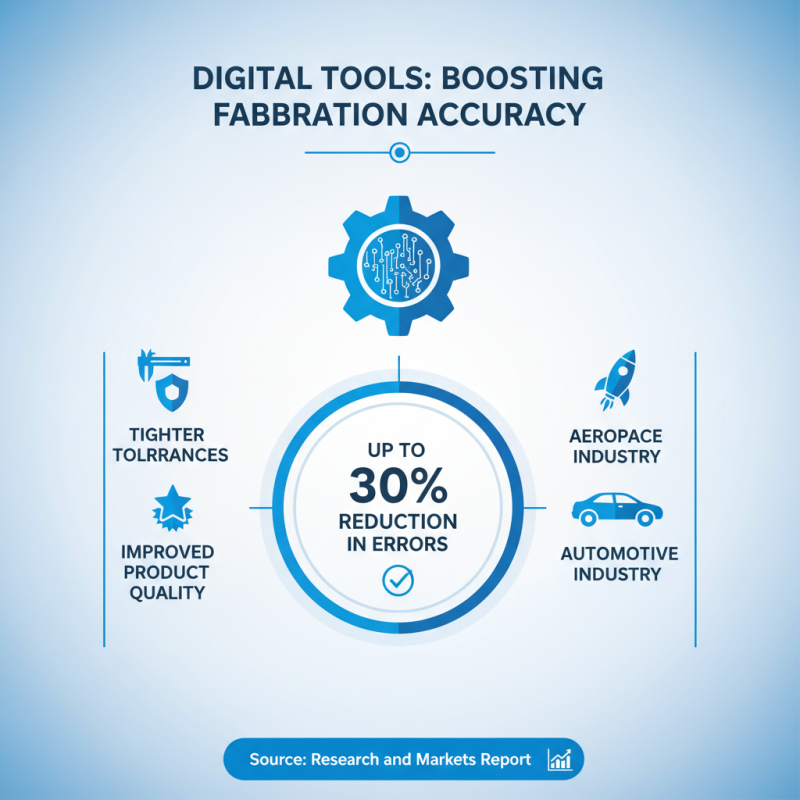
Digital tools play a vital role in enhancing fabrication accuracy. A recent report by Research and Markets highlights that digital technologies can reduce fabrication errors by up to 30%. This is significant in industries like aerospace and automotive, where precision is paramount. By incorporating digital systems, companies can achieve tighter tolerances and improve overall product quality.
Utilizing software for simulation and modeling allows designers to visualize their work before production. This foresight minimizes costly mistakes. For instance, using digital twins helps in predicting potential issues in real-time. However, reliance on these technologies can sometimes overlook hands-on skills. Training personnel to balance tech with traditional methods is essential.
Moreover, integration can be challenging. Not all teams adapt quickly to new tools. Resistance to change can slow down processes. Companies may face issues with data accuracy and management if not reviewed properly. Addressing these gaps is crucial for maintaining high standards in fabrication.
Steps for Integrating CAD Software into Fabrication Workflows
Integrating CAD software into fabrication workflows can be a game changer. Start by assessing your current processes. Identify bottlenecks and inefficiencies. Take the time to involve your team. Their insights can reveal gaps you might miss. This inclusion fosters a culture of collaboration and ownership.
Next, choose the right CAD tools for your needs. It's essential to ensure compatibility with existing equipment. Additionally, think about training. Not everyone will adapt to new software at the same pace. Plan for ongoing support to help your team navigate challenges. Regular check-ins can facilitate this process. Sometimes, you may need to rethink workflows altogether.
Implementing changes often reveals unexpected hurdles. Don’t shy away from setbacks. Instead, use them as learning opportunities. Sometimes, a small tweak in the process can yield significant improvements. Document these lessons. This information can serve as a valuable resource for future projects.
Digital Best Practices for Custom Fabrication Processes
This chart represents the integration steps of CAD software into fabrication workflows, highlighting the percentage of companies implementing each step based on a recent industry survey.
Implementing Automation Technologies in Custom Fabrication Processes
In custom fabrication, automation is transforming processes. Implementing advanced technologies can streamline production. However, teams must consider their specific needs. Not all automation solutions fit every situation. Too often, companies rush into large-scale implementations without clear planning.
Tips: Start small. Test automation in one area. Measure results before expanding. This approach builds confidence. It also reveals potential issues early on. Learning from mistakes is crucial.
Integrating robotics can improve efficiency. Yet, there’s a risk of overlooking employee training. Without proper guidance, staff may struggle with new technologies. The challenge lies in balancing automation with human expertise.
Tips: Involve your team in the transition. Seek their feedback and suggestions. This inclusion enhances acceptance and reduces resistance. After all, the best results come from collaboration.
Best Practices for Data Management and Collaboration in Fabrication Projects
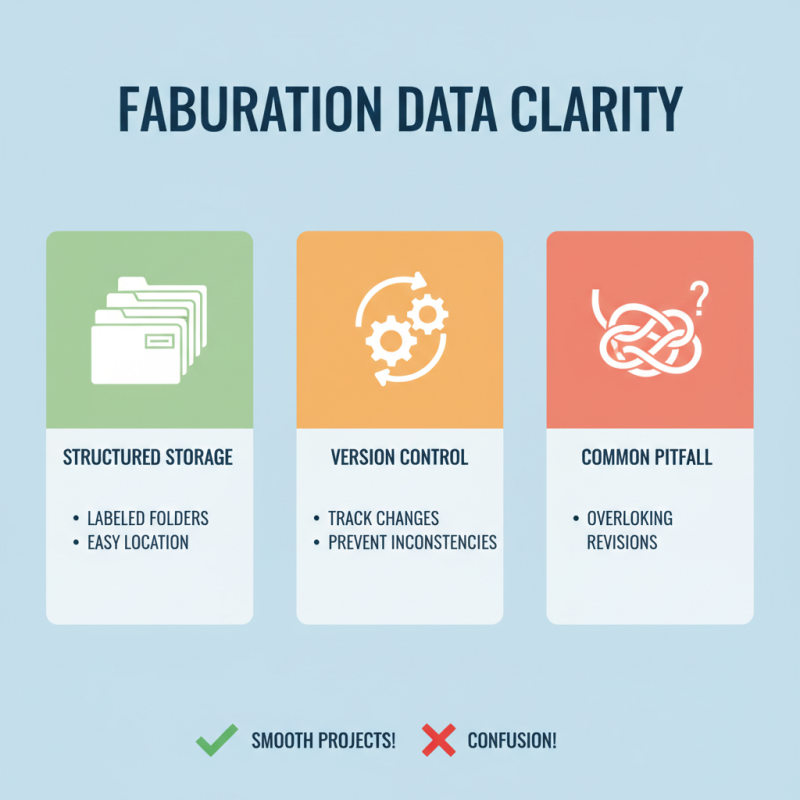
When managing data in fabrication projects, clarity is crucial. A well-defined structure for data storage helps prevent confusion. Organizing files into labeled folders allows team members to locate necessary documents quickly. However, it’s common to overlook the importance of version control. Failing to track changes can lead to inconsistencies in the project.
Collaboration among team members is vital. Tools for real-time communication enhance project flow. However, not everyone may be comfortable with new technologies. Training sessions can bridge this gap, but they require time and effort. It's essential to create an open environment where questions can be asked freely. Small misunderstandings can escalate, affecting the entire project.
Establishing regular check-ins can improve collaboration. These meetings provide a platform for sharing updates and addressing concerns. Yet, they can also become monotonous. It's important to keep discussions focused and engaging. Reflect on what works well and what doesn’t. Adapting to the team's needs creates a more cohesive working atmosphere.