How to Choose the Right VFD for Your Water Pump Needs?
Choosing the right VFD for your water pump is essential for optimal performance. A Variable Frequency Drive (VFD) for water pumps helps control speed and efficiency. Water pumps are integral to various applications, such as irrigation, municipal supply, and industrial processes. Selecting the right VFD ensures energy savings and prolongs equipment lifespan.
When considering a Vfd For Water Pump applications, factors such as load requirements, power ratings, and operational conditions come into play. An appropriate VFD can make a significant difference. However, many users overlook critical specifications, which can lead to inefficiencies. Understanding your specific needs is crucial.
Take the time to analyze your system’s demands. What works for one installation may not suit another. The relationship between pump performance and VFD selection is complex. Engaging with experts can enhance decision-making. Don’t forget to account for potential future changes to your system. Balancing your current needs with future versatility is key.
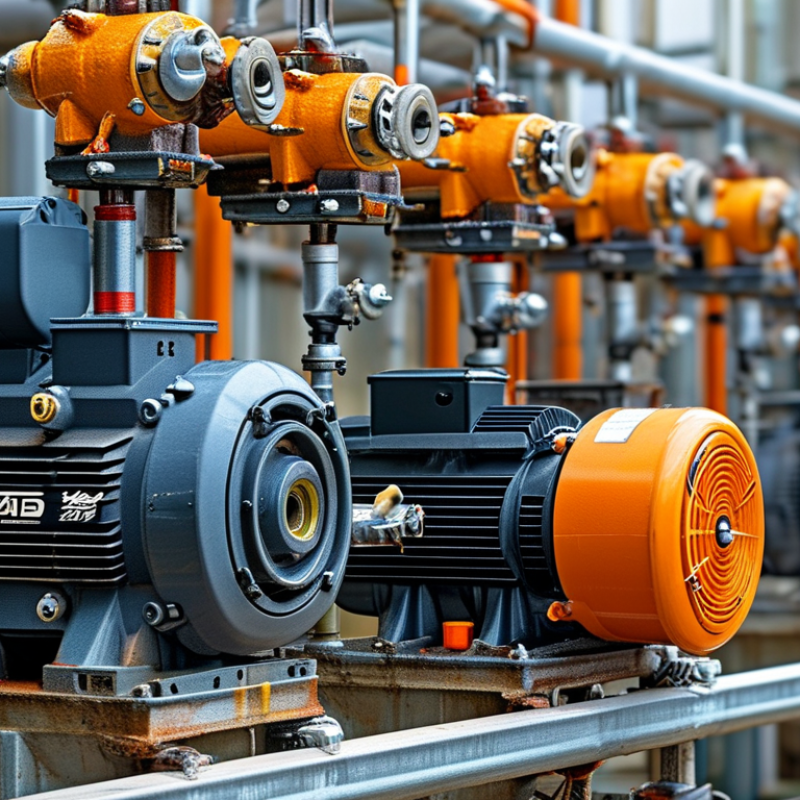
Understanding the Basics of Variable Frequency Drives (VFDs)
Variable Frequency Drives (VFDs) are crucial for optimizing the performance of water pumps. They work by adjusting the frequency and voltage of power supplied to the pump motor. This leads to better efficiency, reduced energy costs, and extended equipment life. Understanding these aspects is essential for making informed decisions.
When selecting a VFD, consider the motor's horsepower rating and pump specifications. An undersized VFD may struggle under load. Conversely, an oversized drive can be inefficient. Each pump system is unique. Factors such as flow rate and pressure requirements will influence the choice. It’s also important to account for environmental conditions, as some VFDs are better suited for harsh environments than others.
Not all VFDs are created equal. Some may lack advanced features like soft start capabilities or built-in protections. Evaluate what features are necessary for your specific application. In some cases, the initial cost of a VFD may overshadow its long-term benefits. Thus, reflection on energy savings and maintenance costs is essential. Balancing these factors will lead to an optimal choice for your pumping needs, ensuring reliable performance over time.
Evaluating Your Water Pump Specifications and Requirements
Choosing the right Variable Frequency Drive (VFD) for water pumps requires a thorough evaluation of pump specifications and requirements. Start by assessing the pump's horsepower and flow rate. These parameters determine the VFD capacity needed to drive the pump efficiently. A mismatch can lead to underperformance or potential damage.
Next, consider the operating environment. Factors like temperature, humidity, and potential exposure to water can influence your choice. Ensure the VFD is rated for your specific conditions. Additionally, think about how often the pump will run at varying speeds. Some setups require frequent adjustments while others operate at a constant rate.
Don't overlook communication needs. If your system is interconnected, the VFD must support relevant protocols. Skipping this step can create compatibility issues. Reflection on these details can save time and money down the line. Finally, consult documentation or professionals to validate your options. Periodic reassessment of these criteria will ensure your VFD continually meets your evolving needs.
How to Choose the Right VFD for Your Water Pump Needs?
| Specification | Requirement | Notes |
| Motor Type | Single-phase or Three-phase | Check compatibility with pump motor |
| Voltage Rating | 120V, 230V, 480V | Ensure VFD matches power supply |
| Power Rating | 1HP to 50HP | Select VFD based on pump HP |
| Control Method | V/f Control, Vector Control | Choose based on application requirement |
| IP Rating | IP20 to IP66 | Consider environmental protection needed |
| Communication Protocol | Modbus, CANopen, Profibus | For integration with automation systems |
| Cooling Method | Air-cooled or Liquid-cooled | Depends on installation conditions |
Identifying Key Features of VFDs Suitable for Water Pumps
Choosing the right Variable Frequency Drive (VFD) for water pumps is crucial. VFDs help manage motor speeds, improving efficiency. When selecting a VFD, consider its power rating; it must match the pump's requirements. Oversized VFDs can lead to unnecessary costs, while undersized ones risk failure.
Another important feature is the control options available. Some VFDs offer advanced controls, like PID loops for automatic adjustments. These can significantly enhance performance in variable flow conditions. Look for user-friendly interfaces as well. They simplify maintenance and operation, making it easier for the operators to handle the system.
Additionally, evaluate the type of input and output connections. Ensuring compatibility with existing systems is vital. Some VFDs may have robust protective features to prevent damage from electrical surges. While these features are great, they can also add complexity. Always consider the ease of troubleshooting. Not every VFD will fit perfectly; understanding these distinctions will guide you in making the best choice for your water pump needs.
Comparing Different VFD Brands and Models for Efficiency
When choosing a Variable Frequency Drive (VFD) for water pumps, efficiency is key. Different brands and models lead to variations in performance and energy consumption. It's essential to understand how these differences impact your specific applications. For instance, a highly efficient VFD can save significant energy, especially in large-scale operations. But, they may come with a higher upfront cost.
Some models focus on providing smoother control. This ensures that water pressure remains steady, minimizing wear on pumps. Others may feature advanced programming capabilities, allowing for tailored operation based on system needs. However, not every advanced model is suitable for all pump types. Misalignment can lead to inefficiencies, making careful consideration crucial.
Testing and field feedback provide insights into real-world performance. User reviews often highlight aspects like reliability and ease of integration. Yet, testimonials can vary widely. What works for one operation might not meet another’s requirements. It’s important to research extensively before making a decision to find the best fit for your water pump.
Installation and Maintenance Considerations for VFDs in Water Pumps
When installing Variable Frequency Drives (VFDs) for water pumps, proper planning is essential. First, ensure that the VFD is compatible with the pump's specifications. This includes checking voltage ratings and motor types. An ill-fitting VFD can lead to inefficiency or even equipment damage. It's also crucial to consider environmental conditions. For instance, moisture and dust can impact performance.
Regular maintenance of VFDs is vital. Dust accumulation can cause overheating. Check cooling fans and airflow paths routinely.
Additionally, software updates should not be overlooked. They can enhance functionality and provide better control options. Be aware that a lack of proactive maintenance may lead to unexpected failures.
Installations in harsh environments require extra care. Ensure that all electrical connections are secure and meet safety standards. Using shielding can protect VFDs from electrical noise. However, remember that overprotection can lead to overheating. Balancing accessibility and safety is key here. Regular checks and adjustments can help keep the system running smoothly.