How to Choose the Right Mobile Port Loading Hopper?
In today's logistics landscape, choosing the right Mobile Port Loading Hopper is crucial for efficient operations. Industry reports indicate that improperly selected equipment can lead to delays and increased costs. A study by the International Maritime Organization reveals that over 30% of port delays stem from equipment inefficiencies. This statistic underscores the need for careful evaluation.
When selecting a Mobile Port Loading Hopper, consider factors such as capacity, mobility, and material compatibility. Experts recommend assessing the hopper's design to ensure it meets specific cargo requirements. It's common to overlook how the hopper interacts with existing unloading systems. This oversight can lead to operational hiccups that affect overall efficiency.
Additionally, the market offers a variety of models, each with unique features. Not all hoppers are created equal; some may appear versatile but might struggle with certain materials. Reflecting on these details can enhance decision-making processes. Engaging with industry professionals for insights can provide practical knowledge, ensuring the chosen equipment aligns with operational goals.
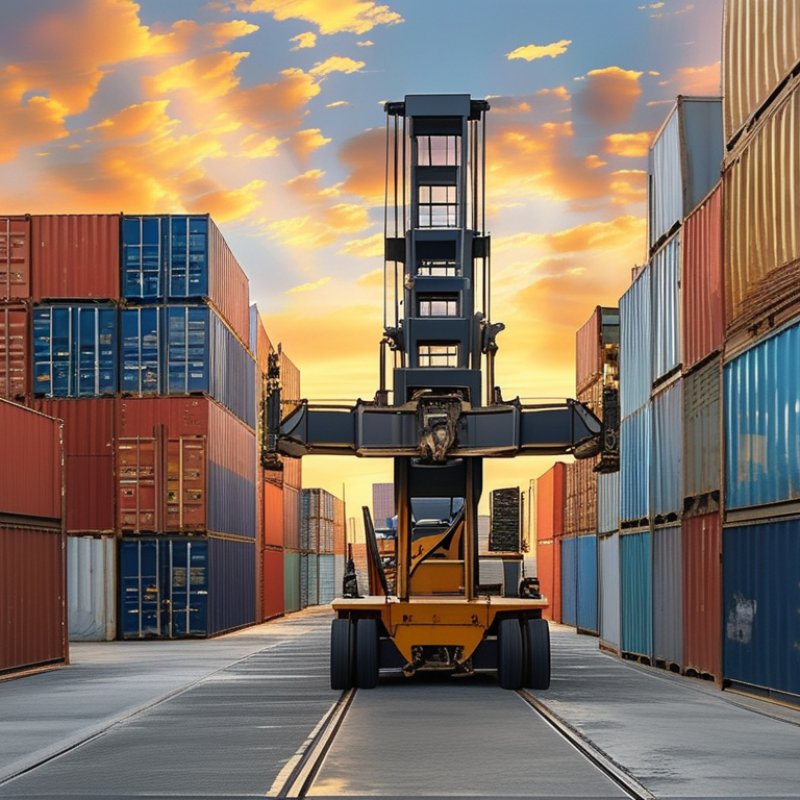
Understanding Mobile Port Loading Hoppers and Their Applications
Mobile port loading hoppers play a crucial role in the maritime industry. They are essential for efficiently transferring bulk materials between vehicles and ships. These hoppers can be used for various applications, including grains, fertilizers, and minerals. Understanding their design and functionality helps operators maximize performance and safety.
When selecting a mobile port loading hopper, consider the material type and capacity. This impacts the choice of materials used in construction. The environment also matters. For example, coastal areas face specific challenges like corrosion from saltwater. Additionally, the mobility of the hopper is vital for flexibility in loading operations.
Improper hopper selection can lead to inefficiencies. Downtime may occur if the hopper cannot handle the material or the environment. Operators should also evaluate maintenance requirements. A lack of maintenance can reduce a hopper’s lifespan and efficiency. Regular inspections can help prevent costly repairs and enhance safety. Understanding these factors is key to making informed decisions.
Key Factors Influencing the Selection of Mobile Port Loading Hoppers
When selecting a mobile port loading hopper, several key factors must be considered. The cargo type plays a significant role. Different materials, such as grains or aggregates, have unique handling needs. Assessing the material density and flowability is crucial for optimal performance. Some hoppers are designed for specific materials, which can impact efficiency.
Transportation capacity is another vital element. The hopper's capacity should match your logistics requirements. A larger capacity might seem beneficial, but it can lead to challenges in maneuverability. It's important to balance capacity with ease of handling. Weight distribution also matters. Uneven loads can affect safety during transport and operation.
Moreover, the design and construction quality should not be overlooked. Look for durable materials that can withstand harsh environments. Port operations are often exposed to corrosive substances and extreme weather. It’s essential to choose a hopper that ensures safety and reliability over time. Reflecting on past experiences can guide better choices. Evaluating different options based on real-world usage helps identify what works best for your specific needs.
Comparative Analysis of Capacity and Efficiency Ratings in Hoppers
When selecting a mobile port loading hopper, understanding capacity and efficiency is crucial. Hoppers are designed to facilitate the quick loading of bulk materials. Their capacity, often measured in cubic meters or tons, directly impacts loading speed. A hopper with a larger capacity can handle more material at once, reducing turnaround time. However, larger hoppers may also require more space, which can be a constraint in some environments.
Efficiency ratings often consider the design and technology of the hopper. A well-designed hopper ensures smooth material flow and minimizes blockages. Features like vibrators or oscillators can enhance this flow. Evaluating these aspects is vital; not all hoppers with high capacity are efficient. Sometimes, manufacturers may focus on size rather than functionality.
Not all hoppers are created equal, and features may vary. One hopper might excel in speed but struggle with certain materials. Others may work well with fewer interruptions but load slowly. Assessing your operational needs will lead to better choices. Users often need to reflect on their unique requirements and how different hoppers meet them.
Capacity and Efficiency Ratings of Mobile Port Loading Hoppers
Material Compatibility: Choosing Hoppers for Different Bulk Materials
Choosing the right mobile port loading hopper hinges on understanding material compatibility. Different bulk materials have unique properties that affect how they should be handled. For instance, granular materials like sand require hoppers with larger openings, while powders need hoppers designed for fine flow control.
Recent industry reports indicate that improper hopper selection can lead to material blocks, affecting loading efficiency by nearly 30%. This inefficiency not only causes delays but could also risk safety. Therefore, analyzing the bulk density and moisture content of the materials is crucial. Hoppers should accommodate these factors to ensure smooth operation.
Tips: Always match the hopper design with the specific material properties. Consider adjustable gates or aeration systems for lower-density materials. Regularly inspect hopper conditions to avoid unforeseen blockages and operational downtime. Even minor oversights in design or material pairing can lead to significant operational challenges.
How to Choose the Right Mobile Port Loading Hopper? - Material Compatibility: Choosing Hoppers for Different Bulk Materials
| Material Type | Density (kg/m³) | Flow Characteristics | Recommended Hopper Material | Special Considerations |
| Grains | 750 - 850 | Free-flowing | Stainless Steel | Moisture Absorption |
| Cement | 1200 - 1500 | Non-free-flowing | Carbon Steel with Coating | Dust Management |
| Coal | 800 - 1400 | Caking | Carbon Steel | Explosion Protection |
| Granular Fertilizers | 600 - 800 | Free-flowing | Stainless Steel | Corrosion Resistance |
| Wood Chips | 300 - 500 | Bulk Density | Plastic or Wood | Biodegradability |
Regulatory Standards and Safety Considerations for Loading Hoppers
When selecting a mobile port loading hopper, understanding regulatory standards is critical. These standards often dictate design features and safety measures. Compliance ensures not just functionality but also worker safety. A well-designed loading hopper should address potential hazards, such as spillage and dust emissions. It's essential to evaluate the materials used in construction to prevent rust and corrosion.
Safety considerations cannot be overlooked during the selection process. Features like emergency shut-off switches and overflow protection systems are vital. Operators must be trained in proper loading procedures to minimize risks. Even with regulations in place, human error can lead to accidents. Continuous training and assessments help reinforce safety practices, but problems may still arise.
Regular maintenance checks offer insights into the hopper's performance. Over time, wear and tear can compromise safety standards. Keeping a log of inspections ensures accountability. However, not all facilities adhere to maintenance schedules. Reflection on these practices can reveal vulnerabilities within your operations, prompting necessary adjustments. Addressing these gaps enhances overall safety and performance.