In the competitive world of steel beam fabrication, efficiency and precision are paramount. As John Smith, a leading expert in the field, once noted, “Success in steel beam fabrication requires attention to detail and a commitment to quality.” This insight reflects the core principles that drive successful fabrication processes today.
Steel beam fabrication involves a series of meticulous steps. The journey from raw material to final product is complex. Each stage, from cutting to welding, demands care and expertise. Even minor oversights can lead to significant issues. For instance, incorrect measurements can result in costly rework and delays.
Many fabrication shops face challenges in maintaining consistency. This inconsistency can arise from various factors, such as equipment reliability and workforce skill levels. By focusing on best practices in steel beam fabrication, companies can minimize errors and improve outcomes. They must continually assess their processes and adapt. It's essential to foster a culture of learning and reflection to thrive in this industry.
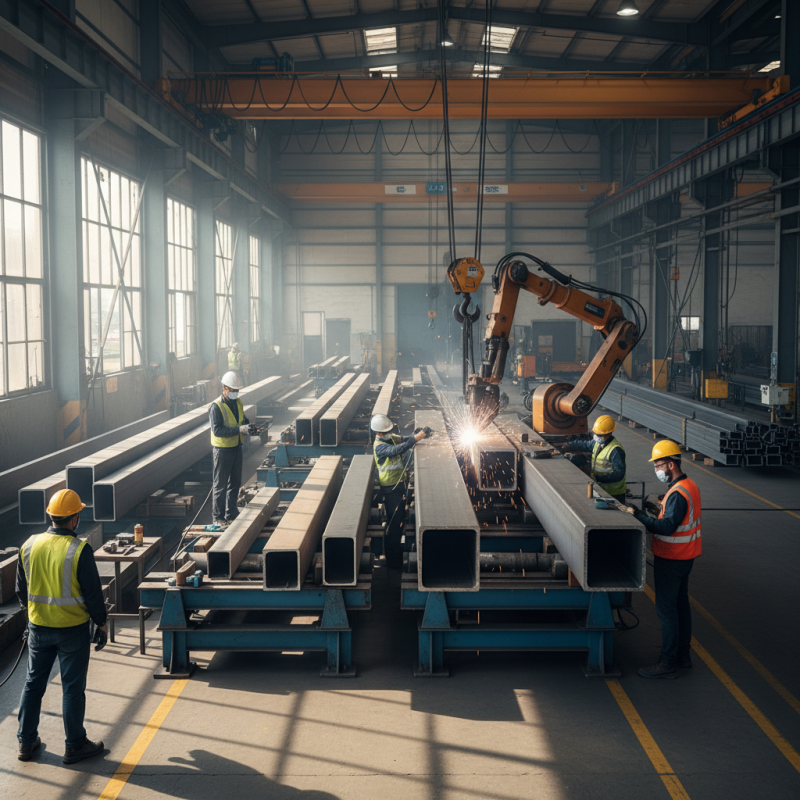
Steel beam fabrication involves several essential practices to ensure quality and safety. Accurate measurements are crucial in this process. A small error can lead to significant complications. Proper layout and planning can prevent costly mistakes. Fabricators should use reliable software for precise calculations. However, sometimes human error occurs despite careful checks.
Welding is another critical aspect of fabrication. It requires skill and attention to detail. Inadequate welding can weaken the structure. Regular inspections can catch flaws early. While protocols exist, sometimes they are overlooked. This neglect can compromise the integrity of the beam.
Material selection also plays a vital role in fabrication. High-quality steel ensures durability and performance. Sometimes, cheaper options may seem appealing but can lead to problems. It’s important to balance cost and quality. Even experienced fabricators may encounter unexpected challenges. Continuous training and knowledge-sharing can improve outcomes.
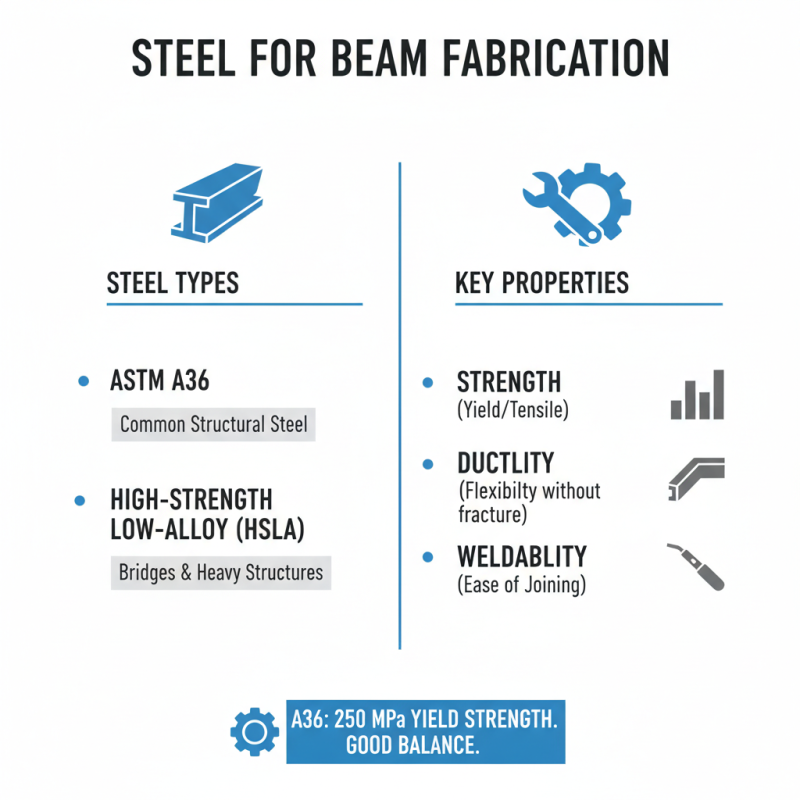
Understanding the types and properties of steel is crucial for effective beam fabrication. Different steel grades have various strengths, ductility, and weldability. For example, ASTM A36 is widely used in construction due to its good balance of strength and ductility. It possesses a yield strength of about 250 MPa, making it a reliable choice for structural applications.
On the other hand, higher-strength steels, like ASTM A572, offer enhanced performance. They feature yield strengths ranging from 345 MPa to 500 MPa. However, they can be more challenging to fabricate. Understanding the heat treatment processes is vital. Some steels require specific heat treatments to enhance their properties. Neglecting this can lead to brittle failures.
Additionally, the presence of alloying elements impacts the fabrication process. For instance, manganese improves hardenability, while carbon enhances strength. Yet, this can complicate welding. Each choice in steel type affects the end product significantly. Be mindful of the balance between strength and workability. An overly rigid selection may hinder fabrication efficiency and increase costs. Understanding these properties can guide better decisions in steel beam fabrication.
Precision in cutting and shaping steel beams is crucial in the fabrication process. A small error can lead to structural failures. This highlights the need for careful measurements and careful techniques. Employing advanced technology can help achieve accurate cuts. However, over-reliance on machines may overlook human errors. It's essential to strike a balance between technology and manual checks.
Tips for achieving precision include using high-quality tools. Dull blades can cause jagged edges. Always inspect your equipment before starting any job. Train your team to understand the intricacies of beam fabrication. They should be aware of the importance of each cut. A simple mistake can compromise the entire project.
Another tip involves double-checking all measurements. Taking a moment to verify can save time and resources. Encourage a culture of quality over speed. Rushed work often results in mistakes that could have been avoided. Foster an environment where team members feel comfortable speaking up about uncertainties. This can greatly enhance the overall quality of steel beam fabrication.
| Best Practice | Description | Key Benefits |
|---|---|---|
| Precise Measurements | Utilizing advanced measuring tools to ensure accurate specifications. | Reduces errors and material waste. |
| Quality Raw Materials | Selecting high-quality steel to ensure durability and strength. | Enhances the longevity of the beams. |
| Advanced Cutting Techniques | Employing CNC machines and laser cutting for precision. | Minimizes thermal distortion and improves edge quality. |
| Controlled Environment | Maintaining a constant temperature and humidity during fabrication. | Prevents material warping and ensures consistency. |
| Regular Equipment Maintenance | Routine checks and servicing of machinery used in fabrication. | Maintains precision and reduces downtime. |
| Training for Workers | Continuous education on best practices and new technologies. | Improves workforce skill and efficiency. |
| Implementation of Quality Control | Regular inspections and testing of finished products. | Ensures that standards and specifications are met. |
| Feedback Loop | Encouraging communication for improvements in the process. | Promotes continuous improvement and innovation. |
| Use of CAD Software | Designing beams using computer-aided design for accuracy. | Facilitates complex designs and reduces errors in fabrication. |
| Adherence to Standards | Following industry standards and regulations throughout fabrication. | Ensures safety and compliance in all projects. |
Quality control is essential in steel beam fabrication. Monitoring each phase of production helps ensure structural integrity. An effective quality control process identifies problems before they escalate. Regular inspections are crucial. They can catch defects early, saving time and costs.
Tip: Establish clear inspection criteria for every step. This includes evaluating raw materials, welds, and assemblies. Documenting each inspection creates a traceable record.
Fabrication processes often experience challenges. Variations in material properties can occur. Temperature changes might affect weld quality. Regularly reviewing techniques can improve results. Worker training is also vital. Adequately trained staff minimize errors.
Tip: Implement a feedback loop. Encourage workers to share their experiences. This helps identify recurring issues. Addressing problems early leads to better quality outcomes.
Remember, quality is not just a goal. It's an ongoing practice that requires attention and adaptability.
In steel fabrication environments, safety is paramount. Workers face numerous hazards, from heavy machinery to sharp edges. Implementing strict safety protocols can prevent accidents. Workers must wear appropriate personal protective equipment (PPE) at all times. Safety glasses, gloves, and steel-toed boots are essential. It is crucial to inspect PPE regularly for any signs of wear.
Tips: Encourage a buddy system. When workers pair up, they can watch out for each other. This practice promotes communication and increases accountability. Conduct regular safety drills. These drills keep workers prepared for emergencies and enhance their response times.
Maintaining a clean workspace is vital. Clutter can lead to accidents, so tools should be organized. Spills must be cleaned immediately to prevent slips. Regular training and updates on safety measures can also lead to a more aware workforce. Reinforcement of safety protocols should occur frequently, as complacency can be a silent risk.