Top 10 Benefits of Custom Aluminum Fabrication for Global Buyers
Custom aluminum fabrication offers significant advantages for global buyers seeking tailored solutions. This process allows for the creation of precise components, making it essential in various industries such as aerospace, automotive, and construction. With its lightweight nature and corrosion resistance, aluminum is a preferred material. Engaging in custom aluminum fabrication empowers businesses to optimize product design and enhance functionality.
The benefits of custom aluminum fabrication are numerous. This method supports innovation by allowing for unique designs that meet specific requirements. Moreover, it can lead to cost-effective production by minimizing material waste. These factors contribute to the reliability and efficiency of supply chains. Buyers should also consider the expertise of aluminum fabricators, as their skills directly influence project outcomes.
While the advantages are clear, not every project will achieve the desired results. It's crucial for buyers to evaluate their choices carefully. Understanding the fabrication process can help mitigate risks. Effective communication with fabricators ensures alignment on expectations. This collaboration can ultimately unlock the full potential of custom aluminum fabrication.
Advantages of Custom Aluminum Fabrication Over Standard Solutions
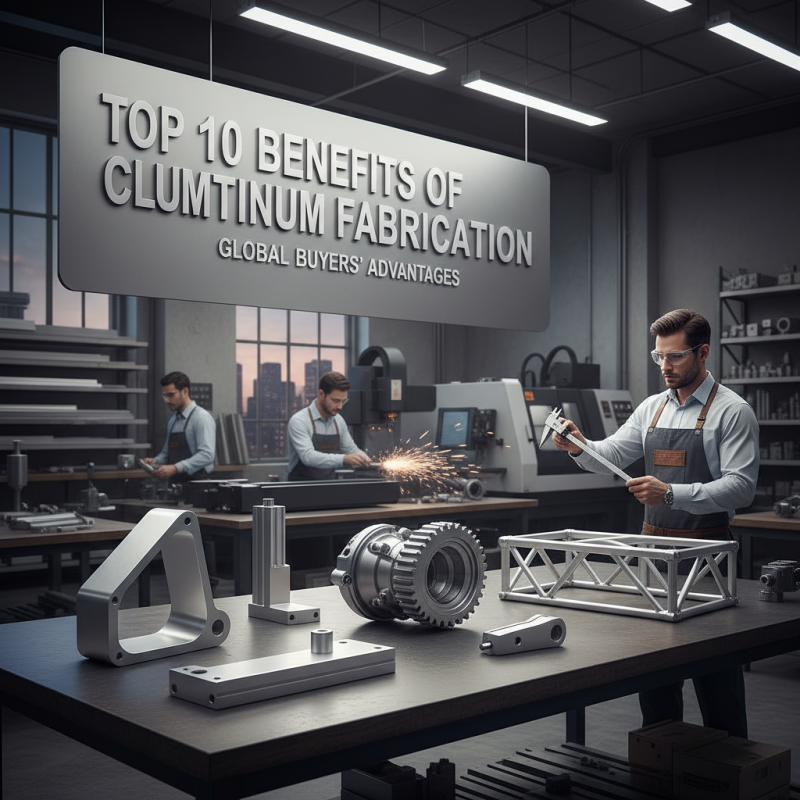
Custom aluminum fabrication offers distinct advantages over standard solutions. One notable benefit is precision. According to research by the Aluminum Association, accurate customization can improve product performance by up to 30%. This precision ensures that components fit perfectly in specific applications, reducing waste and saving time.
Another benefit is versatility. Custom solutions can adapt to various industries, from aerospace to automotive. This adaptability often results in lower production costs. A study by Deloitte indicates that tailored solutions can cut material costs by roughly 15%. These savings arise from the efficient use of resources, unlike standard options that may lead to excess material or inadequate designs.
However, there are challenges in the custom fabrication process. The complexity of creating unique designs may lead to longer lead times. Buyers must carefully weigh the advantages against potential delays. Communication between buyers and fabricators is crucial to ensure expectations are met. Recognizing these nuances allows for better decision-making in choosing between custom and standard options.
Enhanced Design Flexibility for Unique Project Requirements
Custom aluminum fabrication offers unmatched design flexibility, making it ideal for unique project requirements. This process allows engineers and designers to create components tailored precisely to their specifications. Traditional materials often limit design choices, while aluminum enables a wide array of shapes, sizes, and functionalities.
For instance, intricate designs can be achieved with ease. Custom fabrication allows for the incorporation of special features like weight reduction and improved structural integrity. Buyers can request elements that align closely with their project needs, reducing the need for compromises. However, there's always a consideration for the balance between innovation and practicality. Complex designs can inflate costs and extend production times.
Moreover, custom aluminum projects require close collaboration with skilled professionals. Experience and expertise play a crucial role in transforming ideas into practical solutions. Buyers must ensure they work with reliable fabricators who understand their vision. Effective communication is essential, but there's always room for misinterpretation. Fostering a dynamic dialogue can help mitigate potential issues, ultimately leading to successful outcomes.
Top 10 Benefits of Custom Aluminum Fabrication
This chart illustrates the top 10 benefits of custom aluminum fabrication, showcasing their importance in various project requirements. Each benefit is rated on a scale from 1 to 10 based on its significance for global buyers.
Cost-Effectiveness Through Efficient Production Techniques
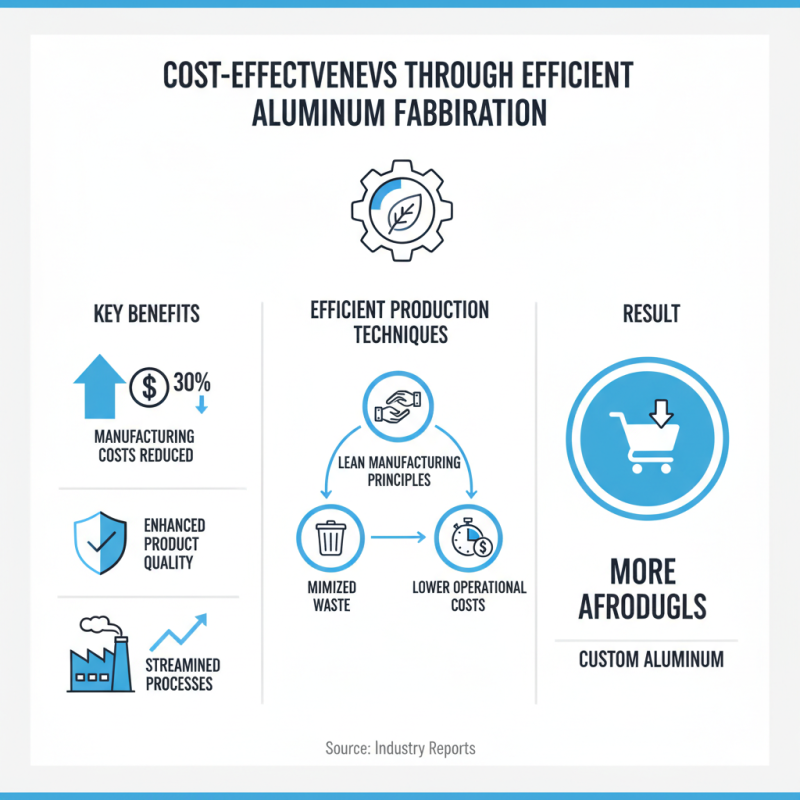
Custom aluminum fabrication offers significant cost-effectiveness, particularly through efficient production techniques. Reports indicate that companies can reduce manufacturing costs by up to 30% when leveraging advanced fabrication methods. By utilizing lean manufacturing principles, firms streamline processes, minimize waste, and reduce operational costs. This approach not only lowers prices but also enhances product quality.
Tips: Evaluate production techniques regularly. Look for tools that optimize aluminum usage and minimize scrap. For example, using precision cutting can save materials and costs.
Moreover, with innovations in automation, custom aluminum fabrication becomes faster and cheaper. Automated systems can produce intricate designs without compromising quality. This progress leads to shorter lead times. A Deloitte study highlights that automation can accelerate production by 20%. However, transitioning to automated processes can be complex and requires careful planning.
Tips: Assess the skillset of your workforce when considering automation. Upskilling employees will reduce operational hiccups. Invest in training programs to ensure efficiency.
High Durability and Longevity of Custom Aluminum Products
Custom aluminum fabrication offers exceptional durability and longevity, making it an ideal choice for various global applications. Aluminum is known for its resistance to corrosion and wear, ensuring that products last longer in harsh conditions. This high durability means less frequent replacements and reduced long-term costs. Many buyers appreciate how aluminum maintains its integrity over time in demanding environments.
When considering custom aluminum products, think about your specific needs. Identify what qualities matter most for your projects. For instance, a lightweight aluminum structure can be vital in applications like aerospace. Adding features, such as powder coating, can enhance durability further. This added layer protects against scratches and environmental damage.
Pay attention to manufacturing processes as well. Precision in fabrication ensures that each product meets stringent quality standards. Working with reputable fabricators can help you achieve the best results. This relationship can lead to the development of more innovative solutions tailored for your requirements. Ultimately, investing in custom aluminum fabrication means prioritizing durability and strength, which pays off in the long run.
Sustainability Benefits of Utilizing Aluminum in Manufacturing Processes
Aluminum is gaining traction in manufacturing due to its sustainability benefits. This lightweight metal is highly recyclable, reducing the environmental impact of production. In fact, recycling aluminum saves up to 95% of the energy required to produce new aluminum. This is a significant advantage for global buyers focused on eco-friendly solutions.
Using recycled aluminum in fabrication lowers carbon emissions significantly. It reduces the need for raw material extraction, which can be harmful to ecosystems. Many companies are now opting for aluminum due to its ability to minimize waste. However, challenges still exist in the recycling process, such as contamination and quality control.
Selecting aluminum also ensures durability and longevity. Products made from aluminum can last decades with minimal wear. While there are concerns about the energy-intensive processes involved in new aluminum production, the overall benefits of recycling far outweigh these. Recognizing this, buyers are increasingly drawn to sustainable practices without compromising quality.
Top 10 Benefits of Custom Aluminum Fabrication for Global Buyers - Sustainability Benefits of Utilizing Aluminum in Manufacturing Processes
| Benefit |
Description |
Sustainability Impact |
| Lightweight |
Aluminum is significantly lighter than many other metals, reducing transportation emissions. |
Lower fuel consumption and reduced CO2 emissions. |
| Recyclability |
Aluminum can be recycled multiple times without loss of quality. |
Reduced waste and minimized resource extraction. |
| Durability |
Resistant to corrosion and weathering, extending product lifespan. |
Less frequent replacements lead to lower overall waste. |
| Energy Efficiency |
Lower energy consumption in production and processing compared to steel. |
Decreased greenhouse gas emissions in manufacturing. |
| Versatility |
Suitable for a wide range of applications and industries. |
Supports sustainable practices across diverse sectors. |
| Cost-Effectiveness |
Lower lifecycle costs due to durability and recyclability. |
Encourages investment in sustainable solutions. |
| Aesthetic Appeal |
Natural finish and ease of surface treatment options. |
Reduced need for additional materials and coatings. |
| Non-Toxic |
Safe for use in food and medical applications. |
Minimizes health and environmental risks. |
| Thermal Conductivity |
Excellent heat dissipation properties for energy efficiency. |
Supports energy-saving technologies. |
| Reduced Carbon Footprint |
Lower emissions throughout the product lifecycle. |
Supports global sustainability goals. |