How to Achieve Low Cost Sheet Metal Fabrication for Your Projects?
Achieving low cost sheet metal fabrication can be a game changer for many projects. This approach allows businesses to remain competitive in today’s demanding market. Understanding the cost factors in metal fabrication is essential for any project manager.
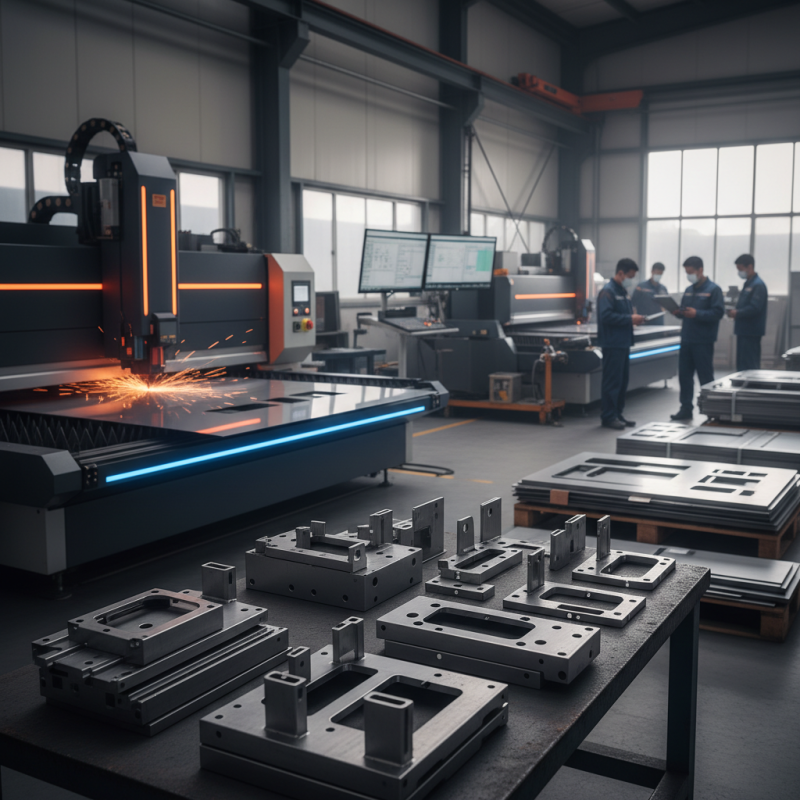
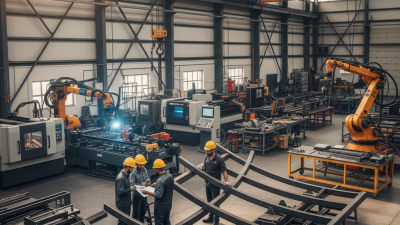
Using advanced techniques in metalworking can lower expenses significantly. For example, utilizing laser cutting technology often reacts positively on budgets. However, careful planning is crucial. Overlooking details can lead to wasted resources and increased costs.
In a world where efficiency matters, low cost sheet metal fabrication becomes critical. Yet, some may find it challenging to balance quality with cost. Learning from past mistakes can provide valuable insights. Continuous evaluation of processes ensures better outcomes for future projects.
Understanding the Basics of Low-Cost Sheet Metal Fabrication
Low-cost sheet metal fabrication can be an effective solution for various projects. Understanding its basics is essential. The key is to select the right materials. For smaller projects, aluminum or thin steel can be budget-friendly options. These materials are not only lightweight but also easier to work with. However, durability may be a concern. It's a trade-off between cost and longevity.
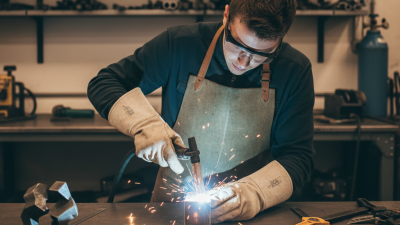
Choosing the right techniques also plays a crucial role. Laser cutting and CNC machining are popular methods. They provide accuracy and precision, yet they often come with higher costs. Sometimes, manual techniques like shearing can be more economical. However, the finish might not be perfect. Each method has its advantages and disadvantages. It’s critical to evaluate them based on your specific needs.
A common challenge is sourcing. Finding reliable suppliers can be tough. Quality can vary widely. Sometimes, cheaper materials can lead to delays. Make sure you communicate your expectations clearly. Reflecting on past projects is valuable. What worked? What didn’t? This can illuminate the path to successful low-cost fabrication. Be ready for a learning curve.
Identifying Cost-Effective Materials for Sheet Metal Projects
When considering low-cost sheet metal fabrication, the choice of materials plays a crucial role. Commonly used materials include aluminum, stainless steel, and carbon steel. Each has its unique advantages. For instance, aluminum is lightweight and resistant to corrosion, making it ideal for certain projects. However, it can be more expensive compared to other options. It's essential to weigh the benefits and costs carefully.
Stainless steel offers durability and strength. It works well for applications needing resistance to rust and high temperatures. However, its price point can be a concern for budget-conscious projects. Carbon steel, on the other hand, is often the most economical choice. It may require additional coatings or treatments to prevent rust, which adds to the overall cost. Understanding these aspects is vital for your project.
Think about the end-use of your fabricated parts. Sometimes, a cheaper material may result in higher long-term costs if it doesn’t perform well. Researching alternative sources for materials can also lead to significant savings. Always keep in mind that the cheapest option is not always the best option. Balancing cost with quality is key to achieving success in sheet metal projects.
How to Achieve Low Cost Sheet Metal Fabrication for Your Projects?
| Material Type |
Cost per Square Foot ($) |
Weight (lbs/sq ft) |
Common Applications |
| Steel |
$2.00 |
2.5 |
Structural frames, automotive parts |
| Aluminum |
$3.50 |
1.5 |
Aerospace parts, consumer electronics |
| Copper |
$4.00 |
2.0 |
Electrical applications, plumbing |
| Stainless Steel |
$5.00 |
2.0 |
Kitchen appliances, medical instruments |
| Galvanized Steel |
$2.50 |
2.7 |
Outdoor furniture, roofs |
Exploring Efficient Design Strategies to Minimize Fabrication Costs
When aiming for low-cost sheet metal fabrication, design strategies play a crucial role. A well-thought-out design can significantly cut costs.
Using standard sizes for your components can minimize waste. This approach reduces the amount of leftover material, saving you money and resources. Additionally, designing for easy assembly can lower labor costs. Fewer parts mean less assembly time and lower chances of errors.
Another effective method is optimizing the thickness of the material. Thinner sheets can reduce costs, but it’s important to ensure they still meet structural requirements. A balance is needed here. Overly thin materials might compromise strength. Furthermore, simplifying intricate designs can help keep fabrication costs down. Complex shapes require more time and resources to produce, which can inflate your budget.
Designing with manufacturing in mind can lead to significant savings. Your design should be easy to convert into a product. Don’t overlook the importance of reviewing prototypes. Getting feedback from the production team can highlight design flaws. It's essential to remain adaptable and open to adjustments. The iterative process in design is often where savings can be discovered.
Utilizing Advanced Techniques and Tools for Budget-Friendly Fabrication
Achieving low-cost sheet metal fabrication requires innovative techniques and tools. Advanced tools like laser cutting and CNC machining have revolutionized the industry. A report by SmarTech Analysis noted that laser cutting increased efficiency by over 40% compared to older methods. This reduction in labor and material waste significantly lowers costs.
Automation presents another opportunity. Automated processes can improve precision while minimizing errors. The International Federation of Robotics stated that implementing robotic systems can reduce production costs by up to 30%. However, investing in automation can be daunting for smaller projects. It's crucial to evaluate the balance between initial costs and long-term savings.
Beyond technology, there's a need for skilled labor. Finding workers who can operate advanced machinery is a challenge. A lack of training can lead to costly mistakes, undermining the cost-saving strategies. Regular training sessions can help bridge this gap. Internal workshops might not always yield the perfect results. Yet, fostering a culture of continuous learning is essential for long-term success.
Cost Comparison of Various Sheet Metal Fabrication Techniques